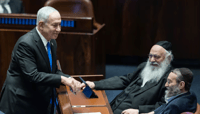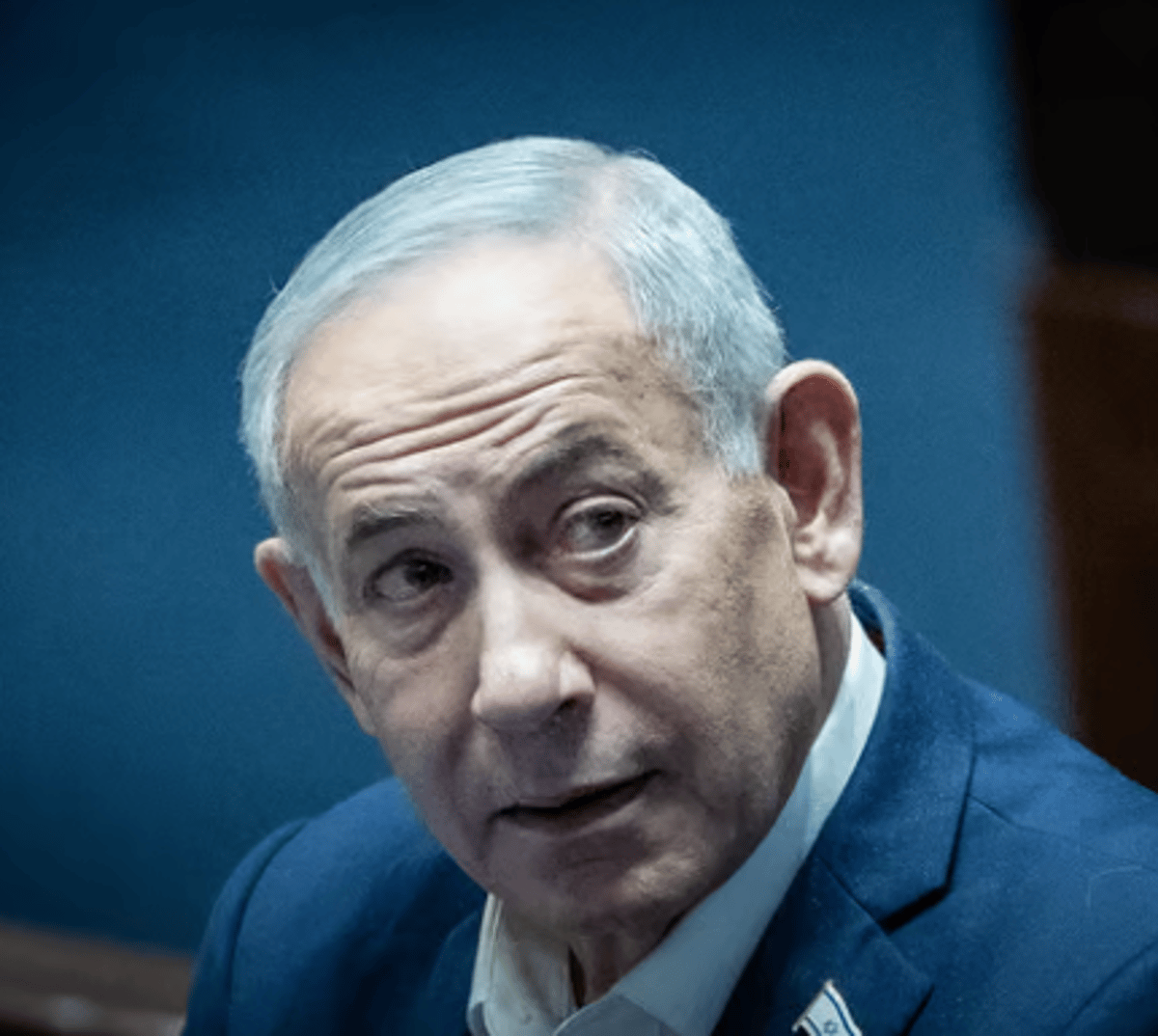
Senior Likud officials have revealed that Prime Minister Benjamin Netanyahu is planning to publicly distance himself from Israel's Haredi parties as the election campaign intensifies, according to reports Sunday.
"As we approach the elections and begin the campaign, Netanyahu is planning to deepen the separation from the Haredim and try to publicly distance himself from them," one senior Likud figure disclosed. The strategy reflects Netanyahu's attempt to maintain support among centrist and secular voters while preventing a complete rupture with the coalition's religious partners.
The approach carries significant political risk. A second senior Likud official cautioned: "He will be forced to walk a thin line in order not to directly attack the Haredim and damage the bloc."
The reported strategy comes at an exceptionally sensitive moment. Last week, Degel HaTorah leader Rabbi Dov Lando issued a sharp rebuke of Netanyahu's trustworthiness. In handwritten remarks, Lando wrote: "We have no confidence in the Prime Minister, we do not feel like his partners anymore, we are not committed to him. All kinds of talk about a 'bloc' no longer exists."
The tensions center on the draft issue. Netanyahu publicly condemned "die and do not be drafted" slogans at anti-draft protests, calling them a "terrible and horrific verdict," while his government simultaneously advanced legislation against Haredi conscription and in favor of draft evaders. Netanyahu was absent from the vote on legislation to freeze arrest of Haredi draft evaders, which passed 58 to 54 despite opposition from the IDF Chief of Staff and the Knesset legal advisor.
Last week, government spokesman Yosef Fox accused Lando of blocking the conscription law entirely, a claim Degel HaTorah disputes. According to Haredi media, it was Netanyahu himself who called Knesset member Uri Maklev and acknowledged he lacked a majority for the draft law.
The Haredi parties have withheld the unconditional loyalty declaration that Netanyahu wanted. Political analysis suggests Netanyahu sought to extract a clear political insurance policy from the Haredi factions, an unambiguous statement that they would support him at any cost. Instead, the opposition may now hold the advantage.
Netanyahu's distancing strategy appears aimed at repositioning him as a centrist alternative ahead of elections, allowing him to appeal to voters alienated by the current coalition's religious legislation while maintaining enough Haredi support to form a government if needed.