Pakistan has asked the United States for a $10 billion exchange stabilization facility, a request that comes shortly after Islamabad played a central role in brokering talks between Washington and Tehran, according to people familiar with the matter.
The proposed bilateral arrangement, reported for the first time Tuesday, would provide a potential lifeline to Pakistan’s cash-strapped economy by bolstering foreign reserves, easing pressure on the rupee and reducing reliance on International Monetary Fund support. If approved, the facility could have a maturity of up to five years, according to a source briefed on the discussions.
The request was made to Treasury Secretary Scott Bessent, the source said. Pakistan’s Finance Ministry did not immediately respond to a request for comment, and the U.S. Treasury declined to comment.
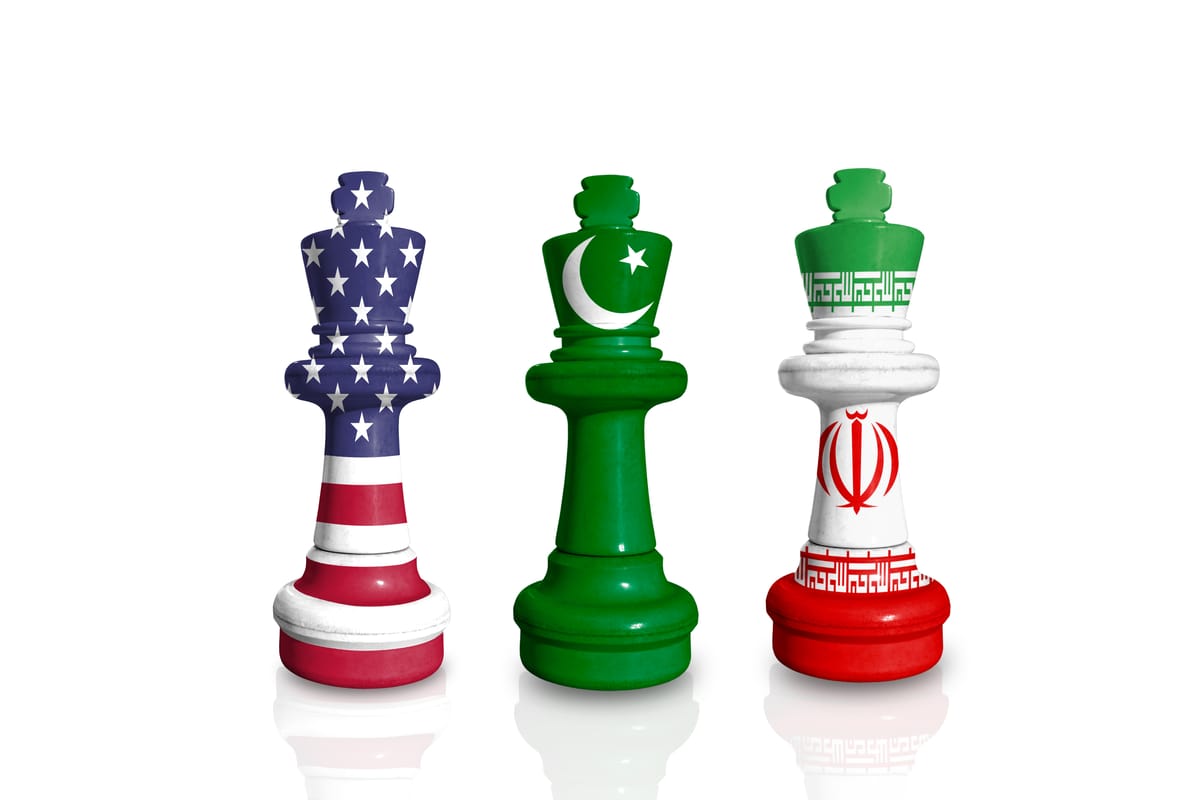
The move underscores how Pakistan is attempting to translate its recent diplomatic gains into economic relief. Islamabad served as a key mediator in U.S.-Iran negotiations that helped produce the Islamabad Memorandum of Understanding and subsequent talks, raising its profile in Washington at a time when its economy remains vulnerable to regional shocks.
Finance Minister Muhammad Aurangzeb met with Bessent in Washington on Tuesday and highlighted the Pakistani economy’s exposure to geopolitical developments in the region, according to a ministry statement. The statement did not mention the specific funding request but noted that Aurangzeb sought greater U.S. support for improved access to capital markets, higher reserves and better sovereign credit ratings. Both sides reaffirmed commitments to deeper economic cooperation and U.S. investment, it said.
Pakistan has faced chronic economic challenges, narrowly averting default in 2023 with a $3 billion IMF standby arrangement. Disruptions tied to the recent Iran conflict, including issues around the Strait of Hormuz, inflicted significant costs on its economy.
Officials in Islamabad have framed the funding request as part of broader efforts to strengthen ties with the United States rather than direct compensation for its mediation efforts. Still, the timing reflects Pakistan’s hope that its elevated diplomatic standing, as a bridge between Washington and Tehran, could yield tangible economic benefits.
The development comes as Pakistan continues implementing fiscal and monetary tightening under its current IMF program. Any U.S. facility would represent a rare direct bilateral backstop from Washington, which has historically provided such support sparingly to select partners.