The Israeli Civil Administration issued a correction Wednesday after initially mischaracterizing an incident in which Palestinian Authority police detained, beat, and disarmed an Israeli reserve soldier in Area C of the West Bank. The authority's first statement had echoed the PA narrative that officers were conducting a rescue operation, a claim contradicted by the soldier's account and later confirmed to be false.
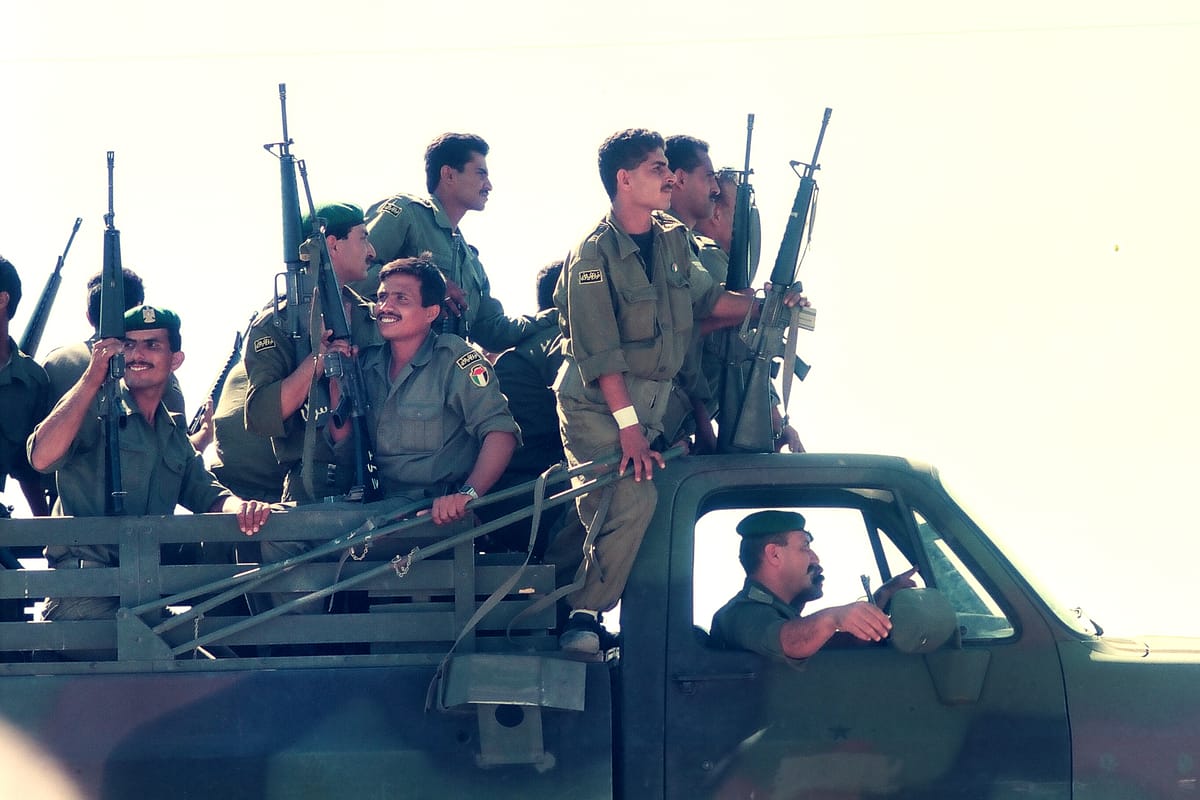
The incident occurred Tuesday night on the Beitunia bypass road in western Binyamin when Palestinian Authority police operating illegally in Area C (which falls under exclusive Israeli jurisdiction under the Oslo Accords) set up a roadblock. When the reservist, who was armed and traveling toward Route 443, approached the checkpoint, PA officers surrounded his vehicle, pepper-sprayed him in the face, beat him, and forcibly took his weapon before handcuffing him and driving him into Area A near Ramallah.
The soldier was held for approximately an hour before being transferred to IDF forces on the outskirts of Ramallah.
Initial Civil Administration Mischaracterization
The Civil Administration's first statement linked the incident to two other overnight events in which Israelis had entered Palestinian-controlled areas in Jericho and Bethlehem and required assistance. The framing suggested the reservist had traveled into a dangerous Palestinian-controlled zone, implying he bore responsibility for his detention.
The statement effectively validated the Palestinian Authority's account, that officers had rescued an Israeli who had strayed into their territory.
That characterization was incorrect. The soldier had not entered Area A. He was stopped in Area C, where the PA police had no legal authority to operate. The Civil Administration subsequently issued a correction.
Criticism of Initial Response
The Binyamin Regional Council, which represents Israeli settlements in the area, sharply criticized the Civil Administration's initial statement for misdirecting blame.
"The council strongly protests the Civil Administration's announcement, which chose to point an accusing finger at the resident by claiming he traveled in a dangerous area, instead of treating with severity the prohibited activity of Palestinian Authority police in Area C," the council said.
Israel Ganz, head of the Binyamin Regional Council and chairman of the Yesha Council, said the incident demonstrated the deterioration of arrangements established under the Oslo Accords. "It is unacceptable that Mahmoud Abbas' police operate contrary to the agreements in Area C, detain a reserve soldier and take his weapon," he said.
The Soldier's Account
According to Chaim Bleicher, the reservist's attorney at Honenu legal-aid organization, the soldier was approached by what he initially believed to be Israeli police. When PA officers identified themselves, they demanded his weapon. When he refused, they pepper-sprayed and beat him.
The soldier reported being driven at high speed into Ramallah for approximately 30 minutes before reaching a police station, where he was eventually given the opportunity to contact Israeli authorities. He sustained bruising, facial injuries, and irritation from the pepper spray.
In an appeal to Defense Minister Israel Katz and Central Command Major General Avi Bluth, Bleicher characterized the incident as a violation of Israeli sovereignty and a dangerous precedent. "Armed Palestinian police officers entered Area C in violation of the law, endangered regional security, assaulted and abducted an Israeli citizen," he wrote.
Broader Implications
The incident reflects ongoing tensions around enforcement of the Oslo Accords, which designate Area C as under exclusive Israeli security control. Palestinian Authority security forces regularly operate in areas beyond their authorized jurisdiction, and Israeli responses have been inconsistent.
The soldier has called for action to prevent Palestinian Authority security forces from conducting operations in Area C and for securing roads in the region to allow Israelis to travel freely.