Get our mobile app
Download on the App StoreGet it on Google Play

The draft law and coalition math

Rav Sattiv: Left-charedi gov't less scary

Rav Avraham Stav says he's more comfortable with a Lapid-Gantz coalition leaning on UTJ than with Netanyahu doing the same --- because the concessions would be smaller. 

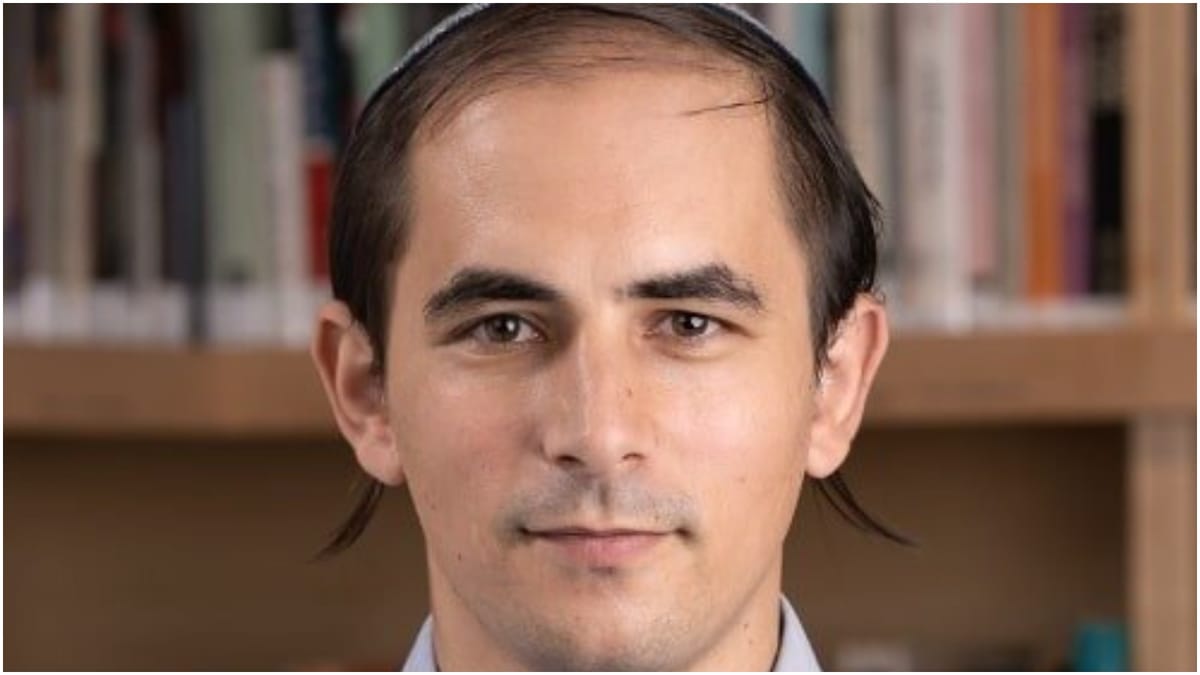
Rav Avraham Stav

Rav Avraham Stav, a religious-Zionist rabbi who voted for the change bloc, has weighed in on reports of contacts between that bloc and the charedi parties, and explained why he finds the prospect of a left-wing government relying on charedim less worrying than another Netanyahu coalition with them.

Speaking on the "Kol Hador" podcast, he said that on election night itself, as the exit polls came in, he began receiving messages from people asking what he thought of the possibility that Gantz, Lapid and their allies might reach understandings with United Torah Judaism and Shas.

"First of all, there's something that really does calm me more about the possibility that the change bloc will make some kind of compromise with the charedim, compared to a compromise that happens between the Netanyahu bloc and the charedim," he answered.

He went on to say that he would also prefer cooperation between the Netanyahu bloc and Ra'am over cooperation between Yair Golan and Ra'am.

"Why? Because at the end of the day, when the government is together, then people restrain one another," he explained. "If I have Ben-Gvir and Smotrich in the coalition, how much can Ra'am really do? And on the other hand, if I have all the people from Liberman and from Bennett and from Yair Golan in the coalition, how much can the charedim really do?"

Who will give Gafni more money

Rav Stav then pointed to a broader problem that is exposed by the possibility of the charedi parties negotiating with the change bloc.

"The fact that United Torah Judaism is moving to negotiate with the change bloc illustrates how impossible and unthinkable it is that we should be forming governments here on the basis of the charedim and the Arabs," he said.

According to him, the central questions facing the State of Israel in the coming years cannot be decided within the framework of coalition negotiations based on dividing up budgets.

"I'm trying to think about the dilemmas that the State of Israel is facing in the coming years, about what settlement will look like, what a war with Iran will look like, and to think that the question of whether they'll evacuate me from my yishuv or build five farms around it depends on the question of who will give more money to Gafni!" he said.

He went on to criticize the possibility of relying on Arab parties that he said are hostile to the state, alongside a charedi party that he claimed does not believe in Zionist governance and acts first and foremost for its own interests.

He concluded by saying that as far as he is concerned, there is no political solution other than a unity government: "I don't see any possibility except a unity government."

Ready for more?

Join our newsletter to receive updates on new articles and exclusive content.

We respect your privacy and will never share your information.

Enjoyed this article?

Yes
No
Follow Us:

Unmissable content


Loading comments...

Also of Interest