A rare Russian government aircraft known informally as a "doomsday plane" landed in Tehran on July 13, hours before the United States launched a fresh wave of strikes on Iranian territory, according to flight-tracking data cited by multiple outlets including The Week, Militarnyi, and Aerospace Global News.
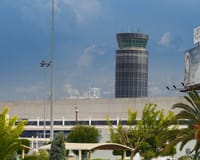
The aircraft, a Tupolev Tu-214PU registered as RA-64531 and operating under the callsign RSD420, departed Moscow's Vnukovo Airport and landed at Tehran's Imam Khomeini International Airport. It remained on the ground in Iran for roughly 12 hours before departing for Beijing, where it landed the following day. The purpose of the stop and the identities of anyone traveling aboard have not been disclosed by either Moscow or Tehran.
The Tu-214PU is a heavily modified variant of Russia's Tu-214 airliner, built specifically to function as an airborne command post for the Kremlin. Operated by the Rossiya Special Flight Squadron, the same unit responsible for transporting the Russian president and senior officials, the aircraft is equipped with secure communications systems, encrypted data links, and facilities allowing senior leadership to direct government and military operations from the air during a crisis. Its "PU" designation comes from the Russian term for command post, and Vladimir Putin has personally used the aircraft type before, including for a high-profile visit to Russia's Khmeimim air base in Syria in December 2017.
Despite the dramatic "doomsday plane" framing that has circulated in headlines, defense analysts caution that the Tu-214PU is not Russia's primary nuclear command aircraft, but rather a hardened communications and VIP transport platform. Notably, this was not the first time the same aircraft has made this exact journey during a moment of regional crisis. According to Defence Security Asia, a nearly identical flight along the same route occurred in February 2026, establishing what analysts describe as a clear operational pattern for Russian involvement during acute escalations between Iran and its adversaries.
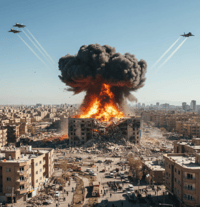
The timing was striking. Hours after the aircraft departed Tehran, U.S. Central Command launched a military operation against Iran that lasted more than five hours, striking targets including Bushehr, Chabahar, Jask, Konarak, Abu Musa, and Bandar Abbas, according to CENTCOM's own statement. Washington said the strikes were aimed at reducing Iran's ability to continue attacking commercial shipping following recent incidents in the Strait of Hormuz, including an Iranian missile strike on two Emirati tankers that killed one crew member and injured eight others.
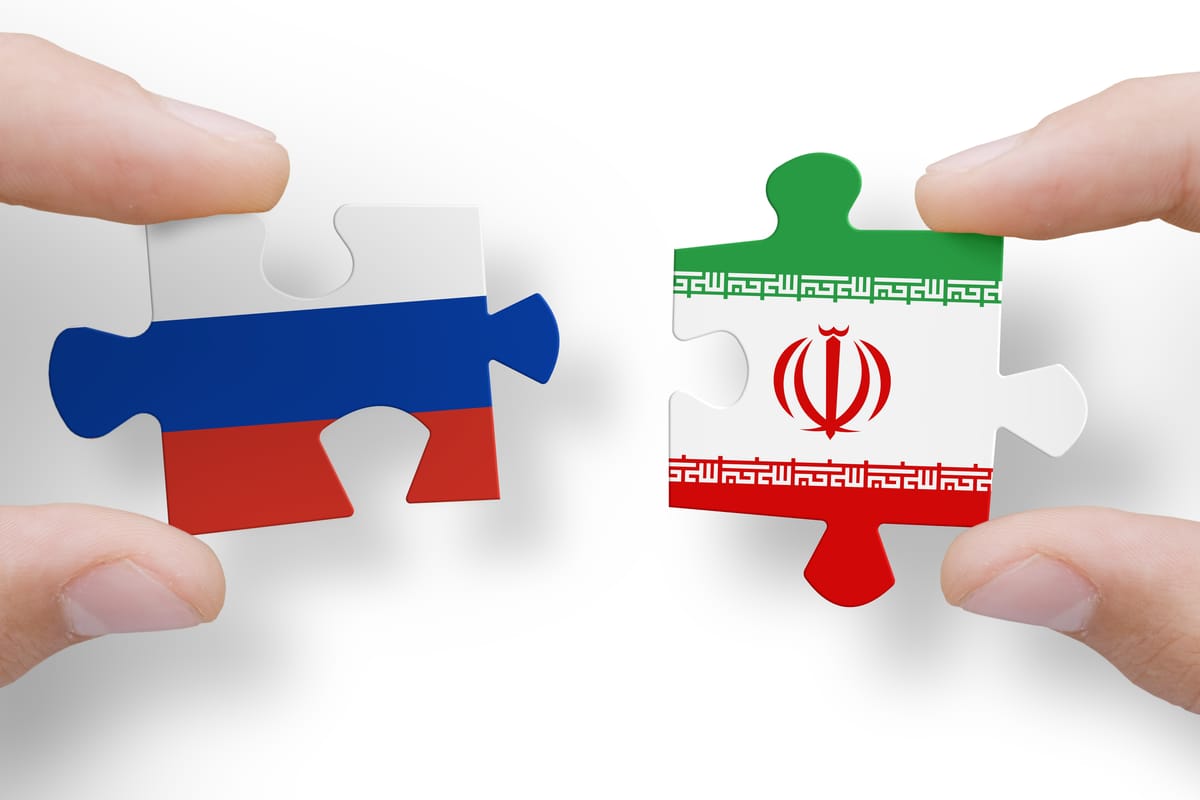
Analysts note that the aircraft's appearance in Tehran, whatever its precise purpose, carries symbolic weight regardless of who was aboard. It demonstrates that high-level contact between Moscow and Tehran is continuing even as the broader conflict escalates, reinforcing what Defence Security Asia describes as an increasingly institutionalized strategic and security relationship between the two countries, one that has developed well beyond transactional arms sales since a defense cooperation pact signed between the two nations last year.
Publicly available flight data cannot confirm who was aboard the aircraft or what, if anything, was discussed during its time in Tehran. It remains possible the stop was a planned staging point on the way to Beijing rather than evidence of a specific coordinated meeting, though the timing has drawn considerable attention given how directly it preceded the resumption of major hostilities.