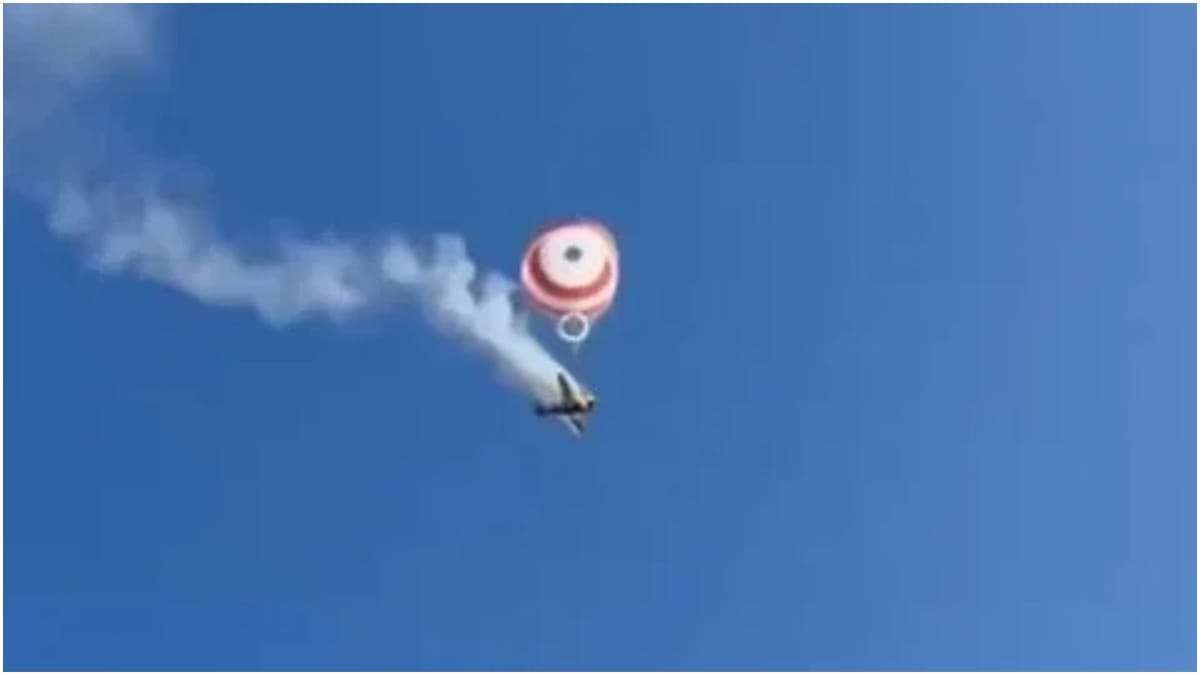
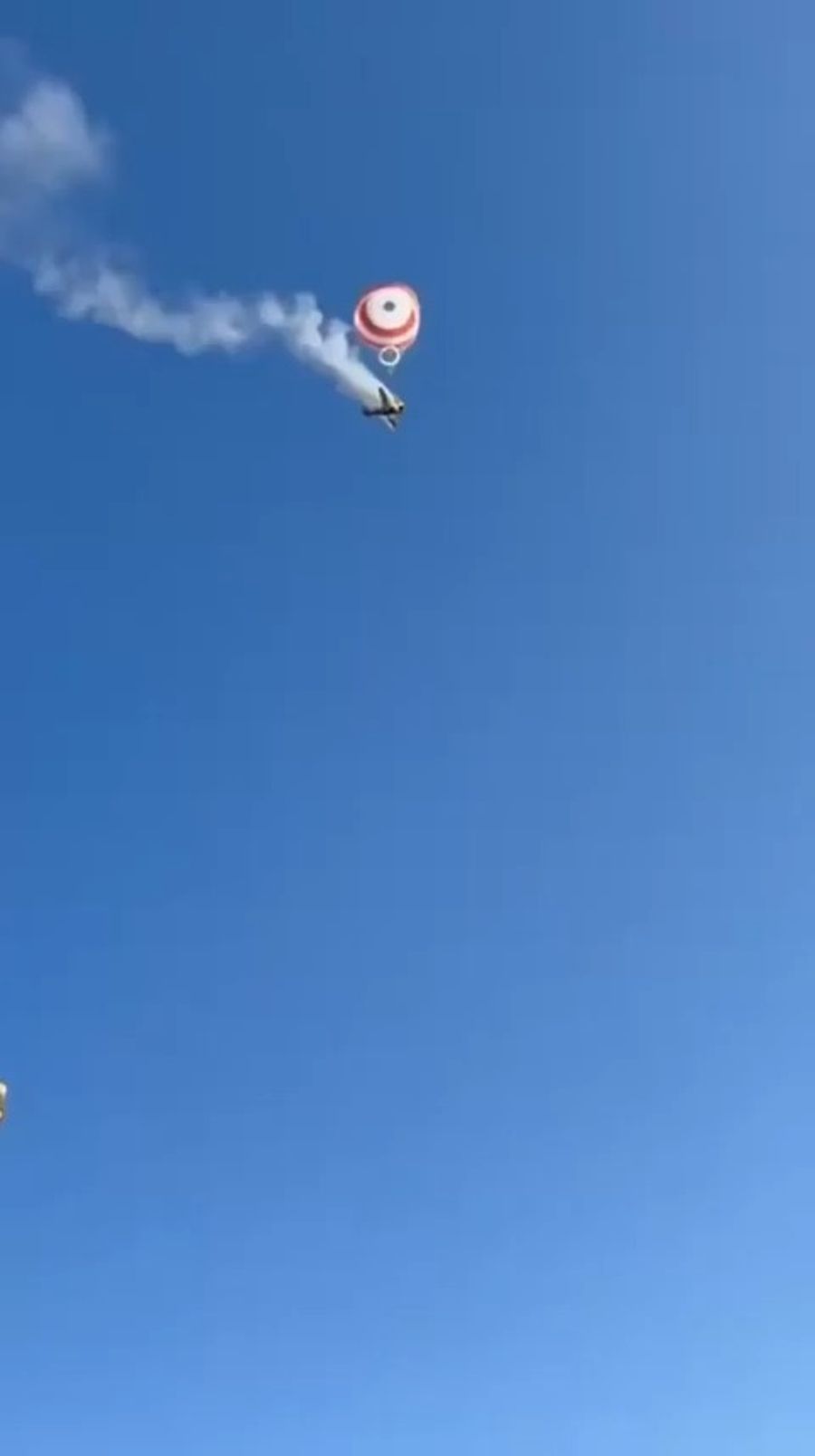
A rare aviation emergency unfolded over Minas Gerais state in Brazil when a small aircraft caught fire in mid-air, prompting the pilot to deploy a specialized emergency parachute system that lowered the entire plane to the ground.
The incident involved a Cirrus SR22, a high-performance single-engine aircraft sometimes called "the Ferrari of light planes." The plane, manufactured in 2013 and registered as PR-VMI, took off around 7:45 a.m. from Pampulha Airport in Belo Horizonte, bound for Bom Despacho for routine maintenance work including an oil change. The sole occupant was 29-year-old pilot Gustavo Monteiro Couto.
Approximately 15 minutes into the flight, while flying over the Mateus Leme area in the Belo Horizonte metropolitan region, the aircraft lost engine power. According to the pilot's account, he attempted standard emergency procedures and deliberately steered away from populated areas to avoid endangering civilians on the ground. As he searched for a suitable emergency landing site, flames began spreading through the aircraft.
Facing rapidly deteriorating conditions, Couto activated the CAPS system, the Cirrus Airframe Parachute System, a ballistic parachute integrated into the aircraft's structure designed for these kind of emergencies. Unlike a personal parachute, this system deploys a large red-and-white canopy that slows the descent of the entire aircraft, not just the pilot. The parachute opened successfully, controlled the plane's descent rate, and brought it down in a rural area south of Serra Azul.
When it hit the ground, the aircraft erupted in flames that nearly destroyed it completely. Couto managed to exit on his own, received assistance from local residents, and was transported to a hospital in Belo Horizonte. He suffered primarily from smoke inhalation and received oxygen treatment while under observation, but sustained no serious injuries or fractures. He was released either that day or the following day and was reunited with his two-year-old son.
The aircraft held valid certification through September 2026 with no restrictions. Airport authorities noted that the pilot did not report an emergency to the control tower during the flight. Brazil's Air Force Investigation Center (CENIPA) has been called in to investigate the circumstances of the accident.
Video footage captured by witnesses clearly shows the aircraft descending under the parachute with black smoke trailing behind, followed by intense fire on the ground after landing.
The incident represents one of the notable cases demonstrating the life-saving capability of Cirrus's CAPS system, which is designed to lower the entire aircraft at a controlled speed rather than save only the pilot.