Get our mobile app
Download on the App StoreGet it on Google Play

Waiting for After the Elections

Saudi Fury at U.S. Over Houthi Gains

Sources close to the royal court say Riyadh feels abandoned by America and its allies as Iranian-backed Houthis expand control unchecked. There is deep disappointment with the American position and a growing sense of helplessness, one official says.

Surrounded on All Sides: Saudi Arabia Furious with Washington Over Houthi Gains

Following recent Houthi attacks and air-raid sirens activated in Mecca, Saudi officials are voicing sharp criticism of the United States and regional allies. "The Houthis are exploiting the lack of decisiveness," sources close to the royal court said. "Pakistan and Turkey have settled for empty declarations."

A Saudi official close to the royal court revealed to Israel's Channel 12 the depth of frustration at the kingdom's highest levels: "There is deep disappointment in Saudi Arabia with the American position and a growing sense of helplessness." According to him, the absence of a firm American policy allows the Houthis to expand their influence unchecked: "As long as Washington does not make a practical decision, we are the ones paying the price on the ground."

The Saudi official sketched a troubling picture of multiplying fronts closing in on the kingdom: "Saudi Arabia's situation today is more difficult than in the past and requires stopping, regrouping, and repositioning. It starts with the Iranian front, moves to Hezbollah in the north and militias in Iraq, continues to the Houthis in the south, and even reaches Sudan, where there is Iranian involvement of the Muslim Brotherhood." According to him, this reality severely damages Saudi national security, shipping capacity, and freedom of navigation, and requires all Gulf states to recalculate their course.

Another flashpoint was recorded following the sirens activated in Mecca. According to reports, Saudi air defense systems intercepted and destroyed a drone south of Mecca before it could enter the prohibited airspace of the holy city. "Saudi Arabia is now in a bind," the source close to the royal court admitted. "There were sirens in Mecca, the holiest place in Islam. This proves unequivocally that this is not a religious war as Iran tries to market it, but a cold war over regional control. The holy sites do not interest them at all."

Meanwhile, another Saudi official leveled sharp criticism at additional allied nations, telling Channel 12 there is fury over Trump's refusal to provide active support for carrying out joint strikes. The official did not spare regional countries either: "From Pakistan and Turkey we received nothing but statements. There is no real cooperation from them; they just want to sell weapons."

Riyadh now pins its hopes on a significant shift in direction after the U.S. elections, with a decisive decision regarding the continuation of the campaign. The general feeling in the Saudi capital is one of prolonged abandonment. Despite feverish meetings being held with Egypt and other parties in an attempt to formulate a joint framework for securing the Red Sea and clearing the Bab al-Mandab Strait, no practical plan has been formed so far.

"The issue is not stable and is not progressing in a clear direction," the official summed up the situation, "and from Saudi Arabia's perspective, the situation right now is very, very chaotic." In the past week, the Houthis have managed to record a series of significant achievements, with the organization's forces advancing along the Red Sea coast, seizing the city of Mokha and the strategic island of Perim at the entrance to the Bab al-Mandab Strait, thereby increasing the threat to one of the world's most important shipping routes.

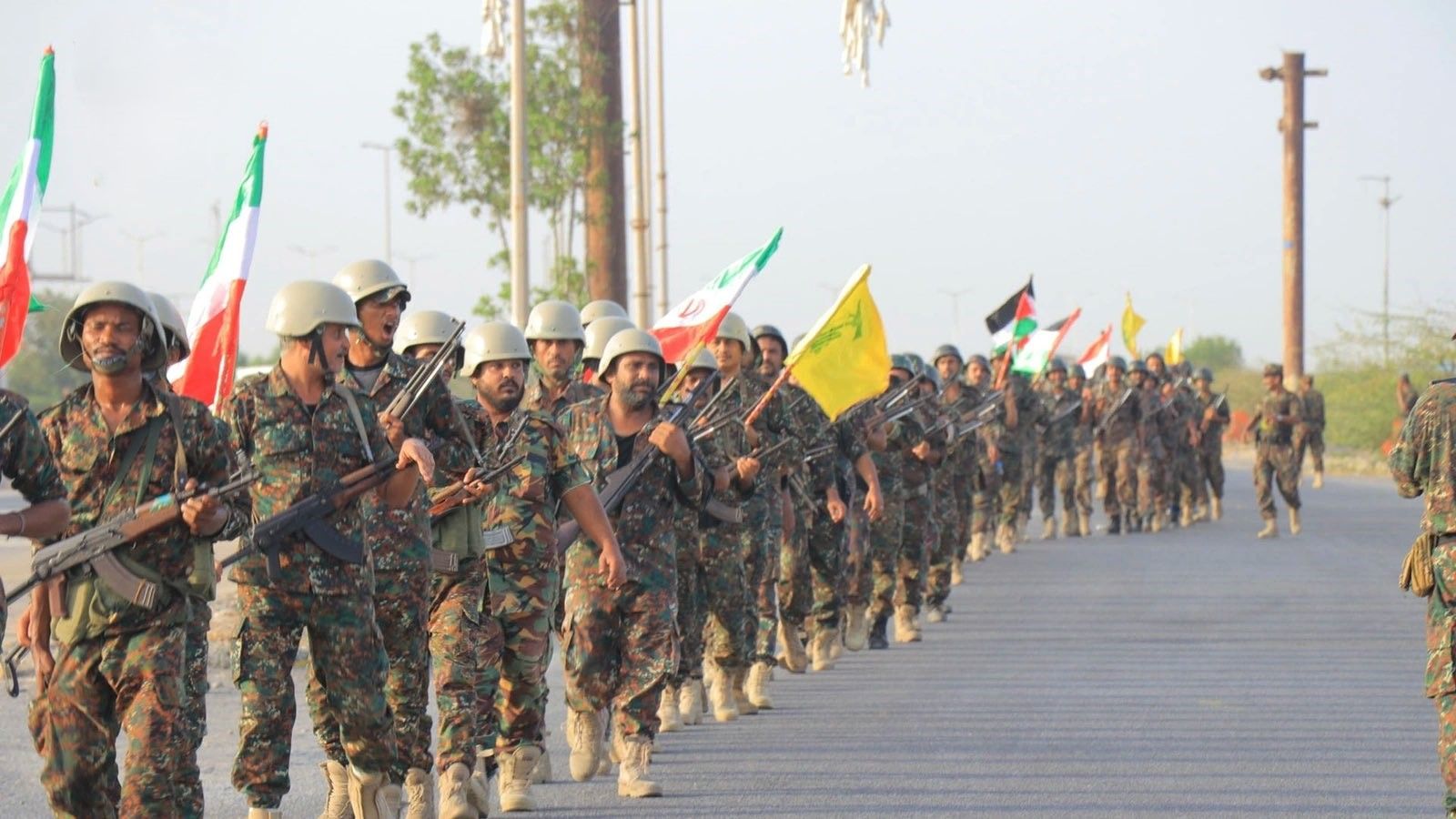
Houthi fighters with Iranian and Hezbollah flags
Houthi fighters with Iranian and Hezbollah flags (Photo: Social media)

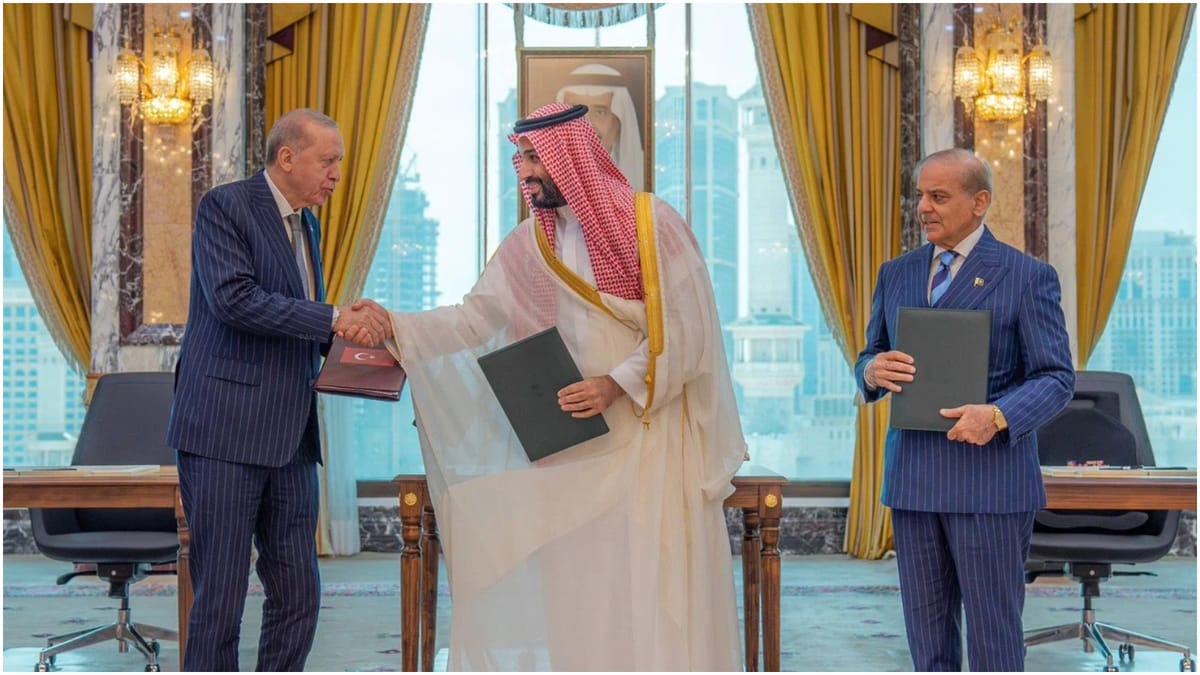
Against the backdrop of these developments, it was revealed that Crown Prince Mohammed bin Salman approached U.S. President Donald Trump and requested American assistance against the Houthi threat. Additionally, Pakistan clarified that it will activate its joint defense agreement with Saudi Arabia and Turkey in the event of an escalation in Houthi attacks on the kingdom's territory. Pakistani Defense Minister Khawaja Asif emphasized his country's commitment to defending Saudi territory and said that "aggression against one country will be considered aggression against all three countries."

Ready for more?

Join our newsletter to receive updates on new articles and exclusive content.

We respect your privacy and will never share your information.

Enjoyed this article?

Yes
No
Follow Us:

Unmissable content


Loading comments...

Also of Interest