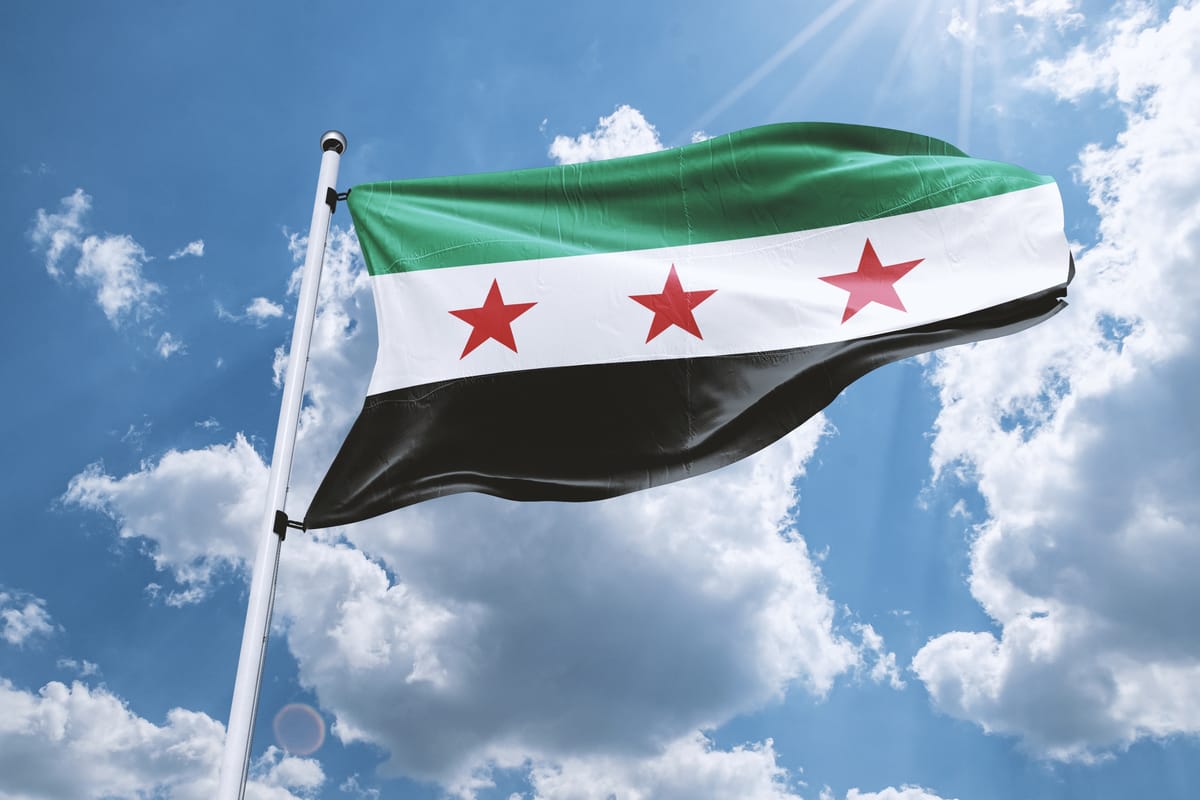
Syria is considering formal entry into the Mecca Joint Defense Agreement signed Friday by Turkey, Saudi Arabia, and Pakistan, a development that military analysts warn could significantly constrain Israeli military operations along the northern border.
The three-country alliance, signed August 8, is designed partly to limit Iranian influence in the region and support Syria's post-war reconstruction. Under the pact, signatories treat any aggression against one member as an attack on all—a mechanism similar to NATO's Article 5.
A formal Syrian commitment has not been announced. Syrian officials have not publicly confirmed whether they will join the agreement.
If Syria enters the alliance, analysts say it could shift the calculus for Israeli military operations in Syrian territory. Israeli airstrikes and targeted operations in Syria have increased in frequency over the past year as part of efforts to limit Iranian military buildup near Israel's border.
"Any future Israeli military action in Syria could now trigger a coordinated response from multiple regional actors," according to strategic assessments circulating in Israeli security circles.
A spokeswoman for the Israeli Defense Ministry declined to comment on the specific implications of the alliance but said the IDF "maintains the capability to defend Israel against any threat from Syrian territory."
Defense Secretary Pete Hegseth said Friday that the U.S. views the Turkey-Saudi-Pakistan agreement as part of broader Sunni regional cooperation and does not consider it directly threatening to American or allied interests.
Saudi Foreign Minister Faisal bin Farhan said the alliance is aimed at creating a "security framework" in the region but did not specifically address Syria's potential membership.
The agreement could also complicate Israeli-Saudi normalization efforts, which have advanced in recent months amid shared concerns about Iranian regional activity. Saudi officials have signaled that expanded Israeli-Saudi security cooperation may depend partly on how Israel manages its military posture in Syria.
No formal military commitments or funding packages for Syria have been announced by any signatory to the agreement.