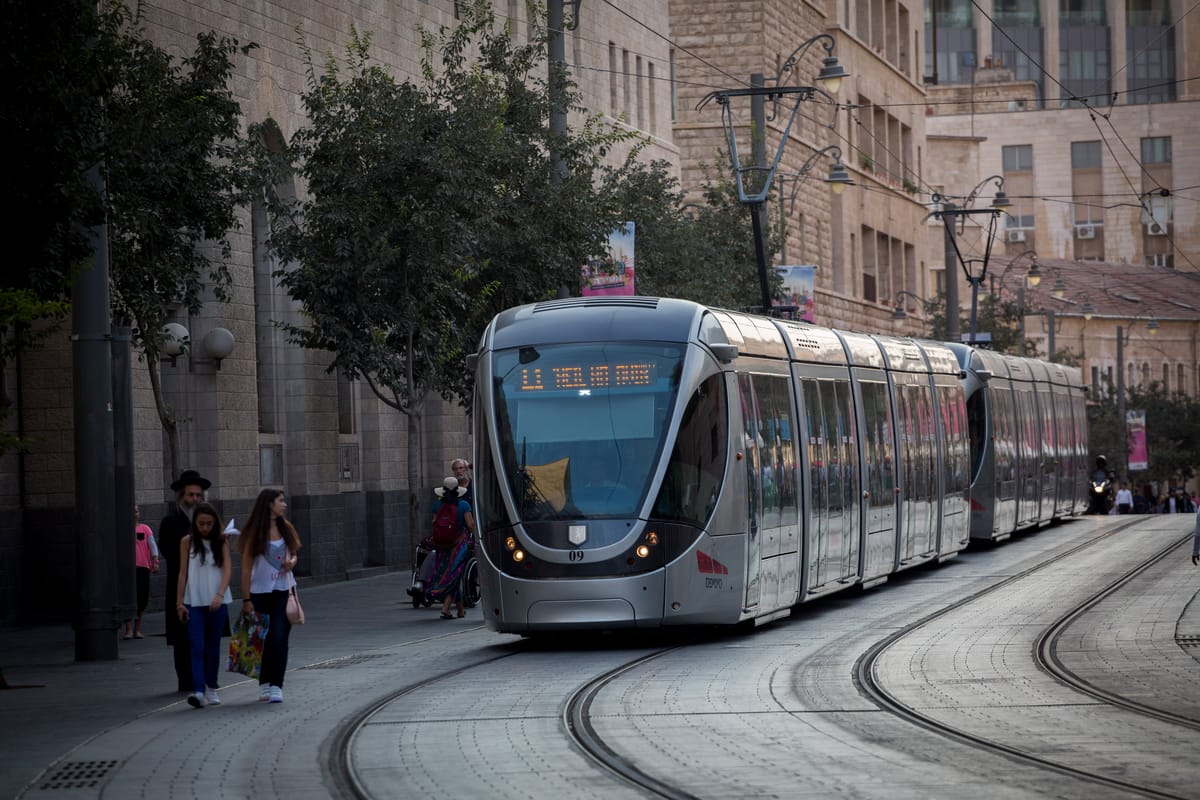
Jerusalem's second light rail line is set to begin official operations soon, marking a significant expansion of public transportation in Israel's capital. The project aims to substantially reduce private vehicle traffic on Jerusalem's roads, though construction work for additional planned lines has disrupted city traffic for years. As the Green Line prepares to launch, here are ten notable facts about this ongoing infrastructure project.
Urban Transit
Jerusalem Light Rail: 10 Surprising Facts
As the Green Line prepares to launch, here's what makes Jerusalem's expanding light rail network unique among urban transit systems worldwide
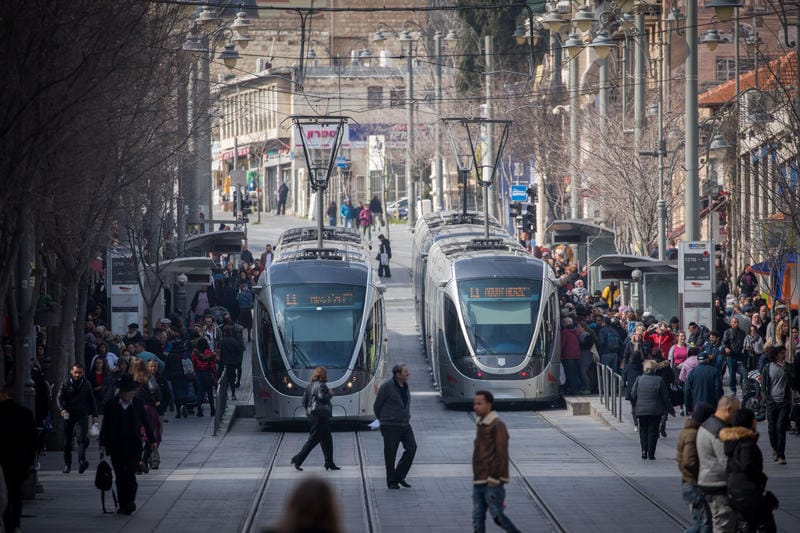
1. Unearthing Ancient History
Construction crews laying tracks for the Red Line uncovered significant archaeological finds, including a Hasmonean fortress, a Roman settlement, and ancient wine presses. Infrastructure work was halted multiple times to allow archaeologists to properly document and preserve these discoveries.
2. Preserving Visual Heritage
Jerusalem became one of the first cities globally to require underground electrical supply systems in certain sections of the city center. This design choice prevents overhead power cables from marring views near historic sites.
3. Announcements in Three Languages
Station announcements are recorded in Hebrew, English, and Arabic. The Arabic names were recorded using the distinctive local Jerusalem pronunciation to ensure they're understood by residents of the city's eastern neighborhoods.
4. Security-Enhanced Design
The light rail cars received special structural upgrades: windows and panels are reinforced against stone-throwing and small arms fire, reflecting unique security requirements. Since the Red Line began operating, trash bins have been removed from cars to prevent concealment of explosive devices, which is why eating on board is prohibited.
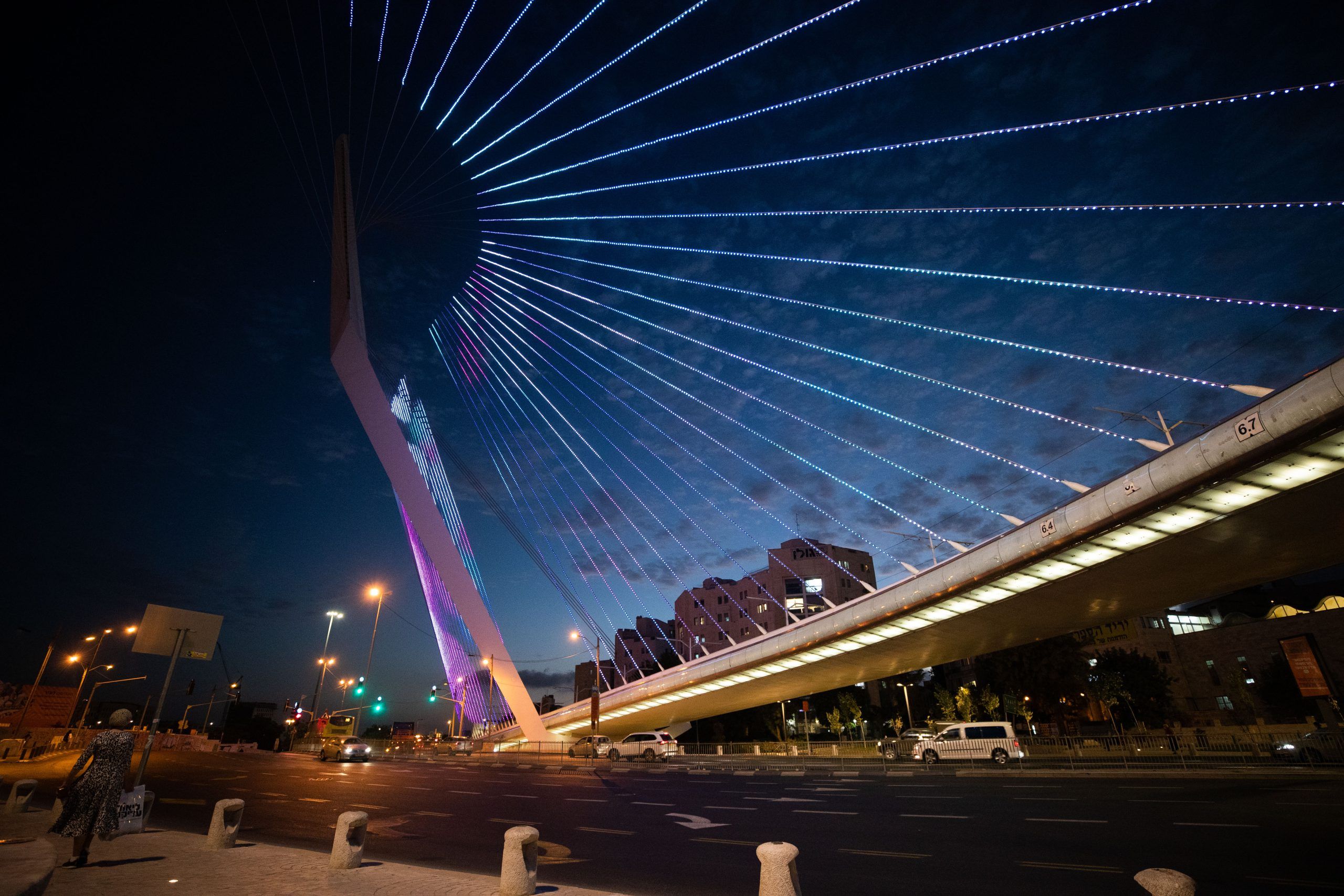
5. The Controversial Gateway Bridge
The String Bridge at the city entrance, built specifically for the Red Line by architect Santiago Calatrava, is supported by 66 steel cables and rests on a single angled central column. It ranks among the most engineering-complex suspension bridges in the Middle East, though it remains controversial among residents.
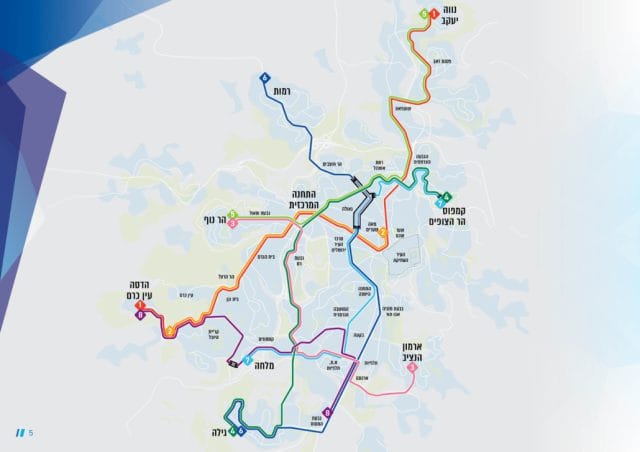
6. Hidden Infrastructure Challenges
Before a single rail could be laid, crews had to relocate dozens of kilometers of old water, electrical, and communications infrastructure, some of which didn't appear on any official Jerusalem maps.
7. Smart Traffic Priority
The light rail uses a specialized communication system with the city's traffic lights (TPS). As a train approaches an intersection, the signal detects it and shortens the red light phase to provide continuous green lights.
8. Conquering Steep Terrain
Jerusalem is among the few mountainous cities worldwide with a light rail system. The tracks navigate steep gradients of up to 6.8%, requiring reinforced engines with specialized braking systems.
9. Multi-Level Underground Depot
The new maintenance and storage facility (depot) for the Green Line was built partially underground across multiple levels to conserve valuable urban space.
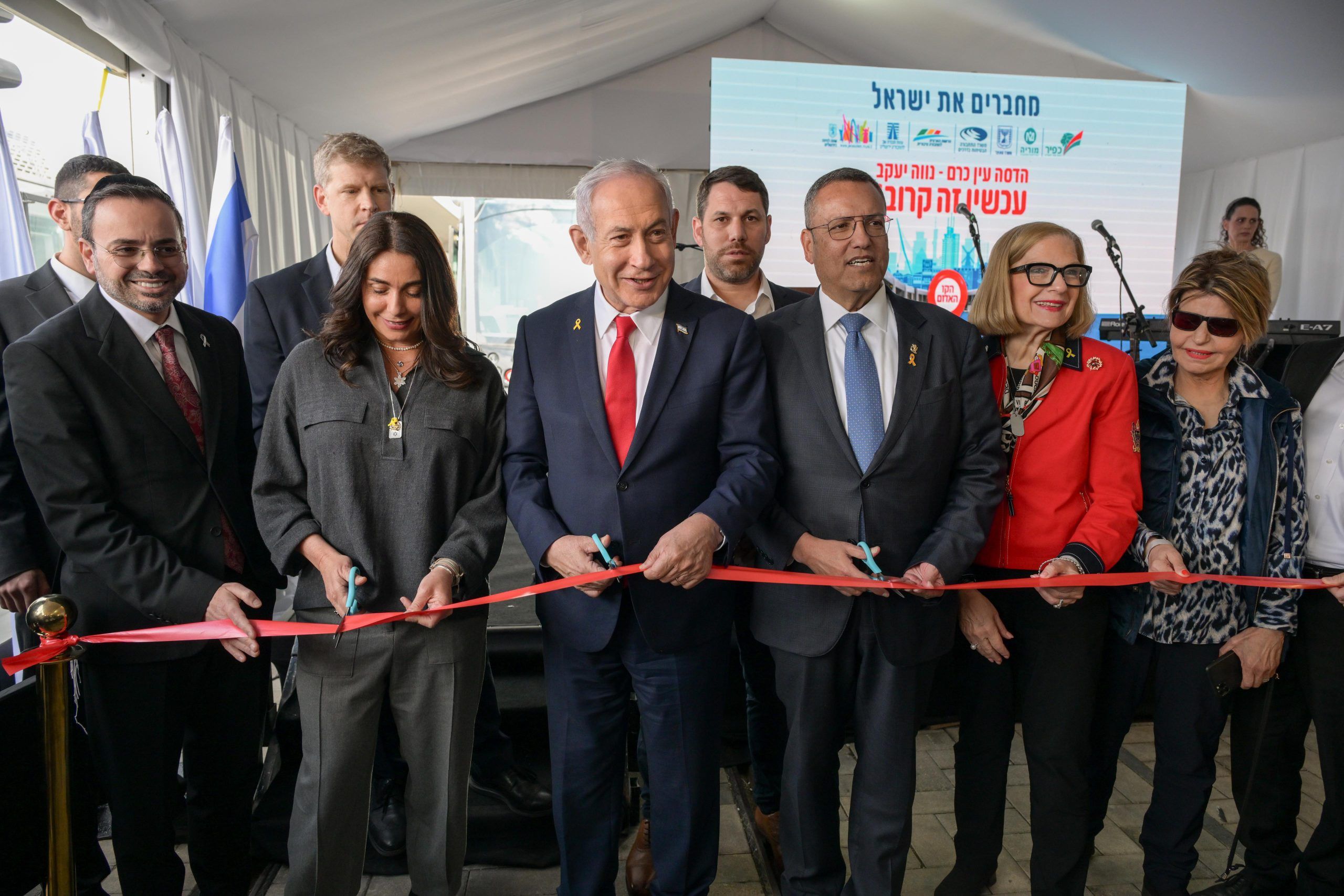
10. Far Exceeding Projections
When the Red Line began operations, planners expected approximately 40,000 daily riders. Today, Jerusalem's light rail carries over 170,000 passengers daily, making it one of the world's most heavily used light rail systems relative to its length.
An additional milestone: with the Green Line's imminent opening, Jerusalem will become the first city in Israel operating a light rail network with multiple lines.