The Israeli military has significantly heightened its combat readiness across all operational sectors in response to rising regional threats and recent spillover attacks linked to the Iranian regime. Chief of Staff Eyal Zamir finalized a comprehensive strategic assessment on Sunday to address the evolving security challenges. This direct high level military review signals that Israel is preparing for potential multi front operations as international tensions continue to climb.
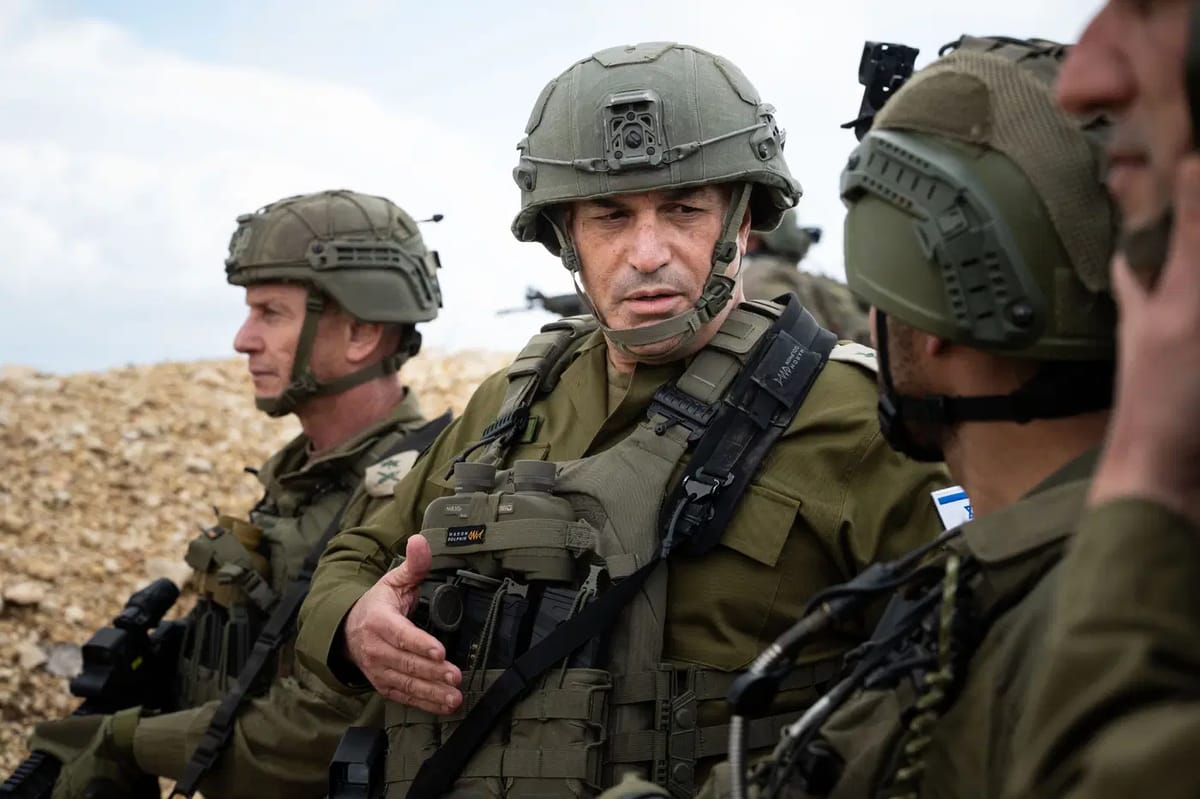
The supreme military commander conducted the operational assessment alongside Central Command head Major General Avi Blot. The strategic session also included Technology and Logistics Directorate chief Major General Rami Abuduraham and regional division commander Brigadier General Kobi Heller. The assembled command staff analyzed real time intelligence regarding the multi theater threats currently facing the country.
Zamir addressed the recent spillover of hostile fire that impacted the neighboring Aqaba region earlier in the day. "Alongside the ongoing fight against terrorism, we are closely monitoring developments in Iran and maintaining high alertness," he stated. The general reassured the public regarding protective measures, adding, "We followed the firing toward the Aqaba area today and our air defense system is on alert to protect the citizens of Israel".
The military leadership made it clear that any further provocations from foreign adversaries or proxy networks would meet an immediate, lethal response. The armed forces are fully positioned to pivot their main operational focus back toward active theater combat at a moment's notice. "We are prepared for an immediate return to fighting and will act with great force against anyone who harms us," the Chief of Staff warned.
During his field briefing, the top commander expressed immense gratitude to the operational forces deployed across the sector for achieving notable security milestones. He confirmed that due to persistent counter terrorism raids, the total volume of insurgent activities has dropped to some of the lowest levels recorded in recent history. The general emphasized that maintaining this operational pressure remains a permanent priority for the entire defense establishment.
However, the military leadership also issued a stern warning regarding domestic disruptions that threaten to destabilize internal defense lines. Zamir explicitly noted that illegal nationalist crime inside the sector directly harms both territorial security and the local communities. He emphasized that the military will not tolerate these actions and will continue working alongside the Shin Bet security agency and the police to completely eradicate the phenomenon.
The defense establishment is directing field commanders to maintain maximum vigilance for rapid onset security events in the coming weeks. The military must remain highly adaptive to sudden regional escalations while simultaneously preserving localized stability. The general staff concluded the briefing by reinforcing that this strategic arena will remain a central focal point for national defense planning.