A Pattern of Silence

BREAKING: Pentagon Hid that Iranian Attacks Wounded Dozens of US Soldiers in Jordan

The New York Times reports Pentagon officials detailed a five-day Iranian barrage on a US base in Jordan, revealing far more wounded troops than publicly disclosed.

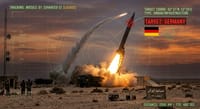
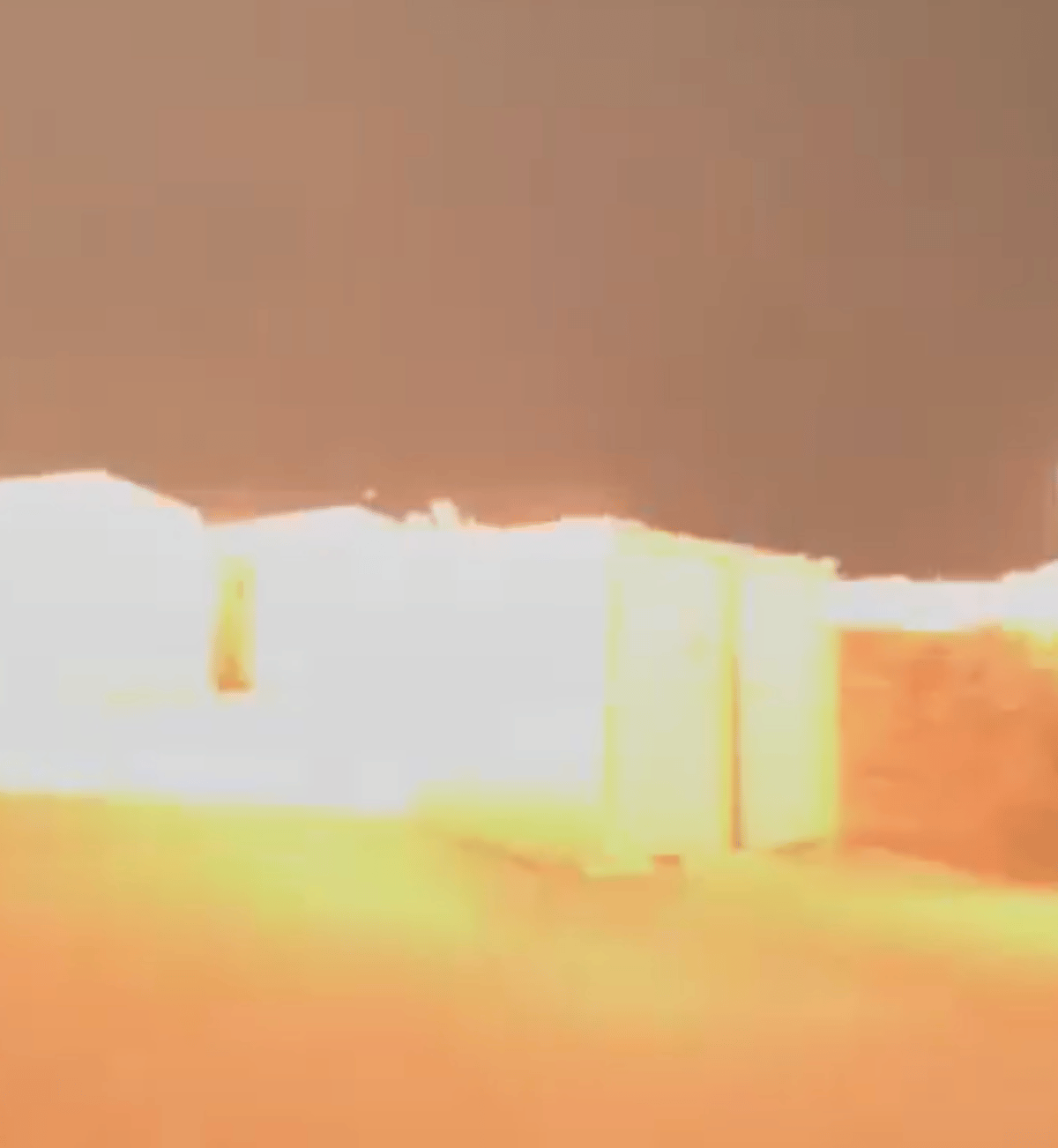
Iran’s direct missile hit on the Muwaffaq Salti Air Base in Jordan

American officials gave The New York Times a detailed accounting of five straight days of Iranian attacks on US forces in Jordan that the Pentagon has not yet laid out publicly, revealing a far larger toll of wounded troops than the Defense Department has disclosed on its own. It is the latest in a string of episodes in which independent reporting has surfaced a bigger, bloodier picture of the war's human cost than what the Pentagon has told the American public.

Five Days in Jordan

According to the officials who spoke with the Times, the sequence began with a strike on a residential facility at King Faisal Air Base, wounding as many as five American service members. A second attack struck a separate Jordanian base hosting US Black Hawk helicopters, damaging a significant number of the aircraft. Roughly 48 hours before Friday's deadly strike, Iranian missiles hit Muwaffaq Salti Air Base in Azraq, the same base later struck again on Friday, wounding about 20 American troops as they scrambled for cover in bunkers. No one was killed in that earlier barrage.

It was the following strike on Muwaffaq Salti on Friday that proved fatal, killing two US service members and leaving a third missing, according to US Central Command, which confirmed the deaths publicly but did not detail the base's location or the extent of the preceding week's attacks. CENTCOM said four additional troops were medically evacuated to Jordanian hospitals and have since been discharged, while others evaluated for minor injuries have returned to duty. On Sunday, the command said it had located unidentified remains near the attack site and was working to confirm whether they belong to the missing service member. CBS News separately reported that Iran struck at least two Jordanian bases hosting American troops over the course of the week, injuring several service members each time.

Muwaffaq Salti, which houses the largest concentration of US tactical airpower in the Middle East, has come under repeated Iranian attack throughout the conflict, including a strike in March that damaged or destroyed an American missile defense radar there.


A Familiar Pattern Since the War Began

The Jordan disclosures echo a pattern that has recurred since the war with Iran began in late February. In March, an Iranian drone strike on a tactical operations center at Port Shuaiba in Kuwait killed six US service members, but CBS News later reported that the actual number of wounded was far higher than the five seriously injured the Pentagon initially acknowledged.

Sources told CBS that more than 30 troops were hospitalized, roughly 20 of them evacuated to a military hospital in Germany with injuries designated urgent, including traumatic brain injuries, memory loss, and concussions. Survivors of that strike later told CBS that Defense Secretary Pete Hegseth's public description of the attack as a single drone that squeaked through defenses did not reflect what they experienced, saying their unit had been left in a position that was unprepared and unfortified.

Separate reporting by The Intercept found that the Pentagon's public casualty tracker has fluctuated in ways outside data specialists say they cannot explain, including one instance in which the recorded number of wounded in action dropped by 15 troops overnight without public comment. A former Defense Department official who worked on similar casualty tracking during the war on terror said she could not account for why smoke inhalation injuries aboard the USS Gerald R. Ford were missing from the public record. Reuters, meanwhile, reported that as many as 150 US troops had been wounded in the war's first ten days alone, a figure well above what the Pentagon had disclosed at the time, prompting the Pentagon to subsequently acknowledge approximately 140 wounded, including eight described as severely injured.

No Detailed Response From the Pentagon

Across each of these episodes, the Pentagon has said the incidents remain under investigation but has not issued a detailed public accounting reconciling its own figures with what reporters have found through outside sourcing. The Jordan case marks the latest instance in a now familiar rhythm: an attack occurs, the Pentagon issues a limited public statement, and subsequent reporting reveals a fuller and often more severe picture of what American troops actually experienced.

Ready for more?

Join our newsletter to receive updates on new articles and exclusive content.

We respect your privacy and will never share your information.

Enjoyed this article?

Yes (25)
No (1)
Follow Us:
1

Unmissable content


Loading comments...

Also of Interest