
The United States is preparing for a broader military campaign against Iran, according to an American official familiar with internal administration discussions.
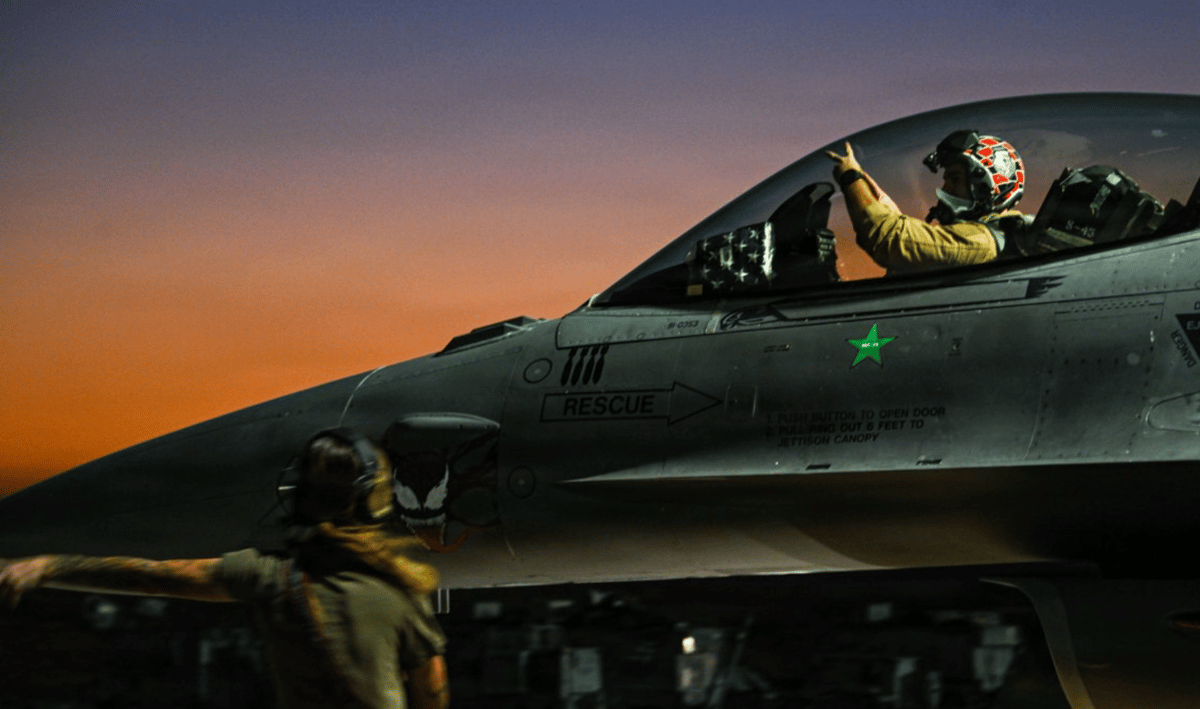
Speaking anonymously to The Washington Post, the official said the Pentagon was increasing the number of military aircraft deployed to the region as Washington considered expanding its operations.
However, the official warned that the campaign could be constrained by diminishing American air-defense inventories, shortages of long-range munitions and difficulties moving additional troops and aircraft into the region following damage sustained during the fighting.
“We do not have enough to conduct the operation safely, and I do not think the White House understands that,” the official was quoted as saying.
Military experts have also warned that the United States is not adequately prepared for possible ground operations inside Iran, an option President Donald Trump declined to rule out last week.
“I think it would be a mistake to place ground forces anywhere on the islands in the Strait of Hormuz or along the coast,” said Seth Jones, who heads the Defense and Security Department at the Center for Strategic and International Studies in Washington.
“I do not think US forces are prepared for prolonged Iranian attacks.”
US Central Command said its latest strikes had successfully targeted Iranian coastal surveillance and air-defense installations, naval capabilities, and missile and drone storage sites.
CENTCOM said the attacks also targeted Islamic Revolutionary Guard Corps forces responsible for striking American troops in Jordan.
Iran, meanwhile, claimed that US forces had also attacked a nuclear power facility under construction in the country’s southwest.
The Trump administration remained largely silent throughout the day. Energy Secretary Chris Wright offered one of the few official comments, telling ABC’s This Week that the American mission to eliminate Iran’s ability to “terrorize the world” would continue until it was completed.
Cutting Off the Revolutionary Guards
American diplomatic sources said the growing focus on bridges, roads and transportation routes inside Iran was intended to isolate the Revolutionary Guards from military supplies arriving from rear bases.
The latest strikes represent a warning that Washington may sharply increase both the scope and intensity of the campaign in the near future, sources told the Arab news outlet Eram News.
They claimed that, should Israel formally enter the conflict, it would likely move directly against major power stations, oil installations and nuclear sites.
Trump is reportedly pursuing a “maximum-pressure” strategy while waiting for Iran to return to negotiations over the Strait of Hormuz and Tehran’s nuclear program.
The proposed diplomatic framework reportedly includes a timetable for opening negotiations within one month. Messages are being delivered through Pakistan, which continues to mediate, as well as through other regional governments attempting to calm the situation.
The American attacks on bridges and transportation corridors mark a new phase of the conflict, aimed at disrupting Iranian logistics and increasing the financial and military cost of the war.
Observers told Eram News that the strikes were designed to prevent Iran from transferring military vehicles and missiles from inland areas, including Yazd and Lorestan, toward coastal cities.
Iran has used those coastal regions to attack oil tankers and civilian commercial vessels attempting to cross the Strait of Hormuz.
A diplomatic source familiar with the mediation efforts said Washington was signaling that the attacks would become significantly broader unless Tehran entered negotiations and agreed to a clear framework and deadlines.
According to the source, Trump’s current strategy is focused on inflicting maximum pain and losses on the Iranian regime—particularly the Revolutionary Guards—until negotiations appear to be Tehran’s only remaining option.
A former American diplomat familiar with the latest developments said the White House had established a military operations management team following the collapse of negotiations.
The team is reportedly focused on destroying Iranian military capabilities and creating gaps in its supply lines.
The former diplomat said the widening military campaign and expanding list of targets increased the likelihood that Israel would join the United States directly.
Israel, he predicted, could escalate the conflict to a new level by targeting Iran’s core infrastructure, including major oil facilities, power stations and nuclear installations.