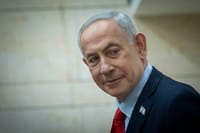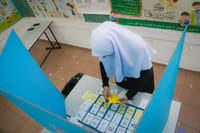
The final vote count in Israel's Knesset elections, updated Thursday, shows a political map in which neither of the two main blocs reaches the 61-seat majority needed to form a government. According to the mandate projection released after more than 5.6 million votes were tallied, the Netanyahu bloc stands at 53 seats, the change bloc at 48, and the Arab parties together hold 19 seats.
Likud, led by Prime Minister Benjamin Netanyahu, leads with 27 mandates, while the Yashar! party led by Gadi Eisenkot takes second place with 21 seats. Naftali Bennett's Yachad party receives 12 mandates, and the Joint List receives 11.
In the Netanyahu bloc, Itamar Ben Gvir's Otzma Yehudit receives seven mandates, United Torah Judaism seven, and Shas another seven. Religious Zionism and Zehut, led by Bezalel Smotrich and Moshe Feiglin, receive six seats. Together with Likud's 27, the bloc stands at just 53 mandates — eight short of the majority required in the Knesset.
On the other side, the change bloc includes Eisenkot's Yashar! with 21 mandates, Bennett's Yachad with 12, the Democrats led by Yair Golan with eight, and Yisrael Beiteinu led by Avigdor Liberman with seven. In total, the four parties hold 48 mandates, 13 short of the required majority.
The Arab parties together hold 19 mandates, with the Joint List receiving 11 and Ra'am eight. A mathematical addition of the change bloc with the Arab parties yields 67 mandates, but this is a numerical exercise only and does not reflect political agreements between the parties.