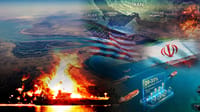
A major security crisis has rapidly escalated within the Persian Gulf corridor following a series of aggressive maritime operations executed by Iranian forces against international shipping. The White House responded by immediately canceling highly lucrative oil sanction exemptions that had been granted to Tehran less than three weeks prior under a temporary memorandum of understanding. This swift economic retaliation marks the functional collapse of recent diplomatic agreements brokered during multilateral talks in Switzerland, pushing the strategic region toward an imminent military flashpoint.
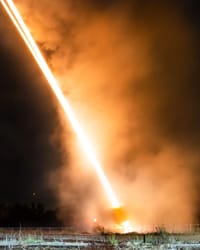
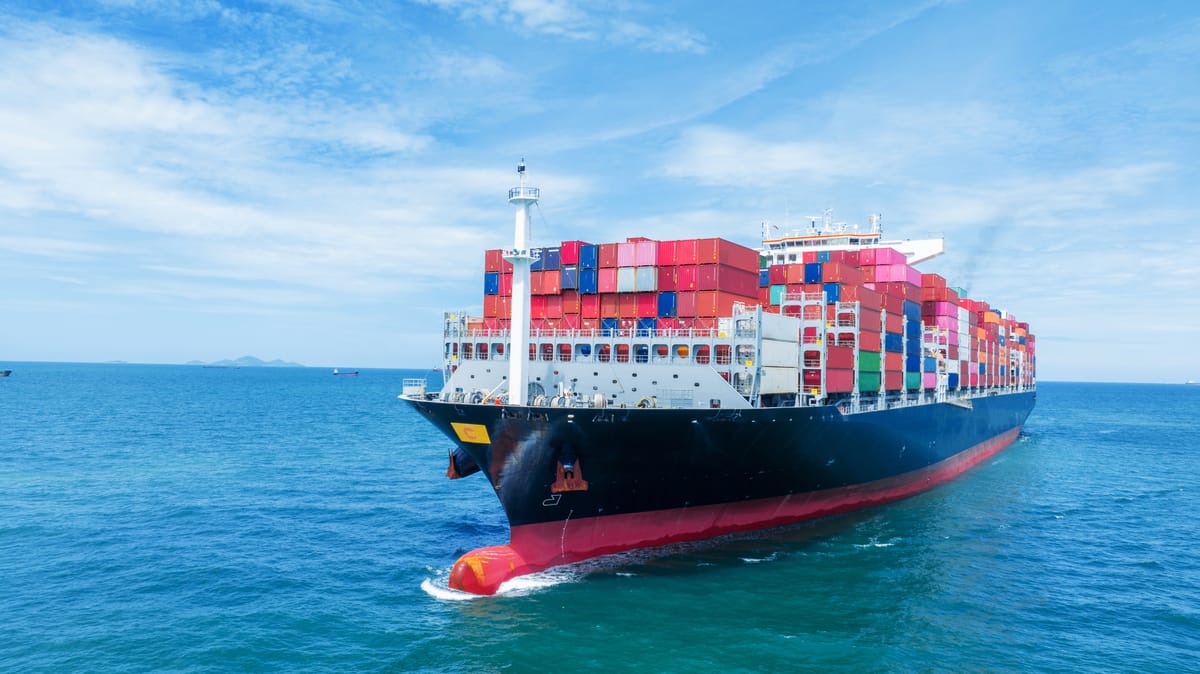
The diplomatic fallout was triggered when the Islamic Revolutionary Guard Corps initiated multiple tactical strikes inside the critical shipping lanes of the Strait of Hormuz. According to official naval monitoring documents, Iranian units deployed at least two anti ship missiles during a nocturnal operation targeting commercial vessels. The projectiles scored direct hits on two distinct merchant ships, inflicting severe structural damage and igniting a major blaze on the deck of one vessel, though no crew fatalities were reported.
This initial maritime assault was followed by a secondary wave of violence occurring less than twenty four hours later. The United Kingdom Maritime Trade Operations agency confirmed that an additional drone strike struck a commercial tanker navigating near the coast of Oman. Western intelligence officials believe these coordinated attacks were deliberately ordered after a round of indirect negotiations between Washington and Tehran concluded in Doha without yielding significant concessions for the Iranian government.
The kinetic escalation drew an immediate and fierce condemnation from regional sovereign powers whose energy infrastructure was directly impacted. The Saudi Arabian Foreign Ministry released a formal statement denouncing the hostile maneuvers. "We strongly condemn Iran's attack on two Saudi and Qatari oil tankers while they were passing through the Strait of Hormuz", the ministry stated, while holding Tehran fully accountable for the disruption of global energy supplies. Concurrently, the Qatari Foreign Ministry summoned the Iranian deputy ambassador to deliver an explicit note of protest, classifying the behavior as a blatant violation of international law.
In Washington, the United States Department of the Treasury formalized the return of the economic embargo via an official administrative decree. "As President Trump and the administration have repeatedly confirmed, the memorandum of understanding is in effect based entirely on performance on the part of Iran. Iran will only profit if it exhibits good behavior", the treasury statement clarified. Federal officials added that the hostile actions within the sea lanes were completely unacceptable to the United States and would continue to carry severe consequences.
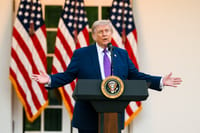
President Donald Trump addressed the mounting geopolitical tensions directly from the Oval Office, delivering an ultimatum regarding the future of the regional standoff. "We will win one way or another", Trump declared during the press briefing. "Either we'll make a deal or we'll 'finish the job'. And it won't be hard to 'finish the job'." The president noted that he still prefers a negotiated framework to avoid causing widespread economic harm to the ninety one million citizens residing inside Iran, but warned that additional military provocations would face direct American kinetic actions.
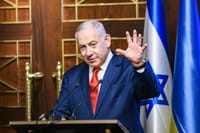
In response to the economic measures, the Iranian Foreign Ministry and the Revolutionary Guard issued a defiant joint counter declaration. Tehran asserted that the vital shipping lane would remain completely closed to international transit until specific geopolitical demands are fulfilled. These terms include a complete military withdrawal of Israeli forces from Lebanon, the total lifting of maritime blockades, and the complete evacuation of all United States military personnel from the Persian Gulf.