A major diplomatic confrontation has ignited between the United States and the Islamic Republic following explicit military and economic threats voiced by President Donald Trump. The Secretary of Iran's Supreme National Security Council, Mohammad Baqer Zolghadr, issued a sharp rebuke to the American administration during a public address. The heated exchange occurs amid ongoing behind the scenes negotiations regarding regional maritime borders and nuclear enrichment thresholds.
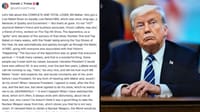
The rhetorical escalation began when President Donald Trump touted the absolute effectiveness of recent American maritime operations in the Persian Gulf region. Trump asserted that the United States Navy had successfully implemented the most extensive naval blockade documented in modern history, claiming that not a single cargo vessel managed to bypass the enforcement zones. The American leader emphasized that while Washington does not explicitly seek a total regime change, the administration maintains absolute leverage over the country's economic survival.
The American president clarified his strategic positions regarding the ongoing diplomatic impasse by threatening the total elimination of the local industrial grid. "We can paralyze Iran's energy supply and destroy all the major energy facilities it has built", Trump declared during a formal press briefing. He further stated that the White House had already secured substantial concessions from the transitional government in Tehran, noting that the country must comply with every condition.
Trump also expressed complete confidence in the ultimate outcome of the standoff, explaining that American geopolitical dominance remains secure regardless of whether a formal diplomatic accord is signed. "Whether Iran signs an agreement or not, we win in both cases," the president stated. He added that he harbors no desire to harm the ninety one million citizens residing in the country, but warned that the leadership will either sign the finalized document or face a total completion of the military mission.
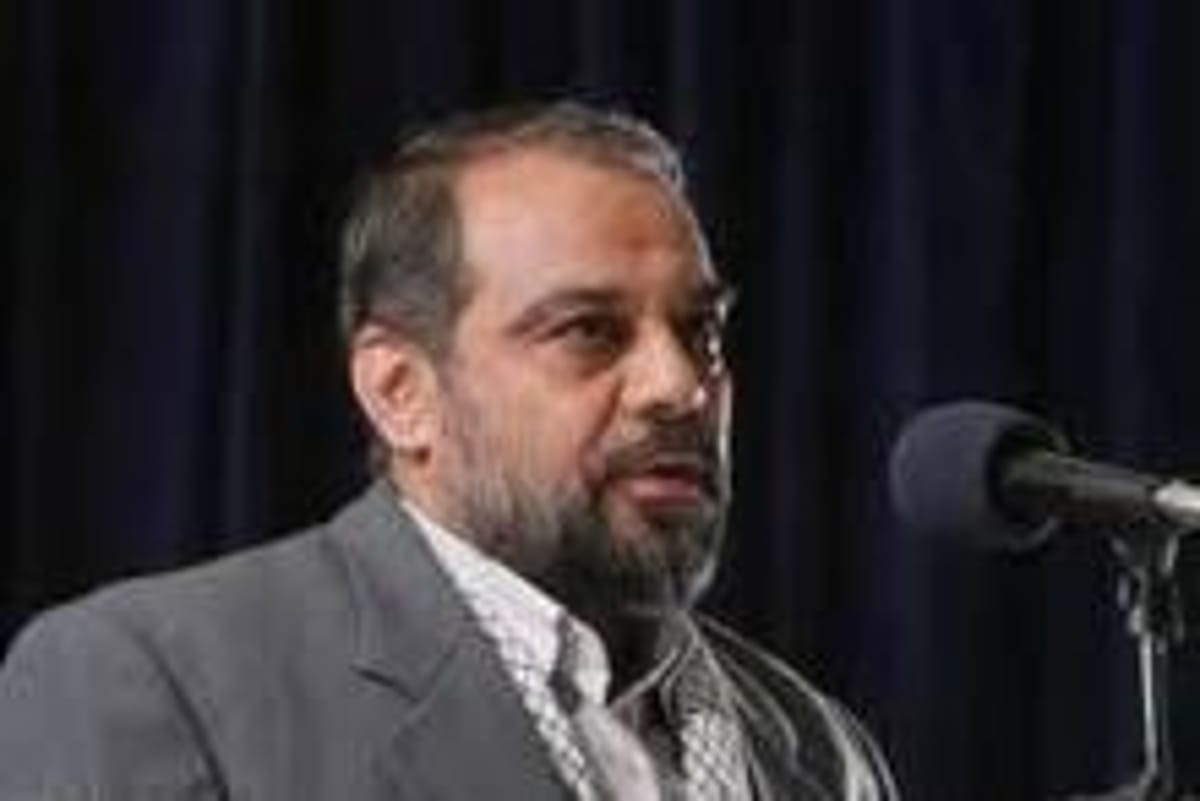
The administration in Washington is currently demanding the complete surrender of Iran's remaining stockpiles of highly enriched uranium as part of any final settlement. In response to these sweeping assertions, Secretary Mohammad Baqer Zolghadr delivered an official statement warning that the current tone of the White House could trigger a severe security reaction. "Speak to the Iranian people with respect, or we will respond to you in another language," the senior security official warned.
Zolghadr dismissed the statements as delusional and pointed out that the local population has historically refused to bend to foreign intimidation. He added that similar aggressive terminology had been utilized by past American administrations to target their millennia old civilization. The ultimate result for Washington, according to the security official, has always been strategic defeat, desperation, and urgent requests for ceasefires.
The public clash coincides with a recent leaked intelligence report indicating that Tehran and Oman are quietly collaborating to bypass the long term economic pressures imposed by the American naval presence. Diplomatic sources revealed that Oman recently submitted an official proposal to several Western nations that would authorize the collection of mandatory service fees from commercial shipping vessels navigating through the strategic Strait of Hormuz.
An official familiar with the position of the United States administration confirmed that Washington's negotiating team received the Omani document but harbors deep reservations about the legality of the maritime fee system. The controversial maritime proposal is expected to serve as a central focus of upcoming talks between United States intermediaries and Omani officials as the broader regional war continues to impact international trade.