Then and Now

Who's The Boss?: Navigating the Frail US-Israel Alliance

Decades of shifting diplomatic alliances forced Israeli leaders to navigate wisely betwwen intense US president's pressure and a persistent struggle over geopolitical independence. First article in the series

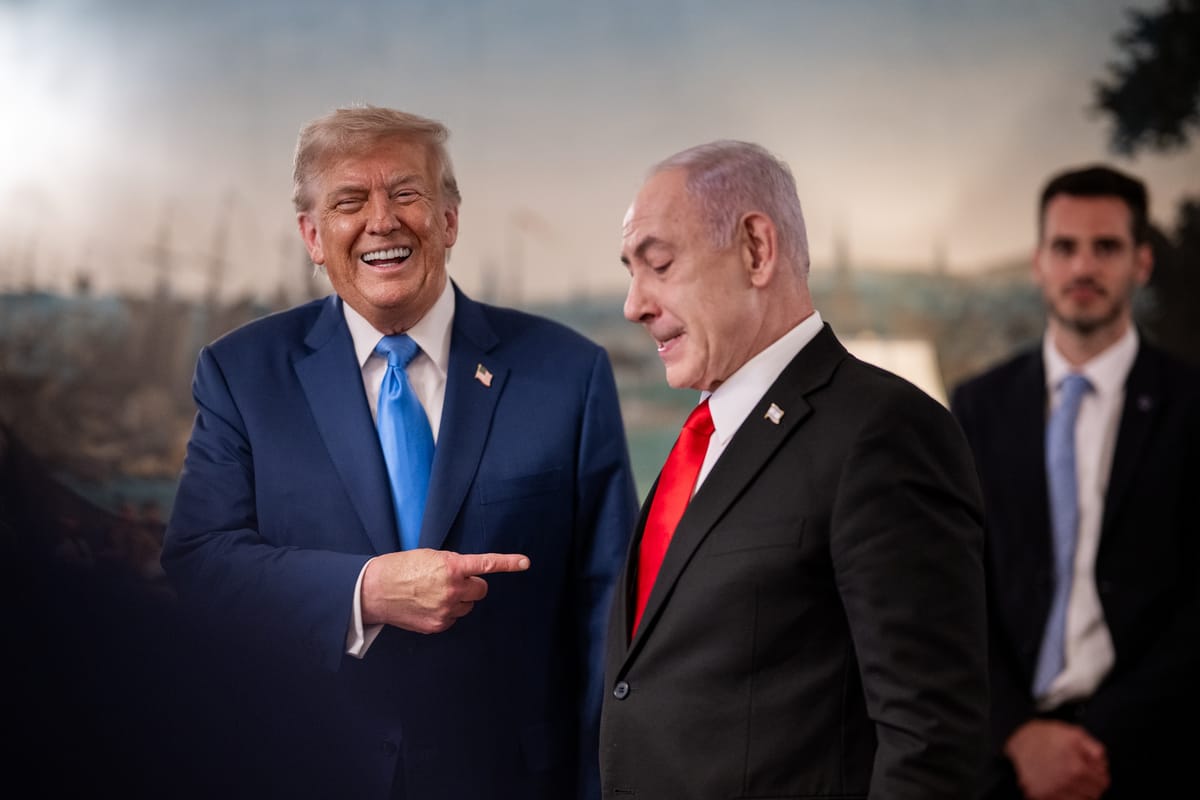
President Donald Trump and Israeli PM Benjamin Netanyahu

US and Israel relations have historically oscillated between steadfast cooperation and deep strategic friction. While recent political alignments have offered moments of strong American backing, Prime Minister Benjamin Netanyahu remains acutely aware of the systemic vulnerabilities underlying the alliance.

Decades of diplomatic friction have consistently resurfaced a tense, underlying question regarding which nation ultimately dictates Israel's geopolitical course and international standing.
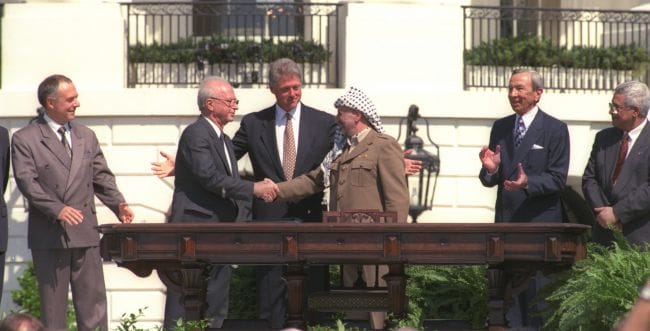
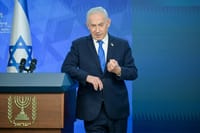
The Oslo Accords
The Oslo Accords (Photo: Avi Ohion, Government Press Office)

The Bill Clinton Era

The roots of the modern friction trace back to the Clinton's administration, which marked a historic peak in Israeli-Palestinian peace efforts but also introduced profound domestic polarization within Israel.

President Bill Clinton successfully brokered the Oslo Accords on the White House lawn with prime minister Yitzhak Rabin and PLO Chairman Yasser Arafat, but the subsequent domestic backlash and rising societal hostility culminated in Rabin’s assassination.

While Clinton forged a deep personal bond with Rabin And calld him a partner and a friend on the path to peace, subsequent peace initiatives under leaders like Ehud Barak, President George W. Bush, and President Barack Obama struggled to replicate that momentum, often leaving Israel to navigate intense international pressure.

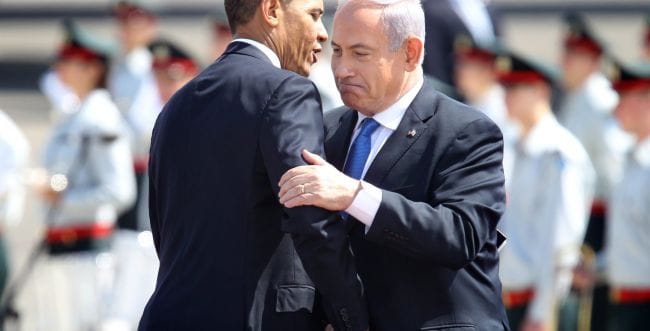
Netanyahu and Obama
Netanyahu and Obama (Photo: Miriam Alster/Flash 90)

The Obama Friction

Diplomatic relations reached an unprecedented low during the Obama's administration, characterized by overt ideological clashes over settlement construction and the Iranian nuclear threat.

President Barack Obama took a highly assertive approach toward Israel, leading to sharp confrontations with Netanyahu, including a famously tense 2010 White House meeting.

In his book "The Promisd Land", Obama later characterized Netanyahu as a smart, transactional leader who framed himself as the ultimate defender of the Jewish people for political gain.

Netanyahu's subsequent decision to address Congress in an unsuccessful bid to block the Obama administration's nuclear deal with Iran, cemented a bitter partisan divide though the accord eventually collapsed.

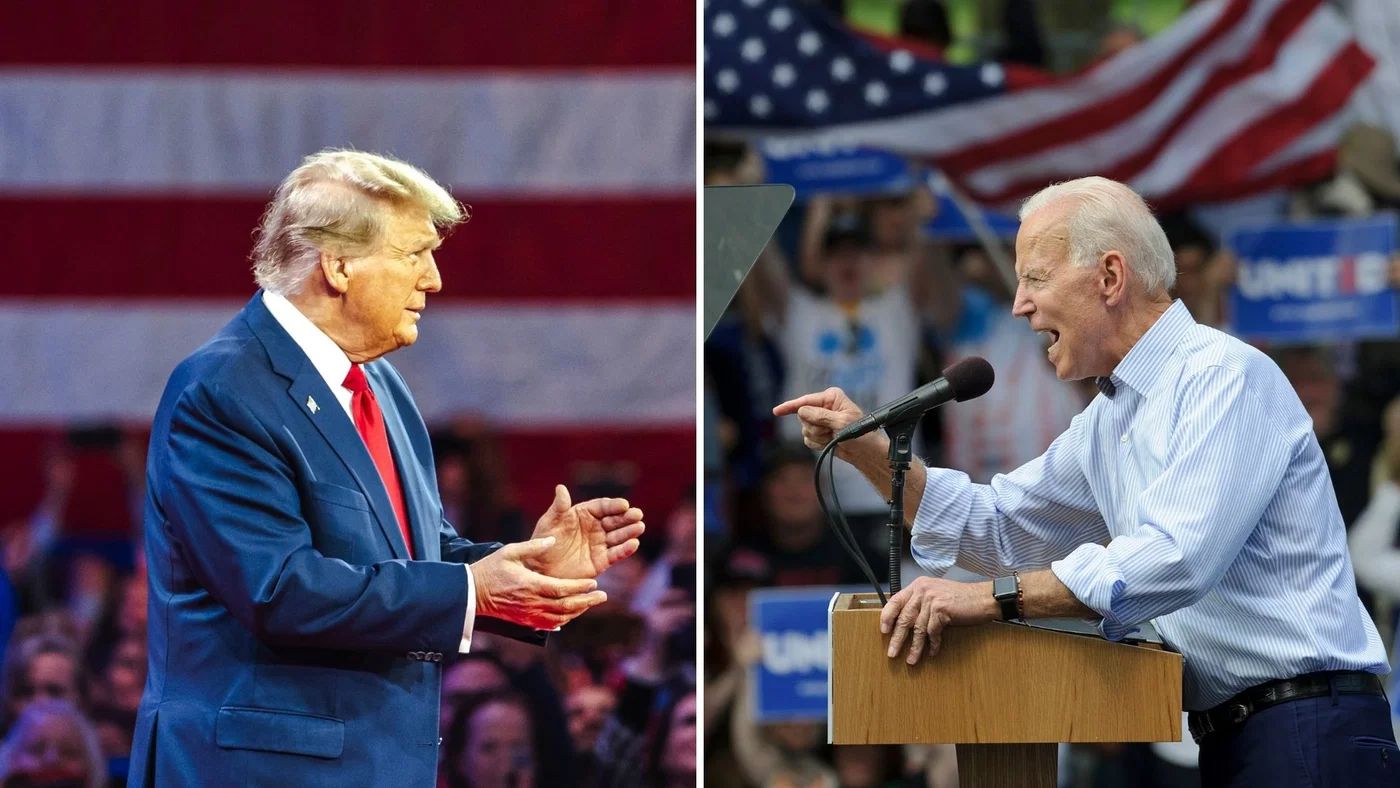
Donald Trump, Joe Biden
Donald Trump, Joe Biden (Photo: Shutterstock )

Trump Knows Who's The Boss

The volatile nature of the alliance became even more pronounced during the Biden and Trump presidencies.

Netanyahu faced severe friction with President Joe Biden over judicial reforms and wartime restrictions on weapons shipments during the war against Hamas, despite critical US vetoes at the UN Security Council.

While Donald Trump’s return to the White House initially signaled a resurgence of unconditional support, recent unilateral US diplomatic maneuvers regarding Iran have bypassed Israeli leadership entirely.

Trump’s recent public assertion that Netanyahu sought a meeting because "he knows who's the boss" underscores a persistent reality where Washington continues to demand ultimate obedience. One thing is for sure: Trump knows who's the boss, and he will make sure that Netanyahu does not forget it until the end of his term.

Ready for more?

Join our newsletter to receive updates on new articles and exclusive content.

We respect your privacy and will never share your information.

Enjoyed this article?

Yes (41)
No (2)
Follow Us:

Unmissable content


Loading comments...

Also of Interest