The ongoing geopolitical standoff between the United States and the Islamic Republic of Iran reveals a fundamental paradox in modern international relations. When measuring raw material capabilities, conventional military assets, or absolute economic weight, the Shia terror state appears to possess no realistic parity against Washington or its regional allies. Despite this staggering material disadvantage, Tehran has consistently managed to convert its structural vulnerabilities into durable diplomatic leverage and resilient bargaining power.
This strategic durability does not stem from an inherent cultural superiority, but rather from a calculated exploitation of the fundamental differences between democratic governance and an authoritarian revolutionary regime. Western superpowers operate under the immense pressure of fixed election timelines, rapid news cycles, intense congressional oversight, volatile energy markets, and the constant political necessity to deliver immediate results. Tehran recognizes this systemic impatience and purposefully forces a glacial pace to extract maximal concessions from exhausted Western intermediaries.
A look at the historical timeline highlights how this asymmetric dynamic functions during major international agreements. On July 14, 2015, Iran and the P5+1 nations signed the Joint Comprehensive Plan of Action, establishing strict monitoring parameters over Persian nuclear infrastructure in exchange for phased sanctions relief. This framework was further solidified on July 20, 2015, when the United Nations Security Council adopted Resolution 2231 to govern global compliance.
The structural fragility of the accord became apparent in 2018 when the United States unilaterally withdrew from the agreement and reinstated a severe maximum pressure sanctions campaign. While the exit aimed to cripple the regime, it inadvertently provided Tehran with a permanent diplomatic talking point to justify its future non compliance and aggressive enrichment steps. Ensuing indirect talks hosted in European venues during 2021 and 2022 completely failed to yield a breakthrough as Iranian negotiators refused to make irreversible concessions to a fluctuating democratic administration.
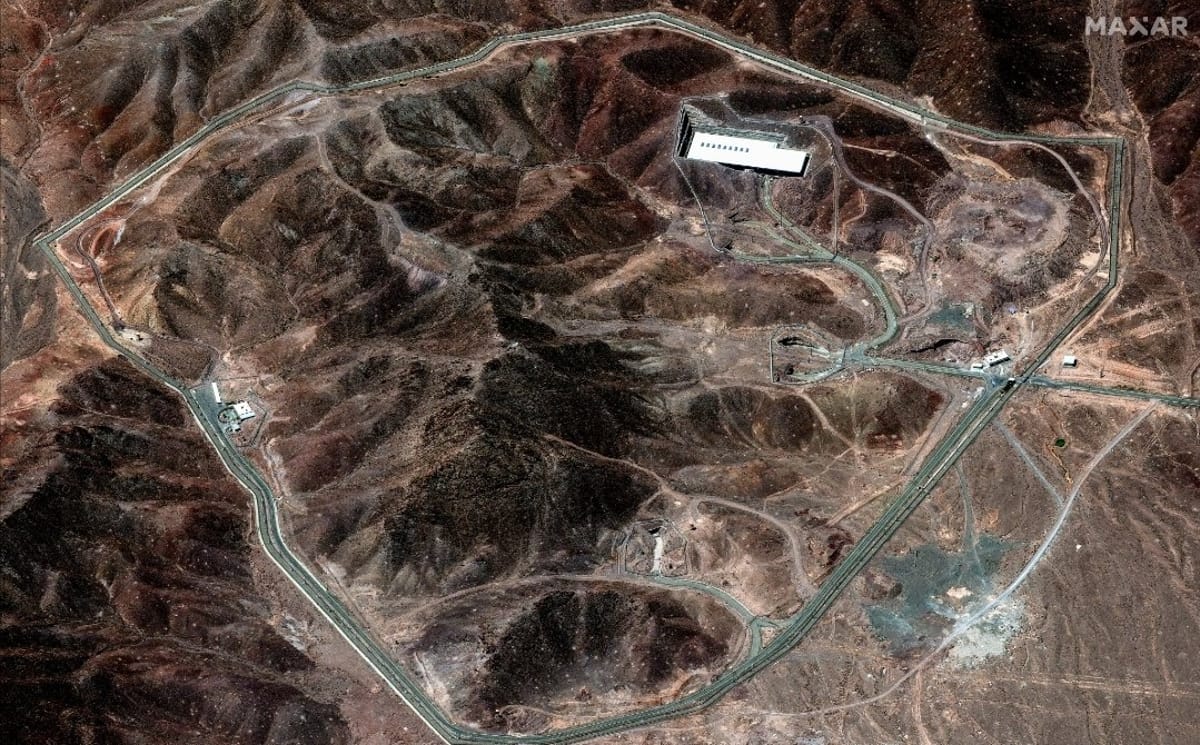
By June 2025, the regional security environment deteriorated significantly when the International Atomic Energy Agency officially announced that direct military operations targeting internal nuclear facilities had completely halted its physical monitoring capabilities on the ground. This development illustrated the limits of Western kinetic options, confirming that while superior military power can temporarily disrupt physical assets, it cannot permanently erase the underlying strategic motivations of the Iranian regime.
The core of the problem lies in Washington's tendency to reduce its regional doctrine to a binary choice between an imperfect diplomatic accord or a high risk regional war. This narrow framework ignores the vast network of asymmetric proxy forces, political non state actors, and institutional safe havens that Tehran has cultivated across weakened regional states to keep warfare far from its own borders. Furthermore, the internal friction between the Islamic Revolutionary Guard Corps and the formal foreign ministry allows the state to project a dual image of a willing diplomatic partner and a volatile military threat.
Ultimately, Iran succeeds because its adversaries frequently confuse overwhelming physical power with a coherent long term strategy. While Washington possesses the absolute capacity to exact a devastating material price from Tehran, the American government routinely fails to define the exact political order it wishes to establish after that force is deployed. Until the Western coalition establishes a unified, patient, and multi layered regional security architecture, every diplomatic round will continue to offer the terror state another opportunity to dictate the narrative and expand its strategic boundaries.