

AI Power Strain

"The World Could Pay Heavily": The Dramatic Price of Artificial Intelligence Agents

A new study by KAIST reveals the massive energy cost of autonomous AI systems, which consume up to 136.5 times more electricity per query compared to regular chatbots

A robot using the internet. Illustration.

While technology companies rush to implement advanced AI agents, which are systems capable of performing complex tasks independently, a new study from South Korea raises significant warning signs regarding the energy price of this revolution.

The study, conducted at KAIST University, found that artificial intelligence agents consume up to 136.5 times more electricity per query compared to regular chatbots.

The reason for this lies in the nature of their operation: unlike systems that provide a single answer, AI agents operate in repetitive loops, planning, searching for information, performing calculations and making decisions sometimes across dozens of steps.

Blackout. Illustration.
Blackout. Illustration. (Photo: DesignRage/Shutterstock)

High Energy Demand

According to the data, a single complex query using a large model of 70 billion parameters can consume an average of about 348 watt-hours. In addition, the processing time of such agents can be 150 times longer or more compared to a regular chatbot, with a significant portion of the time wasted waiting for answers from external sources while graphics processing units continue to consume electricity.

The significance on a global scale is particularly dramatic. The researchers estimate that if the use of AI agents reaches about 13.7 billion requests per day, the electricity consumption of data centers could reach about 199 gigawatts, which is almost half of the electricity consumption of the entire United States.

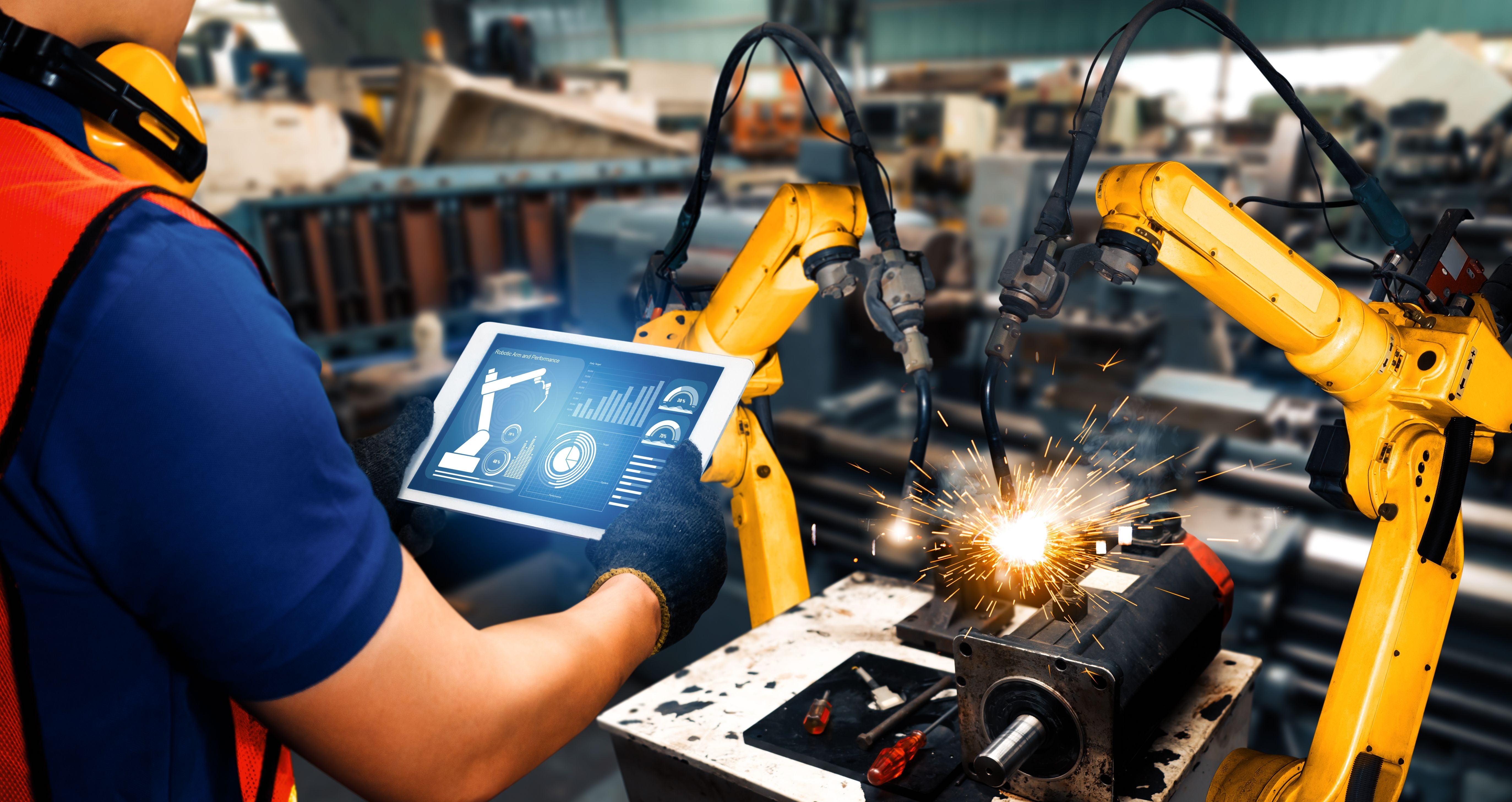
Manufacturing. Illustration.
Manufacturing. Illustration. (Photo: Summit Art Creations/Shutterstock)

Rising Infrastructure Pressure

For comparison, data centers in the US consumed about 176 terawatt-hours in 2023, which is about 4.4% of national electricity consumption. However, according to forecasts by the International Energy Agency, global consumption is expected to double by 2030 anyway, and the transition to autonomous AI could accelerate the trend far beyond expectations.

Limits of Software

The researchers warn that it is impossible to rely solely on software improvements to deal with the challenge. According to them, a fundamental change is required, including the development of more efficient models, energy-saving chips, and power infrastructure adapted to the new era.

The global race to develop AI agents is only at its beginning, but it is already clear that the question is not only what the technology is capable of doing, but whether the world can afford to run it.

Ready for more?

Join our newsletter to receive updates on new articles and exclusive content.

We respect your privacy and will never share your information.

Enjoyed this article?

Yes (45)
No (2)
Follow Us:

Unmissable content


Loading comments...

Also of Interest