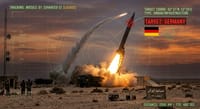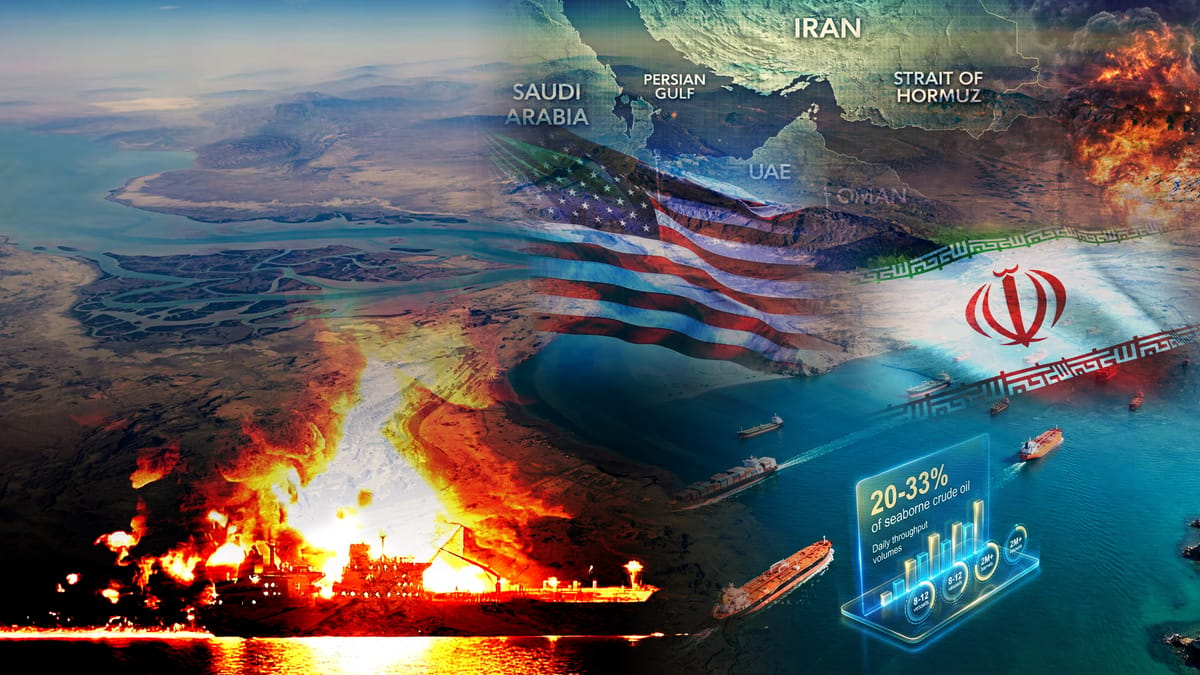
A major escalation has transformed the security architecture of the Middle East maritime corridors following a series of coordinated military strikes executed by Iranian forces. The Islamic Revolutionary Guard Corps launched consecutive drone and projectile operations targeting international merchant vessels navigating the critical Strait of Hormuz. The aggressive maritime maneuvers occurred precisely as United States President Donald Trump arrived in Ankara for formal discussions with Turkish President Recep Tayyip Erdogan, raising immediate questions regarding whether Tehran timed the strikes to exploit a temporary diplomatic distraction in Washington.
The sudden surge in hostility represents a severe escalation following the official expiration of a week long mutual understanding between the United States and the Islamic Republic to avoid direct tit for tat military engagements. With the temporary bilateral arrangement now concluded, Iranian forces have moved aggressively to project absolute authority over global shipping lanes. The latest incursions bring the total number of commercial vessels targeted within a narrow twenty four hour window to four distinct international tankers.
According to formal tracking data published by the United Kingdom Maritime Trade Operations agency, the newest maritime strikes occurred during daylight hours along the Omani sector of the shipping corridor. Regional security monitors confirmed that two separate commercial tankers were successfully intercepted and struck by unmanned aerial platforms launched from Iranian positions. One merchant vessel sustained direct hull impacts from an unidentified projectile barrage, while a second nearby cargo ship was struck by a sophisticated one way attack drone. While both transiting commercial vessels suffered measurable physical infrastructure damage, no human casualties have been reported from either target location.
The tactical objective of the Islamic Revolutionary Guard Corps appears centered on forcing total international compliance with localized maritime regulations engineered by Tehran. Regional maritime intelligence suggests that Iranian naval forces are actively channeling commercial maritime traffic away from standard international transit routes and directly into a singular narrow passage that has been systematically cleared of sea mines by local authorities. By forcing global merchant fleets into these specific corridors, the regime is effectively establishing a permanent choke point to monitor, inspect, and intercept all western shipping.
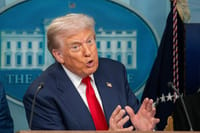
Despite the rapid accumulation of attacks against global energy supply chains, the administration in Washington has so far refrained from ordering any kinetic military responses. This policy of tactical restraint coincides with intense verbal warnings traded between the two adversaries over the preceding twenty four hours. The diplomatic friction peaked after Donald Trump issued a sweeping warning regarding the absolute vulnerability of the Persian industrial grid, asserting that the United States military maintains the capacity to destroy all internal energy facilities in a single afternoon.
The aggressive statements coming from the White House have brought ongoing back channel negotiations to the absolute brink of collapse. Iranian Foreign Minister Abbas Araqchi reacted sharply to the public pressure, explicitly threatening to terminate all active diplomatic communications with United States intermediaries. The dual reality of burning tankers in the Strait of Hormuz and frozen talks in European diplomatic channels presents a critical test for the White House as regional shipping networks brace for further escalation.