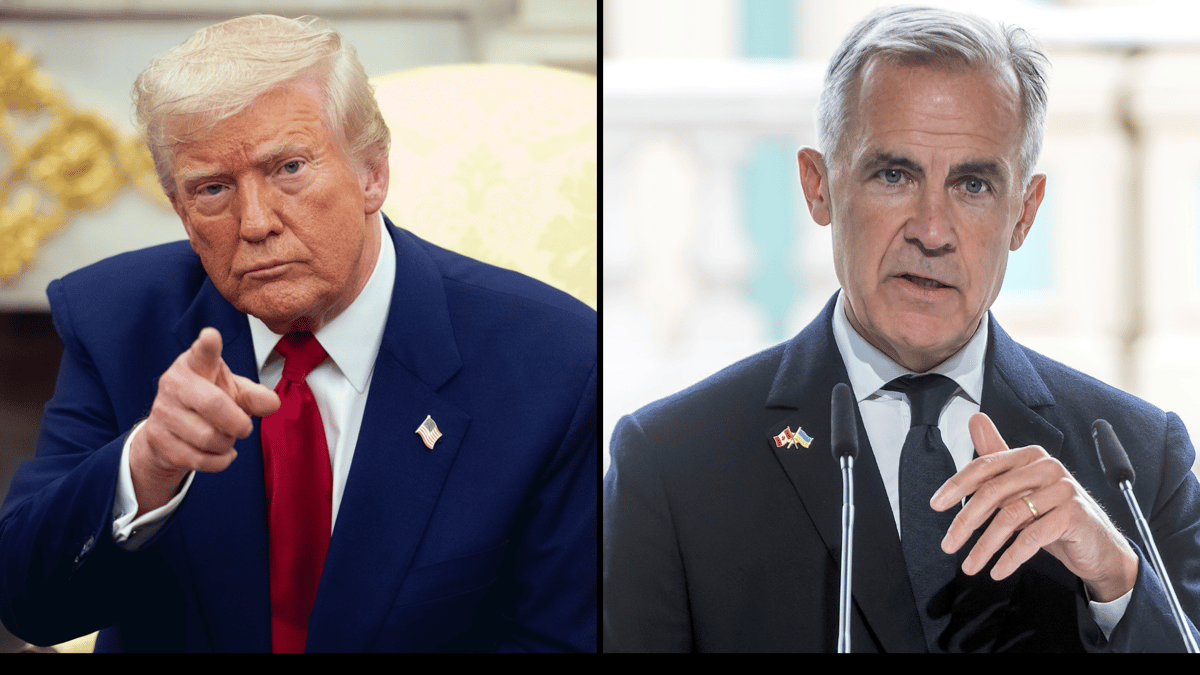
Trump continued his criticism, declaring that Canada "will no longer be treated like a state within the U.S.!" He characterized Canada as "among the worst nations in the world to deal with" on trade and other matters.
"They feel entitled, and yet, we don't need Canada, they need us! They do 95% of their business with the U.S., with us, and the opposite is true!" the American president wrote.
The Canadian automotive market is significantly smaller than America's: fewer than 2 million new vehicles were sold in Canada in 2025, compared to more than 16 million sold in the United States. Only 5.4% of vehicles manufactured in Canada, approximately 861,000 units, were sold in the U.S. last year.
Detroit automakers have reduced their Canadian production in recent years, while Japanese manufacturers like Toyota and Honda have significantly expanded theirs. Toyota and Honda accounted for 76.5% of Canadian vehicle production in 2025, with each producing more vehicles in Canada than Ford, General Motors, and Stellantis combined.
Trump's tariff policy creates major uncertainty for automakers whose supply chains were built on free trade between the nations. The decision is expected to significantly impact the automotive industry in both countries and consumer prices.