Get our mobile app
Download on the App StoreGet it on Google Play

US-North Korea Relations

Trump Seeks Kim Summit Amid Missile Tests

US president pursues renewed engagement with North Korean leader, but Pyongyang answers with ballistic missile launches and demands for major policy shifts before any meeting

Trump and Kim Jong Un

President Donald Trump is attempting to revive his personal relationship with North Korean leader Kim Jong Un, but the path to renewed diplomacy is proving far more complicated than anticipated. While Trump posts flattering messages and photographs on social media and scales back joint military exercises with South Korea, Pyongyang has responded with missile launches and set stringent conditions for any future meeting.

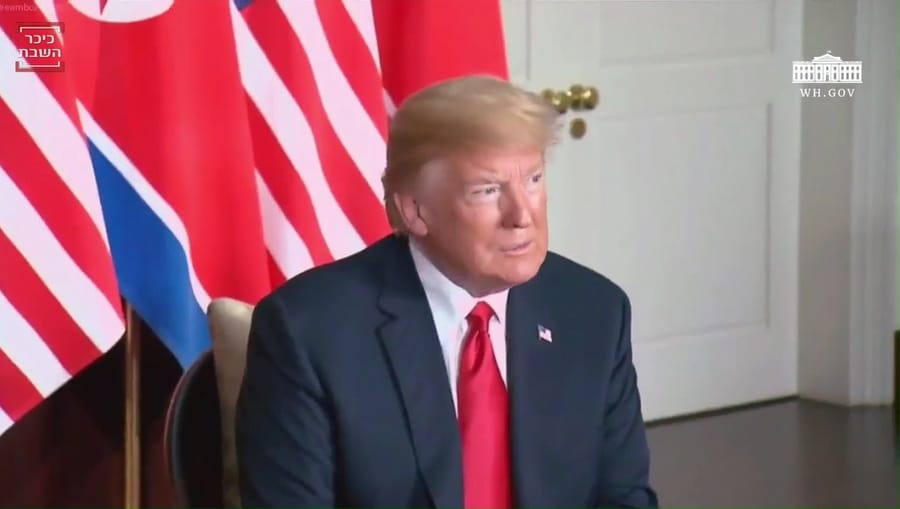
According to Reuters, Trump is pressing his aides to arrange a meeting with Kim as early as fall 2026, possibly during a gathering of world leaders in China this November. As part of efforts to reduce tensions, the president ordered a reduction in the scope of joint military exercises with South Korea, noting that the decision was made "based on my very good relationship with Kim Jong Un."
Pyongyang's response has been decidedly cold. Days after Trump called Kim "respectful" and said he had responded to his outreach, North Korea launched more than ten short-range ballistic missiles toward the sea. According to South Korea's military, the missiles were fired from the Pyongyang area and traveled approximately 300 kilometers.

Kim Yo Jong, Kim Jong Un's sister and a key figure in the regime, dismissed the reduction in military exercises and claimed that US policy toward North Korea remains hostile. "If the United States tries to present the steps it has taken as some kind of 'gesture of good will,' it will not receive the response it expects," she said in an official statement.

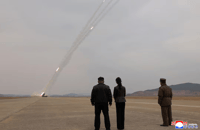
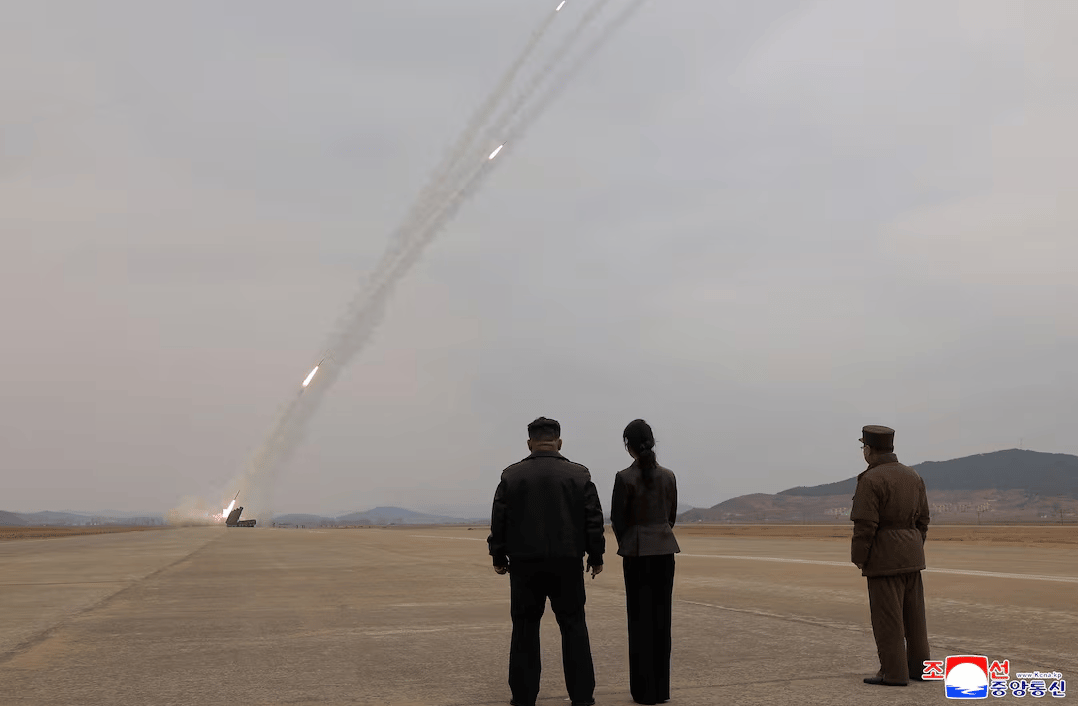
Kim Jong Un and his daughter
Kim Jong Un and his daughter (Photo: North Korea)

Experts warn that North Korea has set an extremely high bar for any future summit. Jenny Town, a senior fellow at the Stimson Center in Washington, told Reuters that Pyongyang is demanding fundamental changes in US policy, including removal of elements it views as hostile, recognition of its nuclear status, or at least a declaration that denuclearization is no longer an American objective.

"How far Trump is willing to go to meet these conditions in order to secure the meeting within his self-imposed timeframe - that's an open question," Town noted. A State Department spokesperson clarified that "the United States remains committed to the complete denuclearization of North Korea."

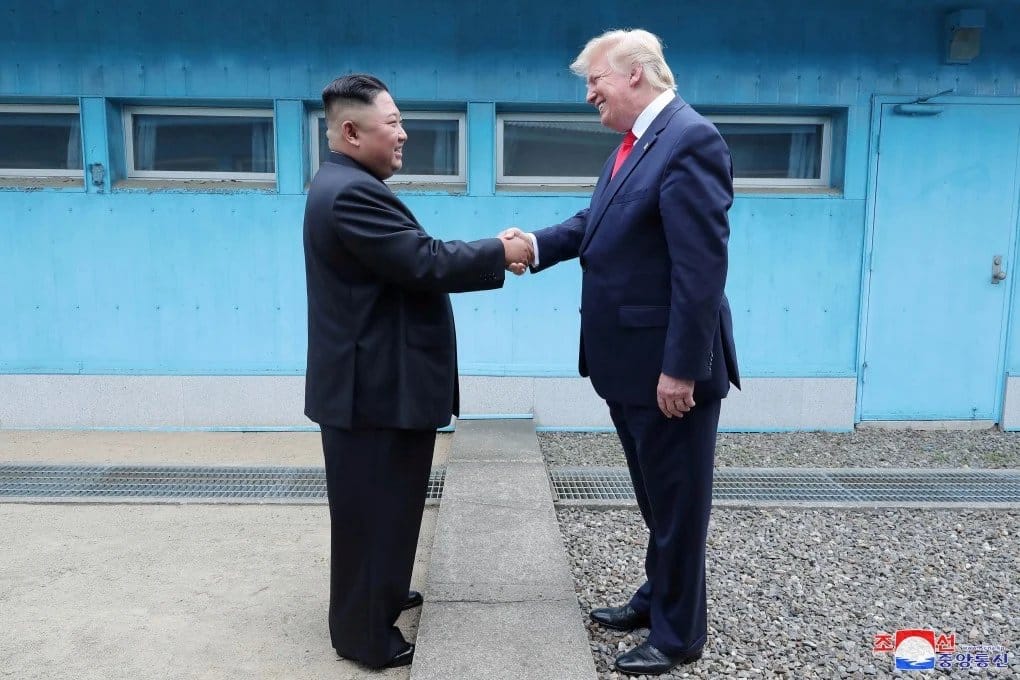
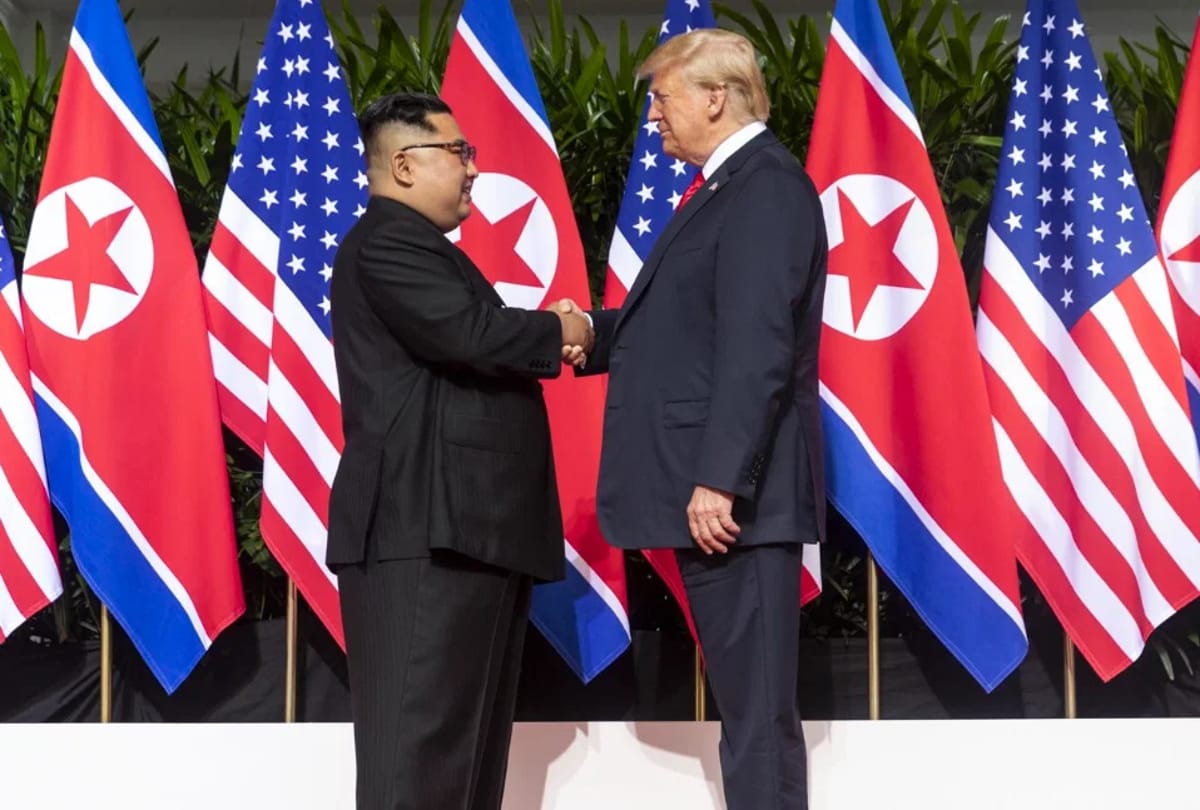
On June 12, 2018, Trump and Kim met in Singapore at a historic summit.
On June 12, 2018, Trump and Kim met in Singapore at a historic summit. (Photo: The White House)

The complexity deepens given the gap in assessments of North Korea's nuclear arsenal. While Trump recently stated that Kim possesses 57 "very powerful" nuclear weapons, South Korea's Defense Minister Ahn Gyu-baek told lawmakers that the prevailing estimate is that Pyongyang has between 80 and 120 nuclear warheads.

The dramatic discrepancy, with Seoul's lower estimate significantly exceeding Trump's figure, points to the ongoing uncertainty surrounding North Korea's nuclear program. Experts rely on intelligence, estimates of fissile material stockpiles, and satellite imagery, but absolute certainty remains elusive.

Trump's decision to scale back military exercises has caused unease in South Korea. The annual drill, originally scheduled to last 11 days with 18,000 troops participating, is considered a central component of military readiness against North Korea. Officials in Seoul hope that Trump's personal rapport with Kim might help bring both countries back to the negotiating table, but warn that reducing exercises could undermine deterrence and operational preparedness.

Professor Lim Eul-chul of the Institute for Far Eastern Studies at Kyungnam University explained that Pyongyang is making clear that the personal relationship between leaders will not compromise security interests or efforts to strengthen military capabilities. "In other words, Pyongyang is signaling that personal diplomacy has limits and will not supersede strategic priorities," he said.

Trump himself also linked reducing the exercises to anger at South Korea, after it refused to support the American initiative to denuclearize Iran. "They said 'no thank you!'" the president wrote, highlighting a deep rift with the Asian ally.

Ready for more?

Join our newsletter to receive updates on new articles and exclusive content.

We respect your privacy and will never share your information.

Enjoyed this article?

Yes (30)
No (1)
Follow Us:
1

Unmissable content


Loading comments...

Also of Interest