Get our mobile app
Download on the App StoreGet it on Google Play

Maximum Pressure Campaign

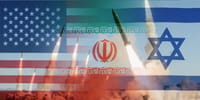
US Aims to Collapse Iran Regime via Sanctions

Scott Besent says upcoming measures represent "double punch" of blockade and harshest sanctions in history, as Trump declares "economic D-Day" against Tehran

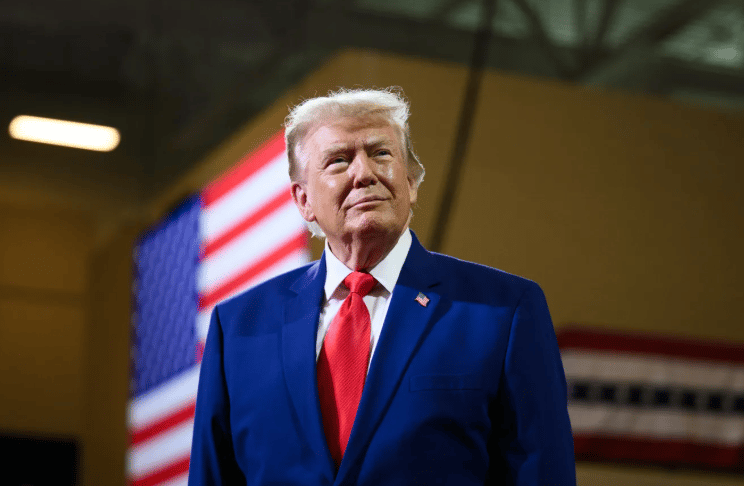
President Trump

US Treasury Secretary Scott Bessent openly stated Thursday that Washington's forthcoming economic measures against Iran are designed to bring down the country's clerical regime. Speaking to CNBC, he described the strategy as a "double punch" combining a blockade with what he called "the harshest sanctions in history," adding bluntly: "We are going to collapse this regime."

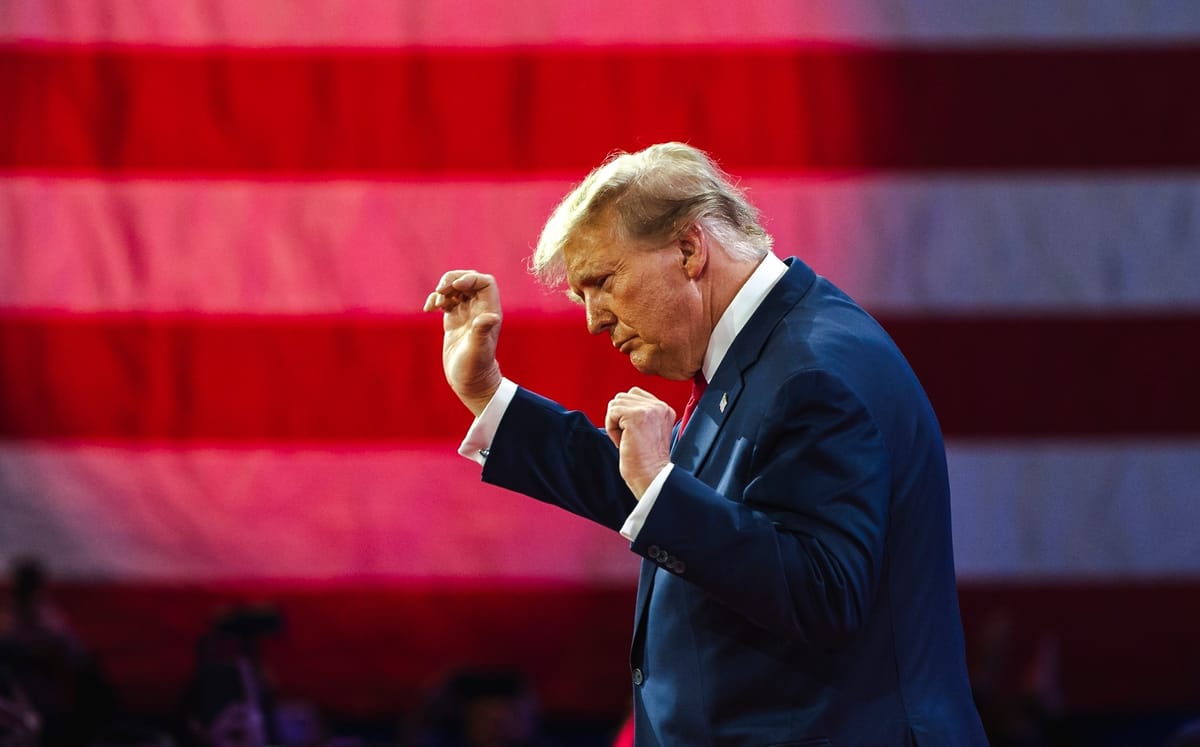
The declaration came hours after President Donald Trump announced what he termed an "economic D-Day" against Iran, invoking the World War II Allied invasion of Normandy to describe the scale of the campaign. Trump warned that any country continuing to trade with Iran would "face massive economic consequences itself."

In his interview, Bessent detailed that the new sanctions package, set to be unveiled at a press conference Monday, will impose severe economic penalties on nations that maintain commercial ties with Tehran. "It's time for our allies and the rest of the world to make a decision," he said. "You're either with us or against us. If you insist on doing business, whether that's moving money, buying their oil, or conducting ship-to-ship transfers at sea, the US Treasury and the US administration will use their full power and strength to enforce this against you."
The China Question

When asked whether China would face punishment if it continues purchasing Iranian oil, a move that could reignite trade tensions with Beijing following a recently reached agreement, he declined to answer directly. "Consider that the Chinese get 50% of their energy from the Gulf," he noted. "So it would do them a great service to cooperate." China maintains close ties with Iran and has reportedly been considering sending military equipment to Tehran.

According to a Wall Street Journal report published this month, Iran has already shifted into "survival economy" mode, rationing scarce goods, restricting access to foreign currency, cutting investments, and transferring more of the economic burden onto households. The American newspaper cautioned that the Trump administration's new strategy "rests on a dangerous assumption that Iran will break before Washington breaks," especially with oil prices remaining high ahead of November's midterm elections.

Sources in intermediary countries warned, according to the report, that Iran has lived under sanctions for years, and betting that Tehran will compromise due to economic pressure is unlikely to yield results. Instead, they argue, Iran is more likely to escalate its attacks to raise the cost for Washington and its allies.

Iran: "Economic Terrorism"

Iranian officials continue issuing defiant statements. The Foreign Ministry in Tehran declared that "US economic sanctions against Iran, which target the basic human rights of every citizen, are an example of economic terrorism and a crime against humanity." The statement added: "Iran is steadfast and determined in defending its security and national interests. Iran will use all means and capabilities to repel the Zionist-American enemy and protect its national interests."

Deputy Foreign Minister Kazem Gharibabadi said: "They claim Iran is on the verge of collapse, yet they beg for help from all their allies. The problem lies in miscalculations. Military warfare failed. Now they've named the next failure economic warfare." Foreign Minister Abbas Araghchi responded on X: "The so-called 'economic D-Day' is a distraction from America's own crisis: unprecedented debt and soaring interest costs. American economic terrorism threatens the global economy and sovereignty worldwide."

Despite Iran's defiant rhetoric and attempts to project strength, mounting economic pressure is taking its toll. President Masoud Pezeshkian has repeatedly stated that Iran must move beyond the current situation of "neither war nor peace," though it remains unclear how much power he wields in the current regime, where hardline Revolutionary Guard generals hold significantly more influence than in the past.

Ready for more?

Join our newsletter to receive updates on new articles and exclusive content.

We respect your privacy and will never share your information.

Enjoyed this article?

Yes (6)
No (0)
Follow Us:

Unmissable content


Loading comments...

Also of Interest