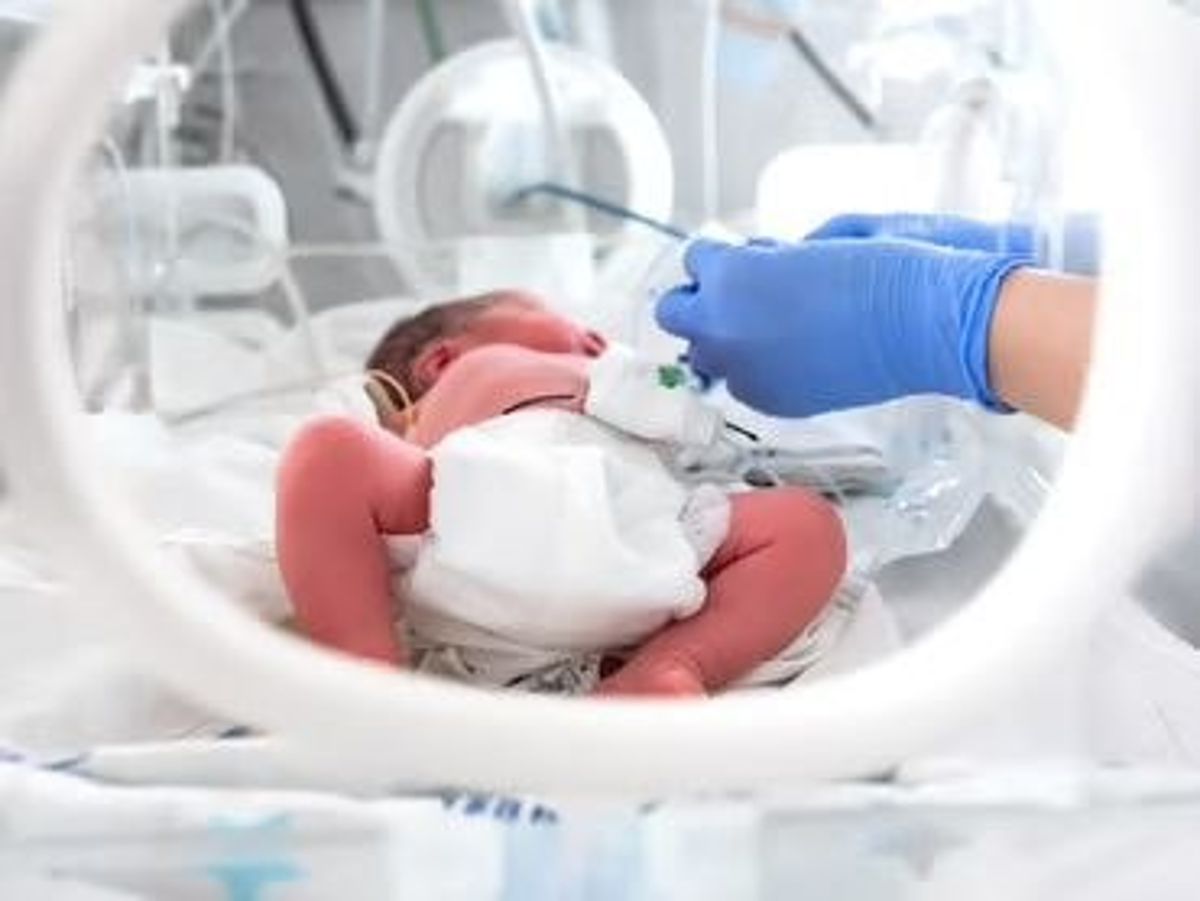
Medical staff at Hadassah Mount Scopus Hospital in Jerusalem have treated two newborns in critical condition over the past two weeks, both cases stemming from planned home births. The infants required urgent intervention from pediatric emergency, neonatology, and neonatal intensive care teams.
In the first incident, which occurred two weeks ago, a baby born at home was rushed to the hospital just one hour after delivery. The parents noticed their newborn was in severe distress and called emergency services, which transported the infant to Hadassah. Medical staff diagnosed the baby with asphyxia, a dangerous lack of oxygen and blood flow to the brain, along with respiratory distress, bluish skin discoloration, and abnormal neurological signs. In the neonatal intensive care unit, doctors connected the infant to an EEG monitor, which detected seizure activity.
Following standard protocol for such cases, the medical team initiated therapeutic hypothermia, cooling the baby's body to prevent secondary brain damage. The infant's condition has since stabilized and he remains under care in the neonatology department.
Professor Smadar Even-Tov, head of Hadassah's neonatology department, emphasized that had the birth occurred in a hospital setting, the baby would have received immediate assessment and rapid resuscitation treatment to prevent additional brain injury.
A second emergency unfolded ten days ago when parents brought their three-day-old daughter to Hadassah's pediatric emergency room. The infant had been born in a planned home birth, but her parents rushed her to the hospital after observing significant bleeding in her diaper. Physicians in the pediatric emergency department quickly determined the baby was in shock, suffering from severe acidosis and dangerously low hemoglobin levels, placing her in immediate life-threatening danger.
Under Professor Even-Tov's direction, the infant was transferred to the neonatal intensive care unit for advanced treatment. Laboratory tests revealed a vitamin K deficiency, a critical component for blood clotting, which had not been administered due to the parents' decision to decline it. Vitamin K injections have been standard practice worldwide for decades, given to all newborns immediately after birth to prevent potentially fatal bleeding disorders.
The intensive care team saved the infant's life through emergency treatment that included vitamin K and blood products, leading to significant improvement in clotting function and cessation of the bleeding.
Medical staff noted this was among the most severe cases of vitamin K deficiency they had encountered. The baby was discharged home after the treatment, no longer in danger.