Operation Cornflakes
Beyond the colorful figures from organized crime who aided the Zionist struggle, many other Jews worked tirelessly, using any means necessary to fulfill their dream and secure their people's future. One fascinating figure, still considered a procurement legend today, was Eli Shalit - at the time, just 22 years old. Shalit, grandson of a famous Jerusalem doctor and nephew of Baron Rothschild's colony manager, combined an impressive appearance with rare skills. The biggest challenge came with Operation "Cornflakes." Shalit took on a highly dangerous mission: smuggling five and a half tons of gunpowder from Mexico to Israel, under the nose of strict international supervision. The powder was purchased from a Mexican factory in a deal involving some bribery and many nodding heads of agreement.
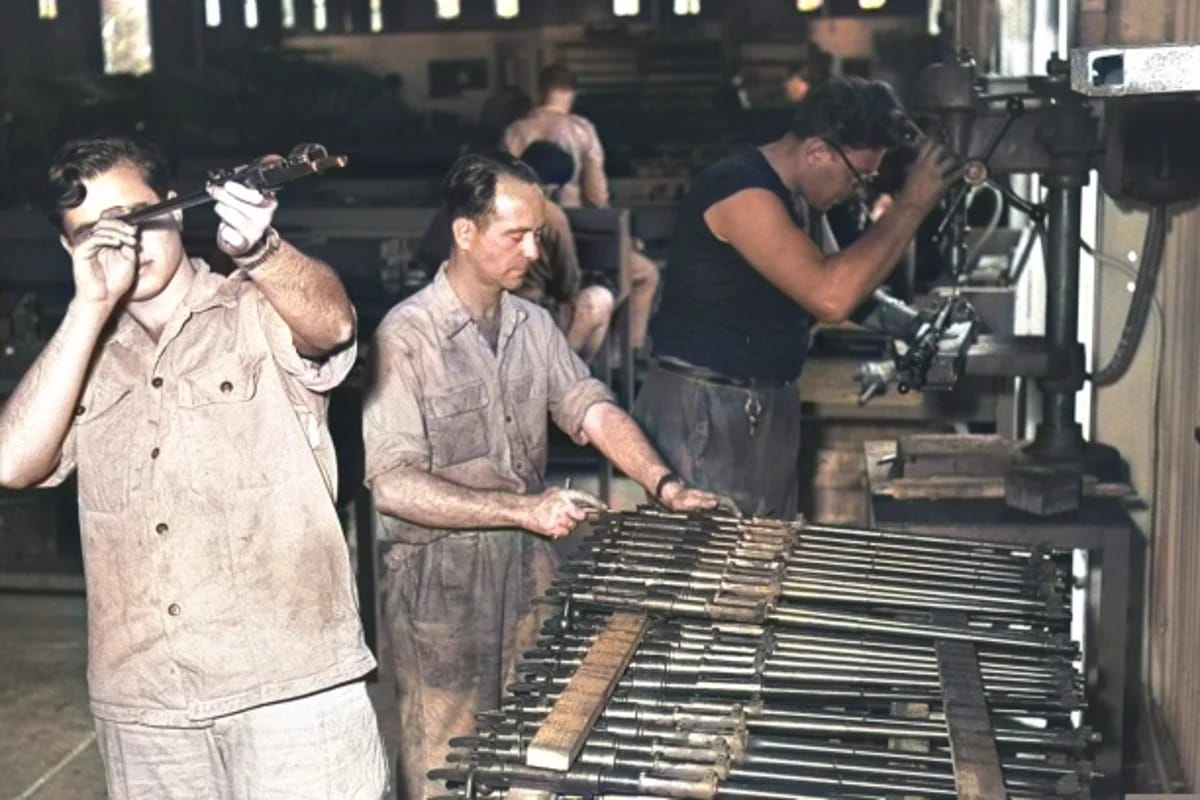
The operation was planned meticulously and in complete secrecy. Shalit, who studied agriculture and economics at Louisiana State, decided to make useful use of his acquired knowledge. Tons of gunpowder were disguised as fertilizer powder and transported in military trucks to a factory in Mexico City's suburbs. From there, the cargo continued to an isolated farm owned by a Jewish supporter before beginning its long and dangerous journey to Israel. "Cornflakes" was the whimsical codename that served as cover for yet another bold operation to help Israel.
Uncle Sam
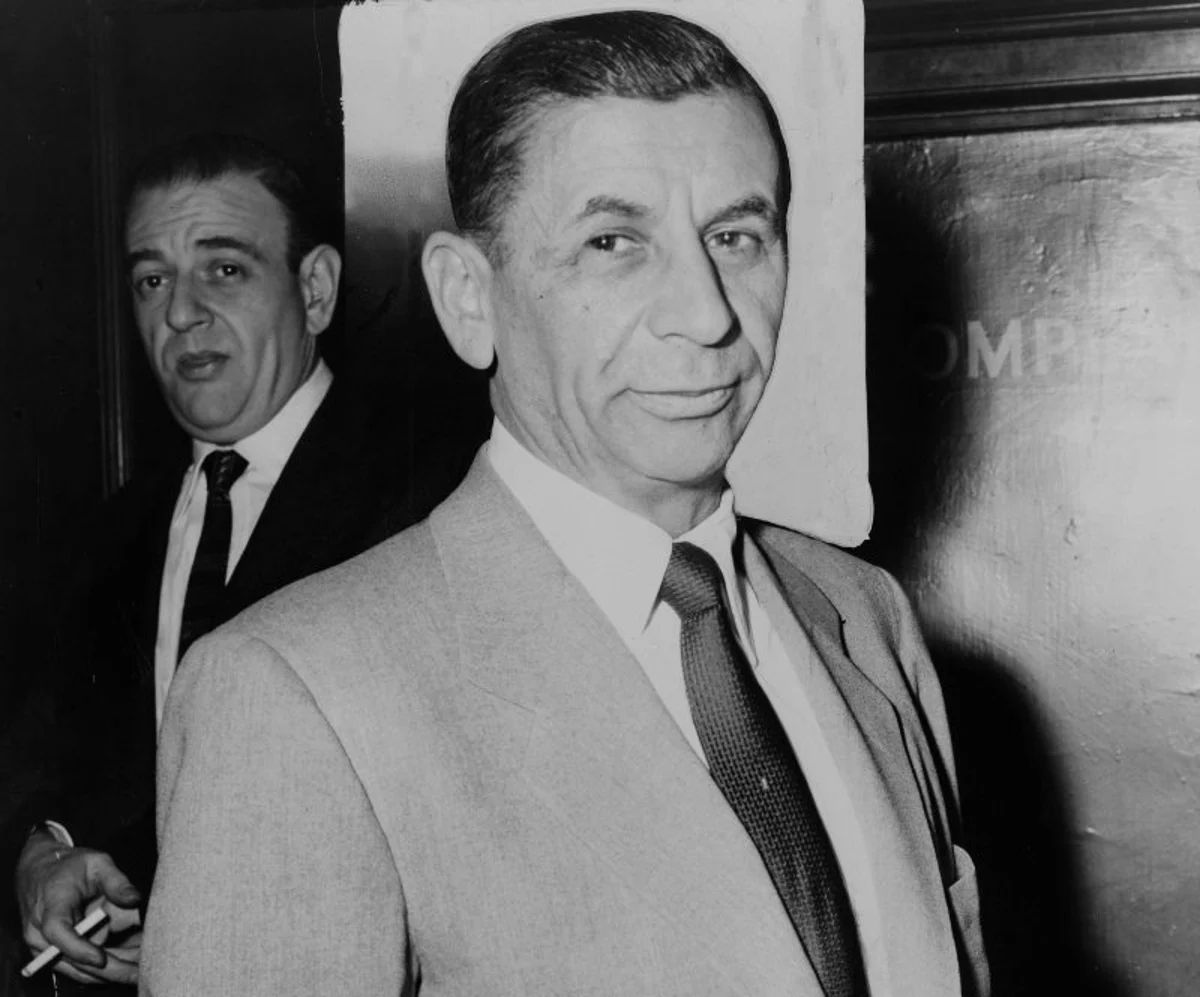
The smuggling network included figures from completely different worlds who agreed to set aside differences in class, ideology, and law (especially the latter). A notable case was the collaboration with the Jewish Mafia. Lansky, along with figures like Bugsy Siegel and Morris "Moke" Goldstein, turned the underworld into a front in the war for Israel. Mafia members helped transport cargo from unsecured ports, prevented interference from law enforcement, and kept the smuggling network under the radar. Sometimes they used bribes, sometimes threats, but were always focused on one goal – supplying weapons to the Jewish underground in Palestine.
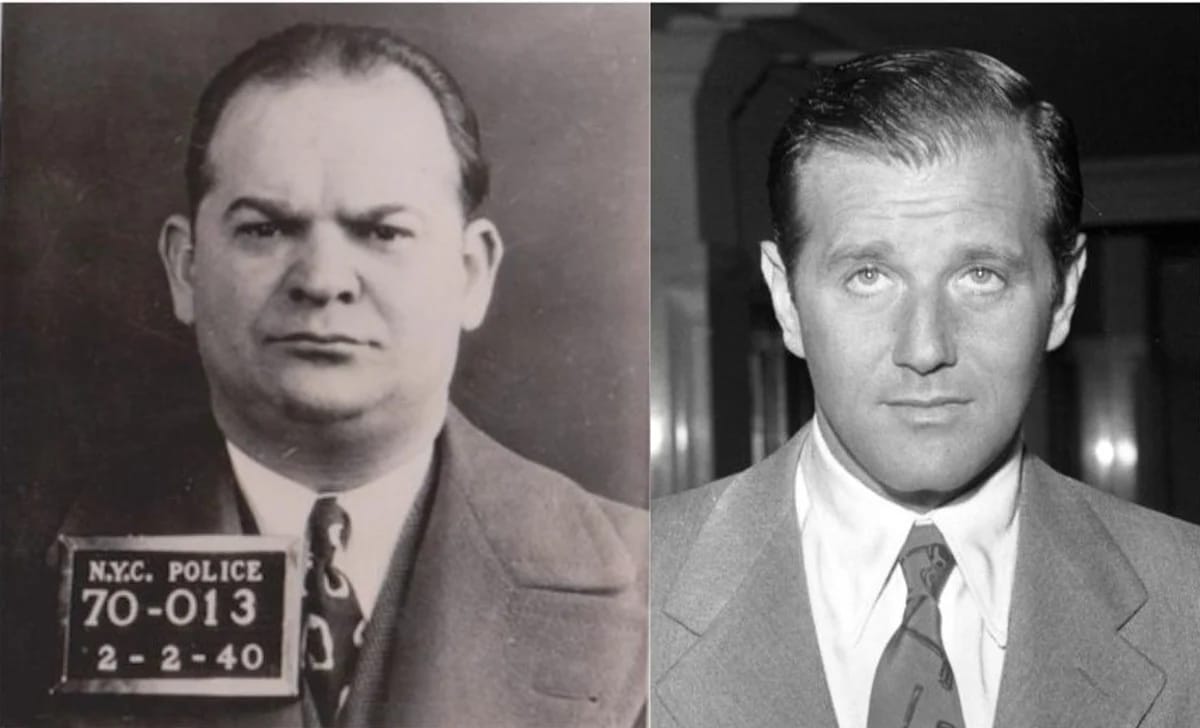
Bugsy Siegel, known primarily for his role in turning Las Vegas into the world's gambling capital, was also an enthusiastic contributor to Jewish causes. Siegel saw the Zionist struggle as an opportunity to do something truly significant, something that would outlast him. Siegel even organized a secret meeting in Los Angeles with Jewish businessmen and other gangsters to raise donations for weapons smuggling. "We can't stand by while they're fighting for their lives," he said. Within hours, he raised tens of thousands of dollars for weapons procurement for Israel. Siegel also volunteered to use his connections to transfer shipments of rifles through Mexico, from where they were sent to Palestine. "When Israel is established," he said at one meeting, "I want to know that I had a part in it."
Morris "Moke" Goldstein wasn't as famous as Lansky or Siegel, but his contribution to the Zionist struggle was critical. Goldstein, known for his skill in disappearing and evading law enforcement, became an expert in disguising weapons shipments as civilian equipment. In one operation, he loaded dozens of rifles into sewing machine crates. When port inspectors began asking questions, Goldstein hired a group of actors who pretended to be sewing factory workers. They presented forged documents and claimed they were exporting equipment to a "new factory in South America." The shipment passed successfully, and Goldstein told his friends: "If I could act in theater like I acted here, maybe I'd be a movie star."