It's still unclear whether and to what extent Israel's strike targeting Hamas leaders in Doha, Qatar's capital, was successful.
By all accounts, this was a bold and unprecedented military move, an attack on a country not officially at war with Israel.
Ironically, less than three months ago, Iran attacked targets in Qatar in retaliation for a U.S. strike on its nuclear facilities. Now, Israel has violated Qatar's military and political sovereignty by targeting Hamas leaders operating under its protection.
International media, including The Wall Street Journal, reported that Egypt and Turkey warned Hamas leaders in Qatar months ago about the possibility of an Israeli strike, advising them to beef up their security.
Meanwhile, The Washington Post reported that Qatari officials are furious over Israel's breach of a Mossad commitment not to carry out attacks on their soil.
Qatari sources also claim the U.S. promised that Hamas leaders would be safe in Qatar, according to senior Washington Post columnist David Ignatius, who addressed the Doha attack in his column.
Qatar's intricate web of interests is well-known, but the deep offense Qatar is signaling to the world is no small matter.
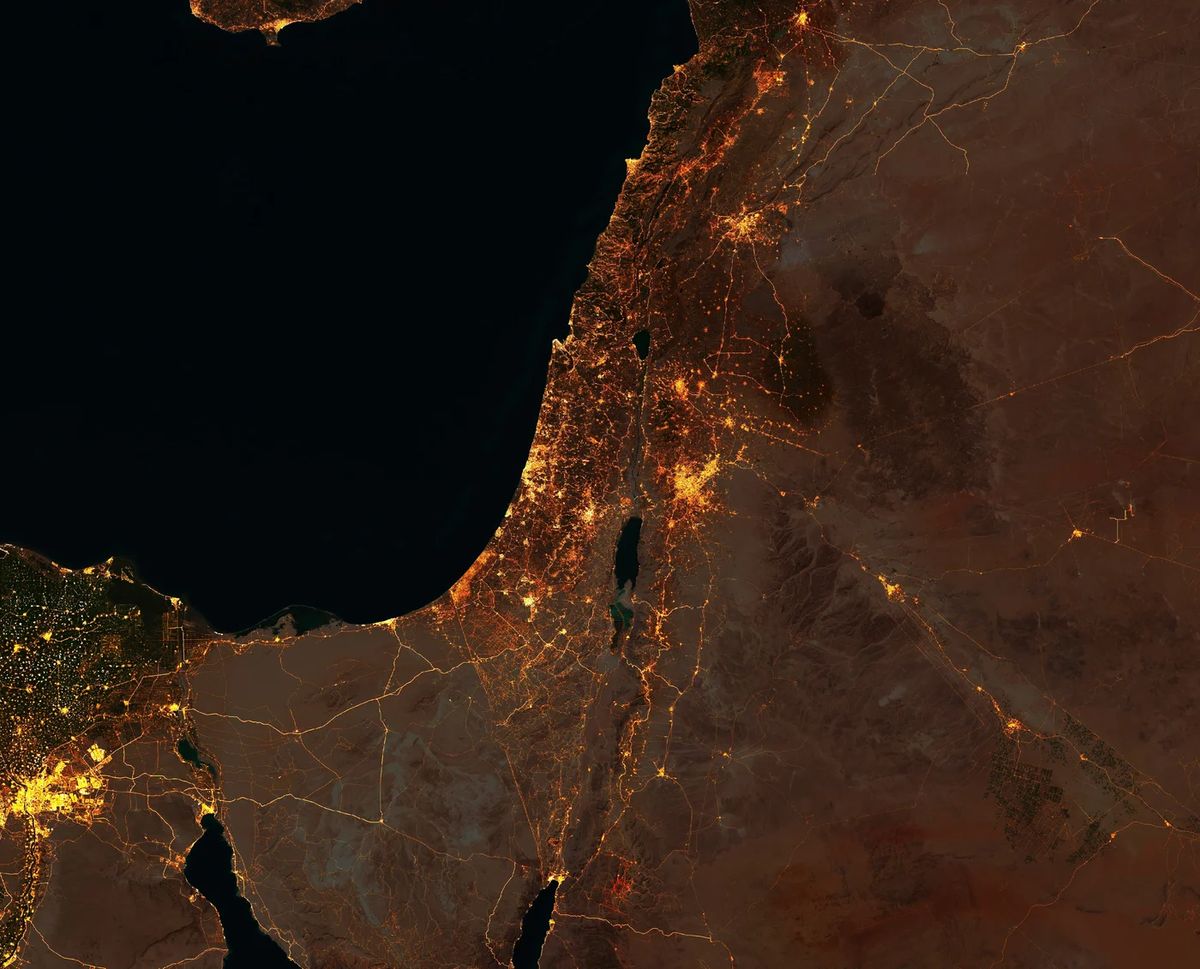
That said, from Israel's perspective, Hamas isn't the main focus. Were it not for the hostage issue, Hamas wouldn't even be seen as a major problem. Most experts agree Jerusalem's eyes are fixed on its southern and eastern fronts, Egypt and Jordan. Both countries sharply condemned Israel's strike.
Egypt's statement called it "an escalation that undermines international efforts to de-escalate tensions and threatens the region's security and stability."
Jordan's Foreign Minister, Ayman Safadi, said his country would support "any measures Qatar takes to protect its sovereignty." He called Israel's action a "cowardly act of aggression" and emphasized it as "a continuation of Israel's brutal aggression that blatantly violates international law."