The profound national trauma inflicted by the October 7 war, coupled with the resultant surge of funding allocated to the defense establishment, presents a major risk: that the Israel Defense Forces (IDF) will invest heavily in costly procurement and force-building programs that are geared toward fighting the previous war, rather than preparing for future, more pressing threats.
According to military analyst Professor Ezer Gat, the IDF must define clear strategic priorities based on the predicted threats of the next war. A failure to do so risks suboptimal security returns, needlessly inflating the defense budget, and damaging Israel's crucial civilian expenditures and economic resilience. The core principle must be: do not prepare for the last war.
Shifting Threat Landscape
Professor Gat identifies a significantly changed threat landscape:
- Hezbollah: While still a threat, the terrorist group is substantially weakened, has lost its operational depth in Syria, and is now highly unlikely to mount a quick ground invasion of Israel. However, flare-ups are expected, and Israel must prevent the group from rearming in Southern Lebanon, primarily through air power and special forces.
- Hamas in Gaza: Though Hamas’s fighting structures, missile production capabilities, and command echelon have been decimated, the organization is reinforcing its control in parts of the Strip and recruiting new fighters. War with Hamas may resume, possibly leading to an Israeli offensive to fully conquer the remaining areas under its control after the captive situation is resolved.
- Iran: The Primary Threat: Iran remains the primary security challenge, focused on its nuclear program and efforts to renew its ballistic missile array. Following the crushing of Iran’s regional "ring of fire," a direct confrontation between Israel and Iran is far more likely. Israel must, and presumably is, focusing its main intelligence, technological, and force-building efforts here, for both offense and defense.
- Houthi Threat: A secondary but important front is the Houthi threat from Yemen, primarily involving missile fire on Israel and, more critically, the closure of the Bab al-Mandab straits, which has paralyzed the port of Eilat. Addressing this requires leading roles for the Air Force and Navy, alongside possible cooperation with regional allies like Saudi Arabia and the legitimate government of Yemen.
Building Force for the Future: Priorities and Pitfalls
Professor Gat argues against widespread, "additive" investments across the board, the "good to have" approach that risks turning the defense establishment into a federation of branches each demanding a slice of the budget.
Key Priorities for Force Building:
- Homeland Defense (Hagmar): The immediate and most effective answer to swift terror incursions, like the one on October 7, is the urgent restoration of the Regional Defense System (Hagmar) in border communities. Relying heavily on local residents and reserve veterans, this system is immediately available, effective, and far cheaper than deploying heavy field divisions. The establishment of the new 96th Division along the eastern border based on this model is the correct, cost-effective, and effective step, which should be applied to all borders.
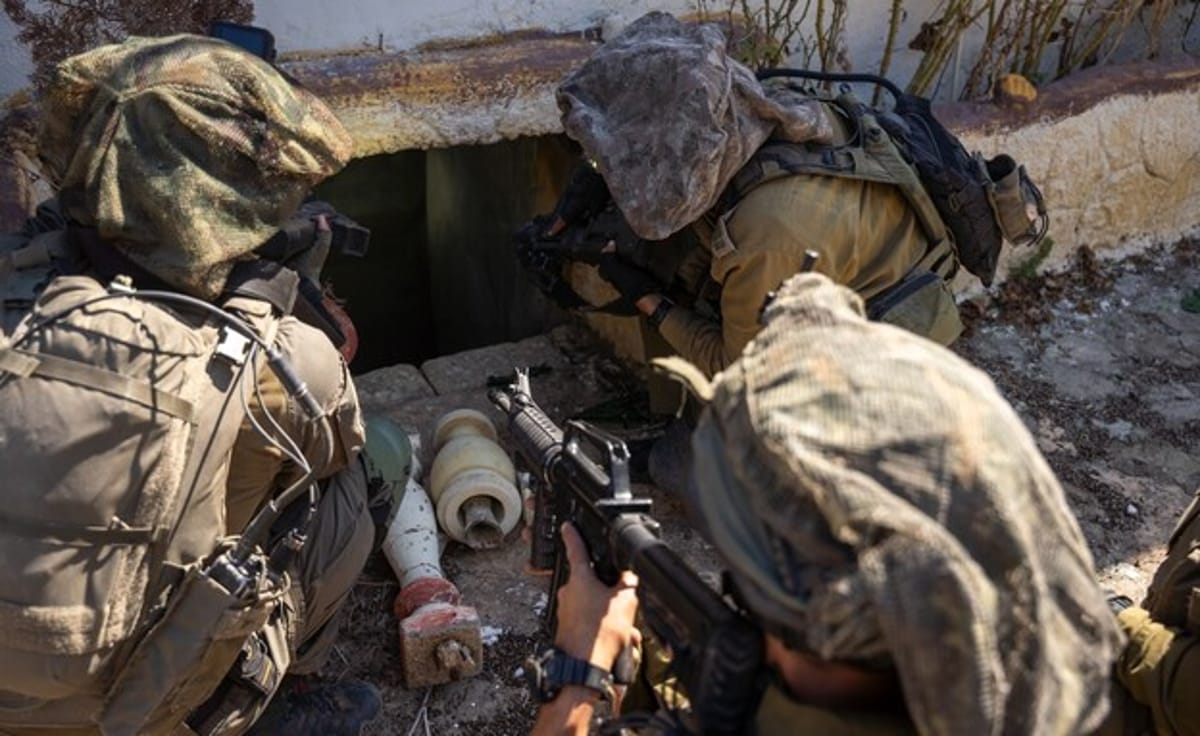
- The Subterranean Problem: The primary strategic distress revealed in the last war was the inability to effectively neutralize Hamas’s extensive underground tunnel network in Gaza. The war lasted two years largely because Hamas forces could disappear and reappear from this maze dug into soft sandstone. The IDF’s current response, flooding the area with 5-6 heavy divisions, is unsustainable and tactically unsound. The main need for the ground forces is not more heavy divisions, but a holistic solution, including technology, doctrine, and training, to clear and destroy the tunnels in an efficient manner.
- Aerial and Technological Superiority: The Iranian theater demands that the highest priority remain on air power, interception systems, and intelligence for long-range warfare. Other major gaps, such as defense against cruise missiles, drones, and anti-tank missiles, require investment in active systems like jamming and hard-kill defensive measures (e.g., Laser systems and Trophy/Hetz Dorban for armored vehicles), rather than heavy ground platforms themselves.
Professor Gat, the holder of the Ezer Weizman Chair in National Security at Tel Aviv University, warns that if the IDF does not focus its investments on solving these core strategic challenges, especially the tunnel problem and long-range threats, it risks failing to adapt to the demands of the next war.