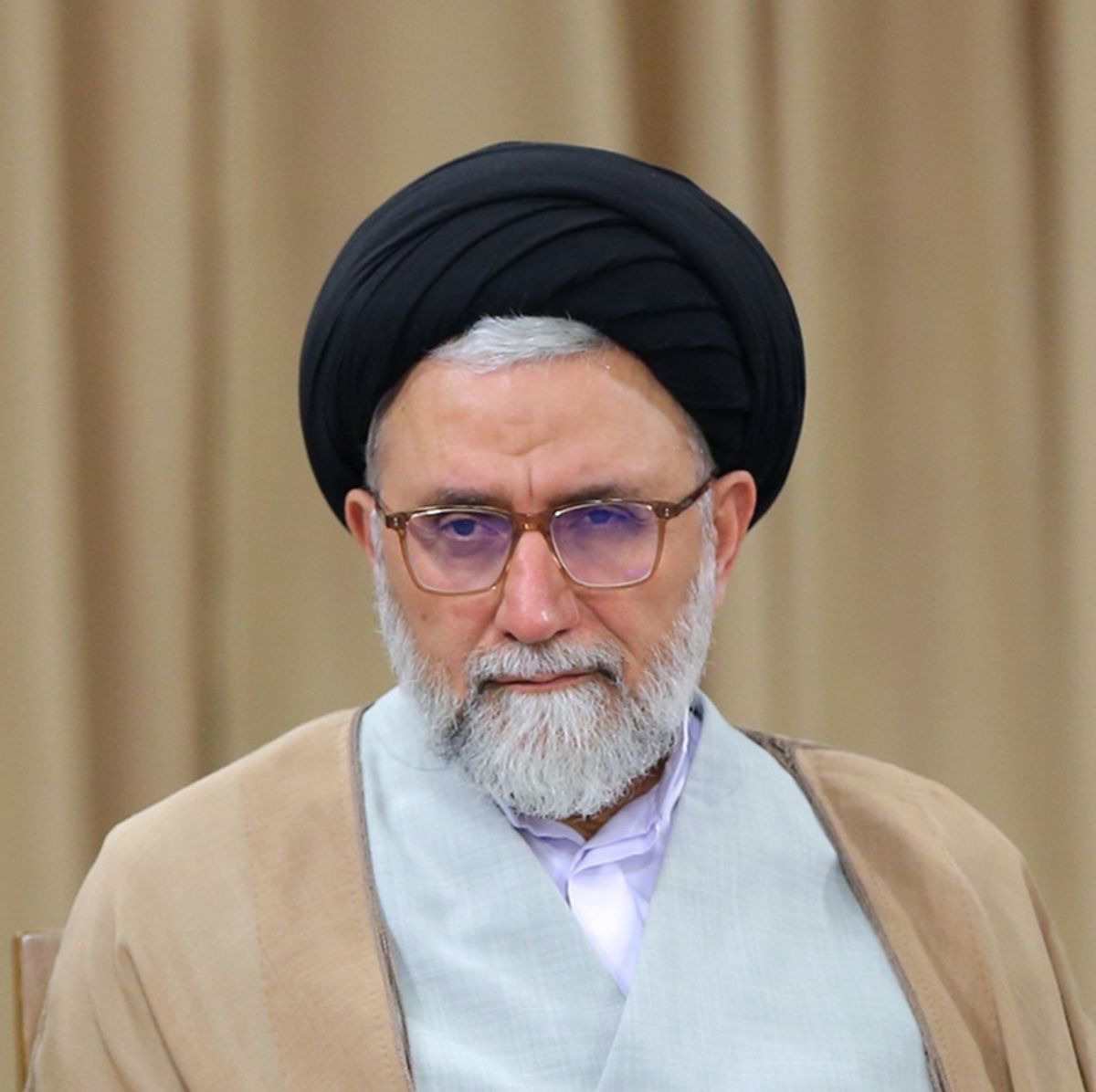
Israel attempted to assassinate Iran's Intelligence Minister Esmaeil Khatib in a targeted airstrike on the Iranian capital overnight Wednesday. Initial assessments suggest the operation succeeded, though Iran's state media has not confirmed the outcome.
The strike targeted Khatib at what was described as a safe house in Tehran, part of a broader wave of Israeli Air Force operations across the city that hit Revolutionary Guards command centers, ballistic missile arrays, and regime infrastructure. The Israeli military confirmed it conducted "extensive strikes in Tehran," describing the attacks as "part of deepening damage to core systems of Iran's terror regime."
According to the IDF statement, Khatib was appointed to the role by Ali Khamenei in 2021. In this capacity, he oversaw the Ministry of Intelligence (MOIS), the central intelligence body of the Iranian regime and one of its primary mechanisms for domestic suppression and global terrorism.
The Ministry holds advanced intelligence capabilities and serves as a central arm for surveillance, espionage, and the execution of covert operations worldwide, specifically targeting the State of Israel and Iranian dissidents.
As Intelligence Minister, Khatib played a significant role in:
- Directing Mass Arrests: He was instrumental in the killing of protesters and formulating the operational response to recent internal uprisings in Iran.
- The Hijab Protests: He acted aggressively against Iranian citizens during the 2022–2023 unrest.
- Global Terrorism: Khatib led intelligence operations against Israeli and American targets globally, including threats within Israeli territory during Operation "Lion’s Roar."
He was considered one of the closest aides to Iran's new Supreme Leader Mojtaba Khamenei. He was reappointed last year by President Pezeshkian, underscoring his centrality to the regime's security apparatus. The United States had previously imposed personal sanctions on Khatib over his ministry's involvement in extensive cyber-attack operations against Western targets.
In a separate but coordinated operation, Israel reportedly eliminated the newly appointed commander of the Iran-affiliated "Imam Hussein" militia in Beirut. The commander had assumed his position just days earlier, following the killing of his predecessor, Ali Tabatabaei, the previous week.
The Israeli Air Force also targeted air defense systems across Iran to expand aerial superiority over Iranian airspace. Specific targets included the security unit command center of the Revolutionary Guards, the branch responsible for suppressing domestic unrest, as well as maintenance facilities of the General Supply and Support Department and headquarters of Iran's ballistic missile program.
Significant security forces were deployed throughout Tehran's government centers in the aftermath. Iran's state media refrained from confirming details of the strikes or casualties.
Khatib's elimination represents the most significant blow to Iran's intelligence apparatus in years and signal a systematic Israeli decapitation campaign targeting the regime's entire senior leadership, moving well beyond military figures to strike at the core of Iran's governing infrastructure.