Get our mobile app
Download on the App StoreGet it on Google Play

Massive armada en route

US sends 3 carriers, 20,000 troops to Gulf

Pentagon preparing historic naval buildup with three carrier strike groups and nearly 20,000 personnel in the region as Trump signals renewed bombing campaign against Iran following collapse of diplomatic talks

US naval forces in the Middle East
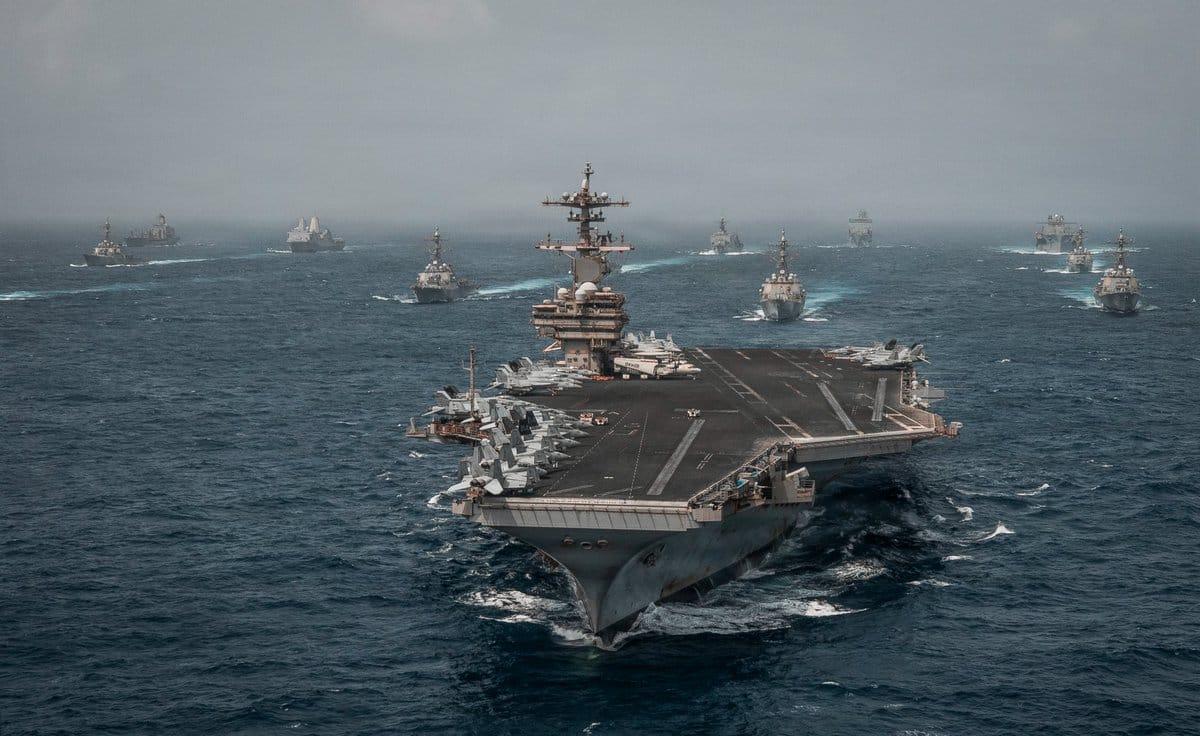
US aircraft carrier
US aircraft carrier (Photo: US Army CENTCOM)

The United States is preparing to deploy up to three carrier strike groups and their accompanying vessels to the Middle East during November, according to American defense officials. The move represents one of the largest and most aggressive concentrations of naval power seen in the region since 2003, and is expected to give President Donald Trump maximum operational flexibility to resume strikes against Iran.

Under the deployment plan, the three massive carriers being considered for positioning include the USS George Washington, already operating in the Arabian Sea; the USS George H.W. Bush, currently in the Indian Ocean; and the USS Theodore Roosevelt, which recently departed San Diego and is now crossing the Pacific.

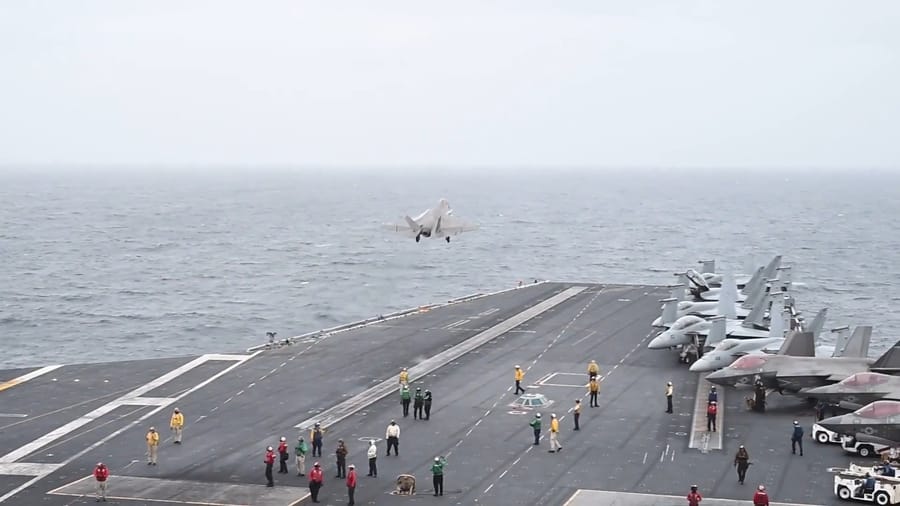
This formidable force is expected to concentrate approximately 20,000 crew and combat personnel, up to 150 advanced fighter aircraft, and a long line of destroyers armed with lethal missiles and advanced interception capabilities. In addition, the amphibious ready group "Makin Island" is being sent from California to join the "Boxer" group, which has already been operating in the region for months.

Each amphibious group alone carries more than 4,000 sailors and Marines ready for combat. With this addition, the number of American troops stationed in the Middle East will surge to approximately 50,000 fighters.

The timing is no coincidence. In an interview with TIME magazine on Thursday, President Trump stated it was "likely" or at least "possible" that he would order an expansion of bombing and military strikes against Iran immediately after the midterm elections. The current campaign opened in full strategic coordination with Israel on February 28, and was only temporarily halted during the summer around a round of diplomatic negotiations that collapsed completely.

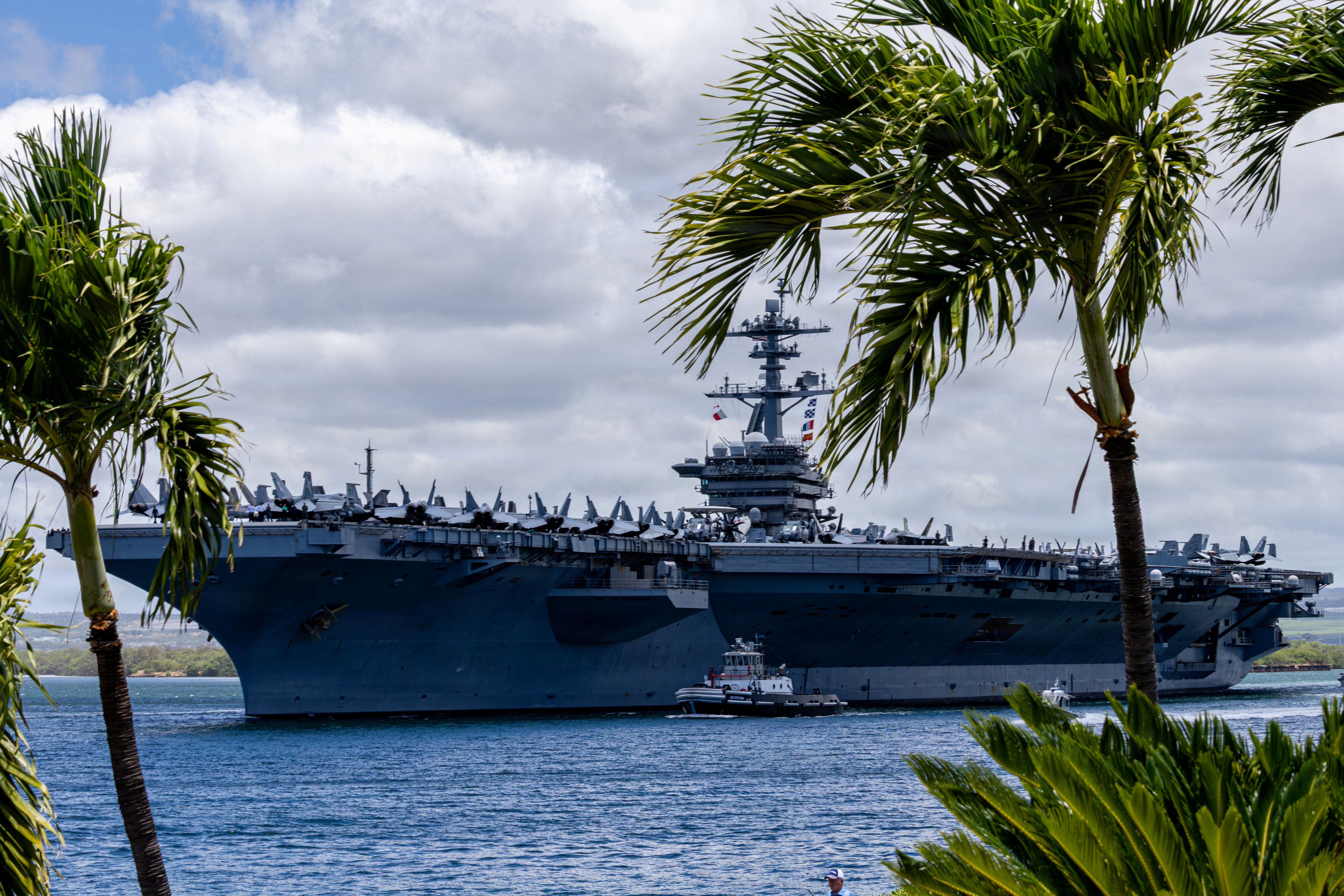
USS Nimitz aircraft carrier
USS Nimitz aircraft carrier (Photo: US Navy)

Despite the planned firepower, defense officials emphasize that the deployments are still in advanced planning stages and no final decision has been made. Some of the assets may be used to replace forces worn down by long months at sea, such as the carrier USS Abraham Lincoln, which recently returned from a particularly grueling deployment.

The carrier Lincoln docked in Thailand after a full 286 days without a real shore leave stop, the vast majority spent at the heart of a burning combat zone facing Iran. Published photographs clearly showed dark rust stains adorning the giant hull alongside a thick green ring of algae at the waterline, silent physical testimony to nine and a half months of continuous stay at open sea without proper maritime maintenance.

The enormous pressure and prolonged separation from home took a heavy psychological toll on the crew. Eight sailors stationed on the USS Abraham Lincoln or its escort ships attempted suicide during the nine-month Middle East deployment, Navy Acting Secretary Hoang Cao confirmed in a letter to Senator Kirsten Gillibrand. One sailor jumped from the ship in early August and was rescued by helicopter, and another sailor attempted to jump from the ship in March but was stopped by fellow crew members.

Nonetheless, this planned deployment represents an unprecedented show of force demonstrating Washington's determination to keep all options open as the midterm congressional elections draw closer.


Ready for more?

Join our newsletter to receive updates on new articles and exclusive content.

We respect your privacy and will never share your information.

Enjoyed this article?

Yes
No
Follow Us:

Unmissable content


Loading comments...

Also of Interest