Get our mobile app
Download on the App StoreGet it on Google Play

Strategic Shift

US leaves Iraq; Israel eyes new threats

American forces complete withdrawal from Iraq, leaving Shiite militias backed by Iran's Quds Force in control of a land corridor from Tehran to Lebanon. Israel removes operational restraints and readies for strikes across the region.

Leaving Iraq

On September 30, US Central Command completed the orderly evacuation of American forces and equipment from Erbil Air Base in Iraq, marking the end of Operation Inherent Resolve in the country. The move closes more than two decades of American military presence in Iraq since the 2003 invasion.

The transition in Iraq is part of a planned shift to bilateral defense relations between the United States and Iraq. The Combined Joint Task Force remains active and now operates its headquarters from Jordan, while US forces continue the counter-ISIS mission in Syria. "Tens of thousands of American military personnel, diplomats and civilian staff who answered the call in Iraq did outstanding work," said Admiral Brad Cooper, CENTCOM commander.
With American forces gone, Shiite militias led by Kataib Hezbollah and Harakat al-Nujaba are refusing outright to disband. The Iraqi government has pushed the official deadline for dismantling the militias to June 2027, while the umbrella organization al-Hashd al-Shaabi continues to operate as the operational arm of Iran's Quds Force.

The result on the ground completes the "Shiite Crescent", a territorial corridor through which weapons, military technology and fighters are funneled from Iran through Iraq to Syria and Lebanon. These militias are directing their full logistical and operational resources toward a direct threat to Israel, having already launched hundreds of drones and cruise missiles at Israeli territory in the past.

Full Operational Freedom

Israel's security establishment is preparing with a deep conceptual shift for the new theater of operations. In the past, the presence of American soldiers in Iraq imposed a certain restraint on potential Israeli strikes out of concern for hitting foreign forces. Now that limitation has been completely removed.

Iraq's vast expanses require a dramatic expansion of the technological collection envelope to locate militia centers of gravity. As part of the "campaign between wars," Israel is focusing on hitting convoys and Iraqi military equipment the moment they cross the border westward into Syria.

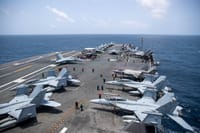
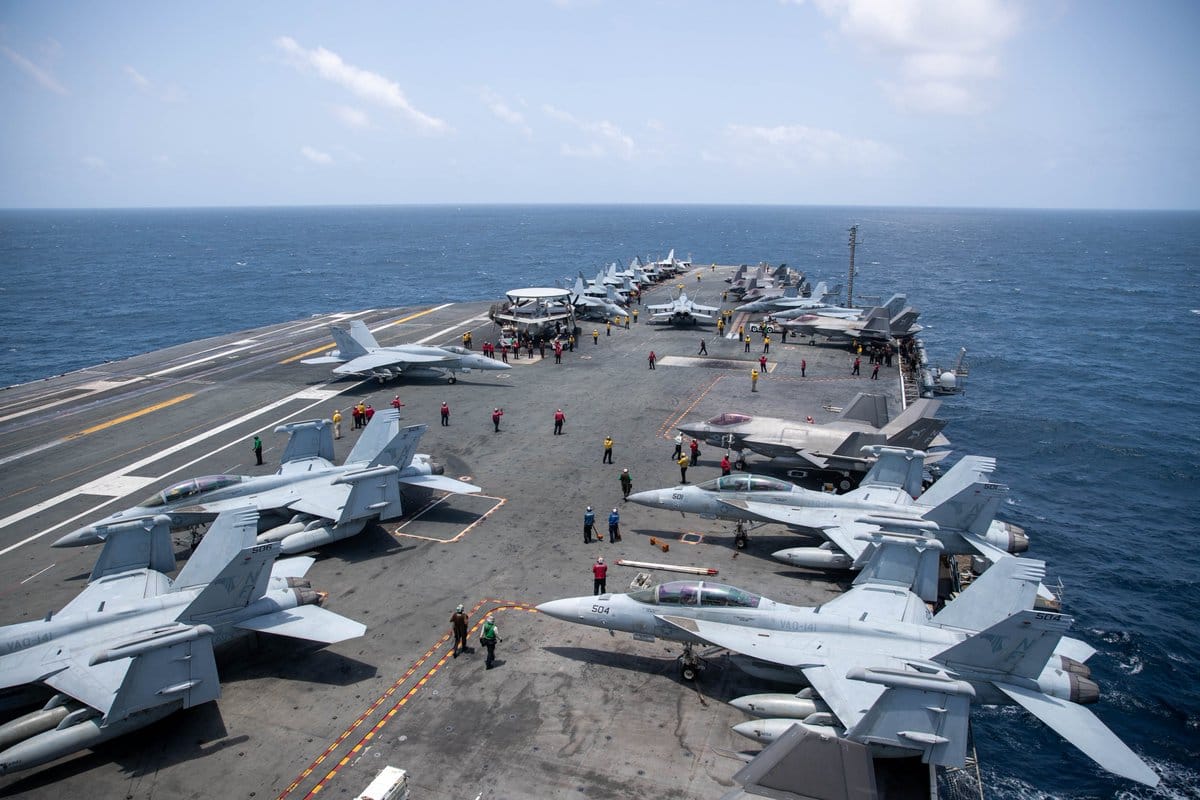
Aircraft carrier in the Gulf facing Iran
Aircraft carrier in the Gulf facing Iran (Photo: US Army CENTCOM)

Alongside continued intelligence cooperation with the US and advancing sanctions against terror commanders, Israel is working to build a joint air defense array with moderate states in the region to block Iraqi threats while still en route. In recent weeks, the United States has sent two additional batteries of the Patriot air defense system to the Persian Gulf, one battery to Saudi Arabia to protect a major oil facility, and another to Qatar to protect a natural gas facility.

The American move comes against the backdrop of the United States' desire to reassure its Gulf allies and make clear that it will defend their central energy facilities in the event that President Trump decides to resume extensive combat against Iran. In early August, when Trump was considering launching a large-scale attack, Saudi and Qatari leaders pressured him not to do so out of fear that Iran would respond by attacking their oil and natural gas facilities.

Concrete Threats to Jordan

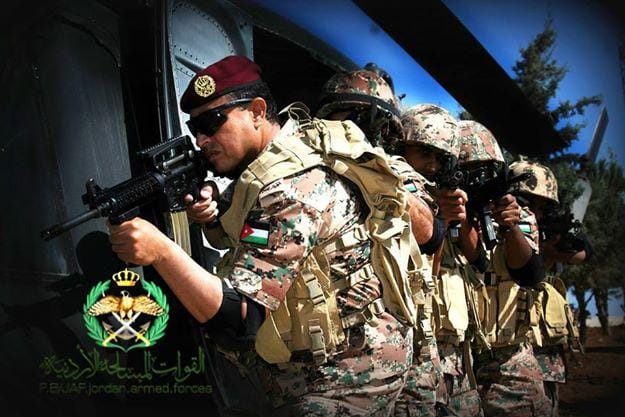
The Hashemite Kingdom of Jordan has found itself at the center of an unprecedented regional storm. Last August, Jordan conveyed an unusual and explicit warning to Iraq: any attack launched from its territory toward Jordanian soil will be answered with immediate fire and without hesitation. The dramatic warning came against the backdrop of concrete threats from pro-Iranian Shiite militias operating in Iraq, which have made Jordan a central target for revenge following cooperation with the United States.

The tension flared following a series of dramatic events that began in late July. Pro-Iranian Shiite militias in Iraq launched drone and ballistic missile attacks on energy facilities in Saudi Arabia and American bases on Jordanian soil. On July 29, US Central Command forces together with the Saudi Air Force carried out extensive airstrikes in Iraq against headquarters, weapons depots and logistical sites of al-Hashd al-Shaabi.

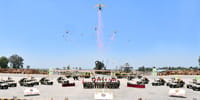
Jordanian Army
Jordanian Army (Photo: Jordanian Armed Forces @Jordanian_Army)

In the past month, the Israeli Air Force has struck more than 370 targets of the terror organization Hezbollah in southern Lebanon, guided by the commands and the Intelligence Directorate. In addition, the Air Force struck more than 140 targets in the Gaza Strip, including three brigades of the terror organization Hamas, terrorists who advanced terror plots and posed a threat to IDF forces, terrorists who raided and kidnapped on October 7, terrorists who held hostages, weapons stockpiles and additional targets.

The American withdrawal did not create the threat — it simply removed the last brake. With the militias enjoying unprecedented political and military freedom in Baghdad, Israel has already made clear that the rules of the game have changed from one end to the other.

Ready for more?

Join our newsletter to receive updates on new articles and exclusive content.

We respect your privacy and will never share your information.

Enjoyed this article?

Yes
No
Follow Us:

Unmissable content


Loading comments...

Also of Interest