Third Night, Escalating

US Pounds Iran For Third Consecutive Night As Tehran Hits Emirati Tankers In Hormuz

 CENTCOM completes third straight night of strikes on Iran as Iranian missiles hit two Emirati tankers in the Strait of Hormuz, killing one crew member and reigniting the blockade standoff.

US Pounds Iran For Third Consecutive Night As Tehran Hits Emirati Tankers In Hormuz

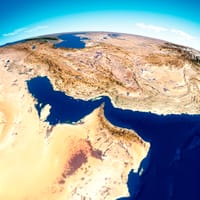
The United States carried out a third consecutive night of strikes against Iran early Tuesday, a five-hour operation that hit military targets across the country as Tehran retaliated by striking two Emirati oil tankers in the Strait of Hormuz, killing at least one crew member.

US Central Command said its forces struck military targets across Iran including Bushehr, Chah Bahar, Jask, Konarak, Abu Musa, and Bandar Abbas, aiming to further degrade Iran's ability to attack commercial shipping. A US official told CNN the operation targeted Iranian coastal surveillance systems along with drone and missile capabilities. CENTCOM said it hit 140 Iranian military targets in total.

The strikes came hours after two United Arab Emirates tankers, the Al Bahiya and the Mombasa, were hit by Iranian missiles in the southern Strait of Hormuz while inside Omani territorial waters. An Indian crew member aboard the Mombasa was killed, and the UAE Defense Ministry said the ship sustained material damage as fires broke out on board. The ministry said it would remain on the highest level of readiness to address any threats to the country's security.
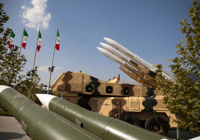

Iran's Revolutionary Guard Corps framed the tanker strikes as a defensive response, claiming the vessels had shut off their navigation systems and ignored repeated warnings from Iranian maritime authorities before attempting to pass through what it called a mined route.

The IRGC said it also launched a wider retaliatory campaign against US allies and interests across the Gulf and in Jordan, with Iran's army claiming a drone attack on US military targets in Kuwait, including a Patriot missile system, fuel tanks, and an ammunition depot. Bahrain, home to the US Navy's Fifth Fleet, sounded missile-alert sirens overnight as Iran targeted the al-Juffair base.

The overnight exchange unfolded as President Trump reinstated a naval blockade on Iranian shipping and floated charging a 20 percent fee on vessels transiting the strait in exchange for US protection, a proposal Iranian Foreign Minister Abbas Araghchi rejected, insisting Tehran has always been the strait's guardian and intends to remain so.

Trump maintained that the strait remains open despite the fighting, and said at a White House briefing that Iran's offensive capabilities are being systematically dismantled, though he still believes a deal is possible. The current round of hostilities follows weeks of tit-for-tat strikes that eroded the ceasefire reached in June, with Washington and Tehran clashing over who controls traffic through the waterway.

Oil markets reacted sharply to the escalation, with Brent crude climbing toward 85 dollars a barrel and traffic through Hormuz falling roughly 52 percent week over week as shippers reverted to defensive routing.

Ready for more?

Join our newsletter to receive updates on new articles and exclusive content.

We respect your privacy and will never share your information.

Enjoyed this article?

Yes (8)
No (0)
Follow Us:

Unmissable content


Loading comments...

Also of Interest