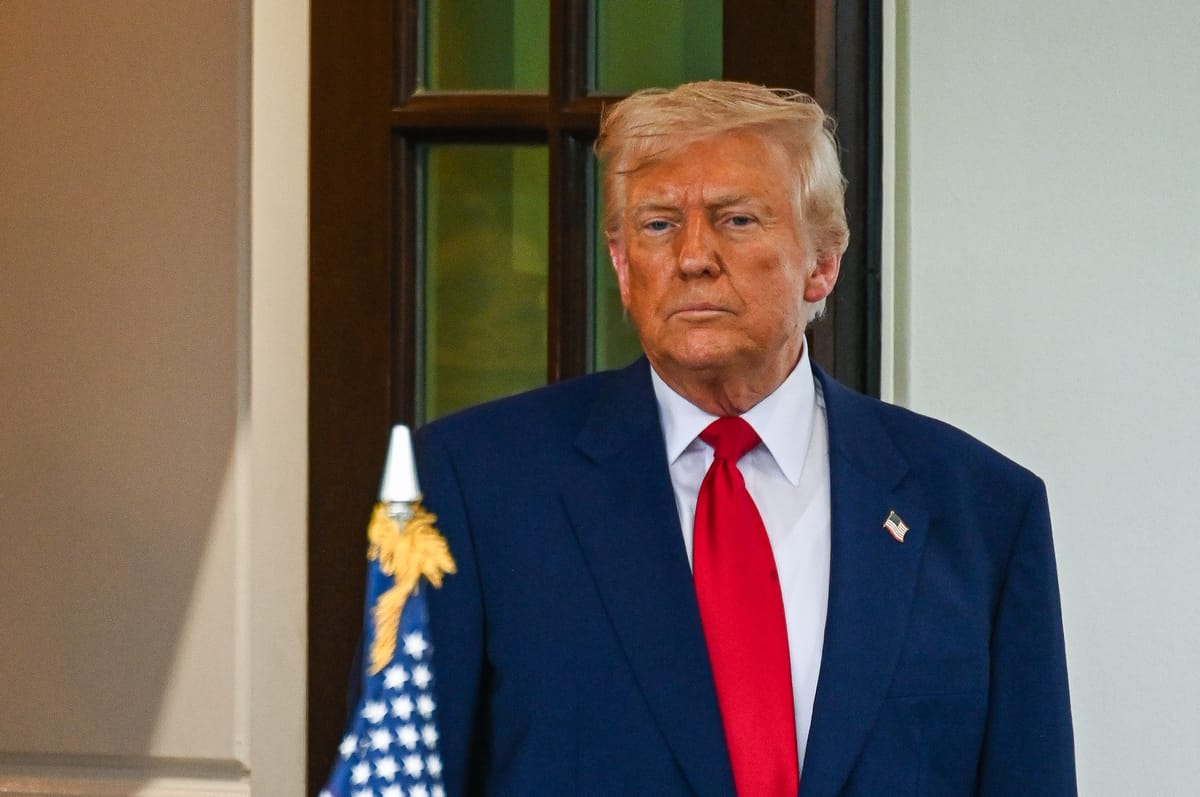
The United States suspended air operations against Iranian targets for 48 hours following nearly two weeks of continuous strikes across the region. American media reports, citing White House and diplomatic personnel speaking with CBS, revealed that a diplomatic initiative by regional mediators prompted President Donald Trump to halt the campaign and resume talks with Tehran.
The sudden shift in strategy resulted from diplomatic interventions by Oman, Pakistan, and Qatar. Omani envoys arrived in Tehran on Friday for high level discussions, formulating a compromise framework intended to return both nations to negotiations. President Trump accepted recommendations from his national security advisors, deciding to delay planned escalations to allow diplomatic channels an opportunity to proceed.
The sudden turn toward diplomacy created friction among Persian Gulf coalition partners. Nations such as Bahrain and Kuwait, which had reportedly initiated military actions against Iranian forces at Washington's request, expressed frustration over the operational pause. Regional officials indicated feeling sidelined by both the White House and the mediating states.
According to diplomatic sources cited by Reuters, the mediation framework seeks to address the maritime standoff in the Strait of Hormuz and broader regional security arrangements. The 48 hour pause in air operations provides a window for envoys to formalize temporary ceasefire parameters before deciding on future military action.
White House officials maintain that the pause remains conditional on Tehran's compliance with initial negotiation terms. Military assets across the US Central Command area of responsibility remain on high alert, with commanders fully prepared to resume strikes if diplomatic progress stalls.