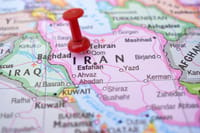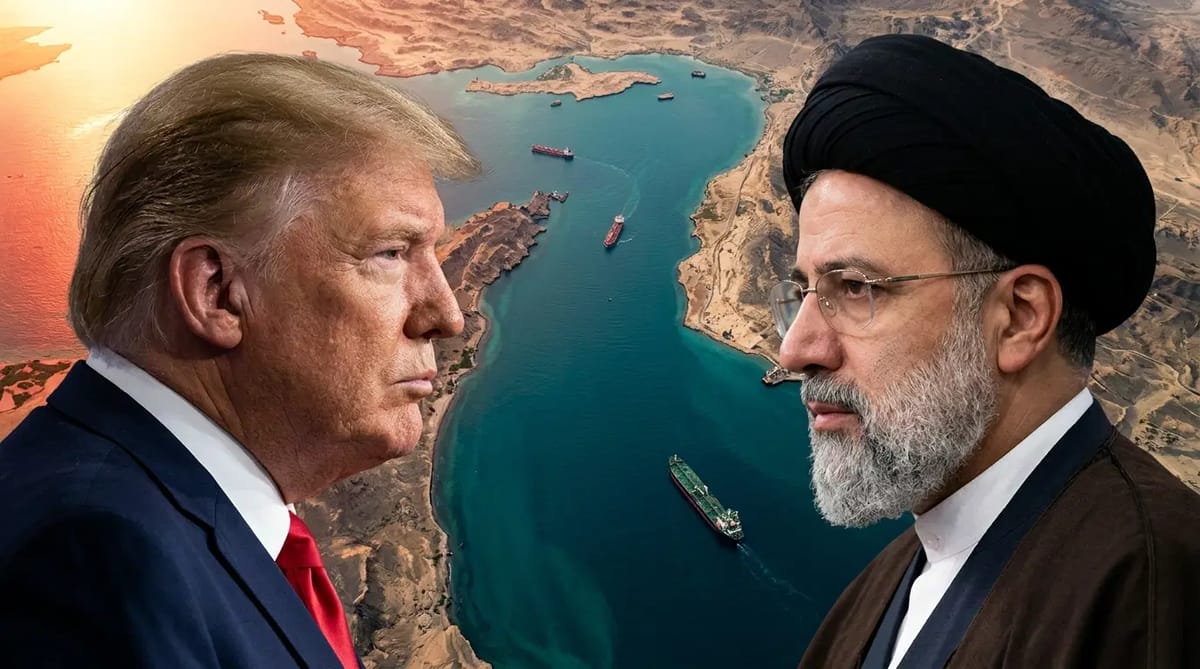
The United States and Iran submitted formal responses to a new mediation framework drafted by Pakistan and Qatar, signaling a potential shift toward diplomatic talks to reduce military tension across the region. According to diplomatic sources who spoke with Al Arabiya, the proposal seeks to re-establish a negotiation pathway between Washington and Tehran to address critical security matters, including maritime transit, nuclear protocols, and economic sanctions.
The primary terms of the initiative centered around a ten day ceasefire accompanied by specific operational adjustments in the Strait of Hormuz. Under the proposed framework, both primary shipping channels through the strategic waterway would reopen without interference. The southern shipping lane running through Omani waters would remain free from Iranian naval attacks, while the northern lane passing through Iranian territorial waters would see an end to the American naval blockade.
The ten day pause aims to provide mediators with sufficient time to negotiate a lasting agreement regarding international navigation rights through the strait. Disagreements over commercial vessel traffic previously caused the collapse of the memorandum of understanding signed between both nations last month. The diplomatic push follows two consecutive nights of calm, with no new American airstrikes reported inside Iranian territory.
Iranian Military Spokesman Mohammad Akrami Nia acknowledged the lull in operational strikes during a public briefing. "The Americans stopped their attacks in the last two nights," Akrami Nia stated, adding that "because our strategy is fundamentally based on reciprocity, we have also suspended our military operations."
According to reporting published by Axios, diplomats are considering long term arrangements for regulating maritime traffic through the strait during the proposed pause. One option under review involves allowing Iran to collect reasonable service fees for providing maritime security, modeled after the management system utilized by Malaysia, Indonesia, and Singapore in the Strait of Malacca. An alternative proposal under discussion involves depositing transit fees into a joint fund overseen by the International Maritime Organization.
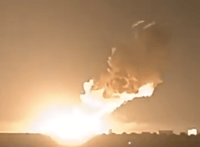
The current escalation in the war between the United States and Iran began on July 8, following American strikes executed in response to an attack on a commercial vessel in the Strait of Hormuz. President Donald Trump subsequently announced the termination of the previous ceasefire agreement, prompting Iranian counter-strikes against US installations across Bahrain, Jordan, Qatar, Kuwait, the United Arab Emirates, and Oman. According to sources familiar with defense briefings cited by Reuters, American military leaders advised against further immediate escalation due to strategic stockpiling concerns regarding air defense interceptors.