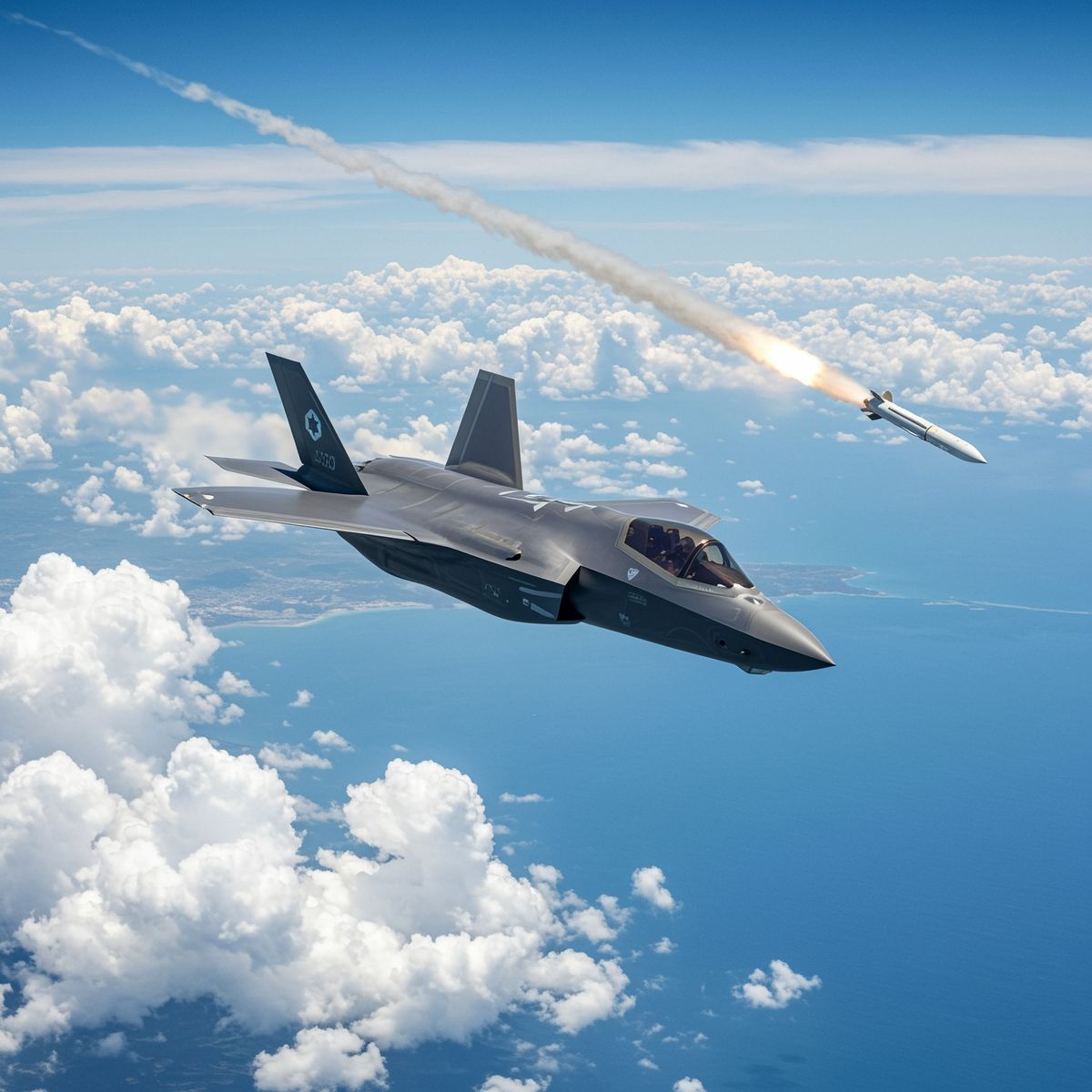
The Israeli defense establishment is currently maintaining a state of maximum vigilance, actively preparing for a rapid military escalation against Iran and its regional proxies. National security forces are finalizing operational designs to transition the entire military apparatus immediately to an active state of war. This strategic framework is designed to bypass bureaucratic delays, ensuring that the air force can respond to hostile threats without losing vital operational time.
Current intelligence assessments indicate that the leadership in Tehran is highly hesitant to initiate a direct war against the Israeli home front. This strategic reluctance stems primarily from the clear understanding that the Israeli Air Force possesses a fully prepared, highly destructive plan to neutralize national infrastructure across the Islamic Republic. Despite the absence of immediate, concrete indicators of a coordinated attack from Iran, Hezbollah, or the Houthi forces in Yemen, national commanders are keeping defense assets positioned for immediate deployment.
Senior defense authorities have outlined three highly specific, distinct scenarios that would trigger active, direct military intervention inside Iranian territory. The primary scenario involves an explicit, direct request from the United States asking its regional ally to join a series of intensive, coordinated airstrikes against high value assets. The secondary trigger depends heavily on intelligence services identifying definitive preparations by the Islamic Revolutionary Guard Corps to target the country, which would immediately necessitate a rapid preemptive strike to neutralize the threat.
The final scenario involves a massive, sudden bombardment of missiles and unmanned aerial vehicles directly targeting national territory, forcing a retaliatory campaign of unprecedented scale. To ensure complete readiness for these possibilities, the military headquarters is diligently planning for an immediate transition "from zero to a hundred" on all fronts. Major General Shlomi Binder, the head of the Military Intelligence Directorate, has instructed all monitoring units to maintain the highest level of vigilance. Meanwhile, the head of the Operations Directorate, Major General Itzik Cohen, has ordered air defense units to remain on high alert to counter potential aerial incursions.