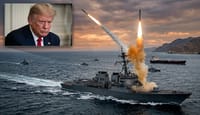
Senior Israeli defense officials have indicated that a massive military strike against targets inside Iran is highly unlikely to occur within the next twenty four hours as complex international negotiations reach an absolute peak. The temporary operational delay comes amid intense, coordinated pressure from regional mediators who are urging United States President Donald Trump to withhold all offensive operations until the conclusion of the traditional Hajj pilgrimage season. While Western forces maintain high combat readiness, diplomatic teams are utilizing the brief window to advance a comprehensive framework agreement, despite massive foundational gaps remaining between Washington and Tehran.
Despite the ongoing diplomatic pause, the Israeli political echelon has explicitly instructed military commanders to finish all operational preparations for an immediate aerial campaign under extremely compressed timelines. Local intelligence assessments indicate that despite public displays of defiance from the regime in Tehran, an acute economic and social crisis is rapidly worsening across the Iranian state. This internal pressure has forced Iranian representatives to engage in active backchannel negotiations regarding sensitive security issues that the Islamic Republic completely refused to discuss during previous rounds of international diplomacy.
A major bottleneck in finalizing any regional agreement remains the highly centralized, secretive decision making process within the upper echelons of the Iranian regime. Official state news agencies in Tehran confirmed that Washington has submitted an updated treaty draft through Pakistani intermediaries, but a formal response has been delayed due to strict protocols surrounding the Supreme Leader. Israeli intelligence experts believe that Mojtaba Khamenei, the influential son of the Supreme Leader who wields massive control over internal security organs, is highly likely to veto any Western proposal that requires a permanent reduction in nuclear capabilities.
A significant point of diplomatic friction has also emerged regarding the status of regional proxy groups, with Iranian negotiators demanding that the survival of Hezbollah be legally guaranteed within any final peace framework. Israel is fiercely opposing this condition, with defense officials arguing that Jerusalem must retain absolute operational freedom to strike terrorist infrastructure, eliminate senior commanders, and neutralize field operatives in southern Lebanon. A senior defense source emphasized that the military will not allow the northern threat to be protected by a broader diplomatic shield manufactured in Washington or Tehran.
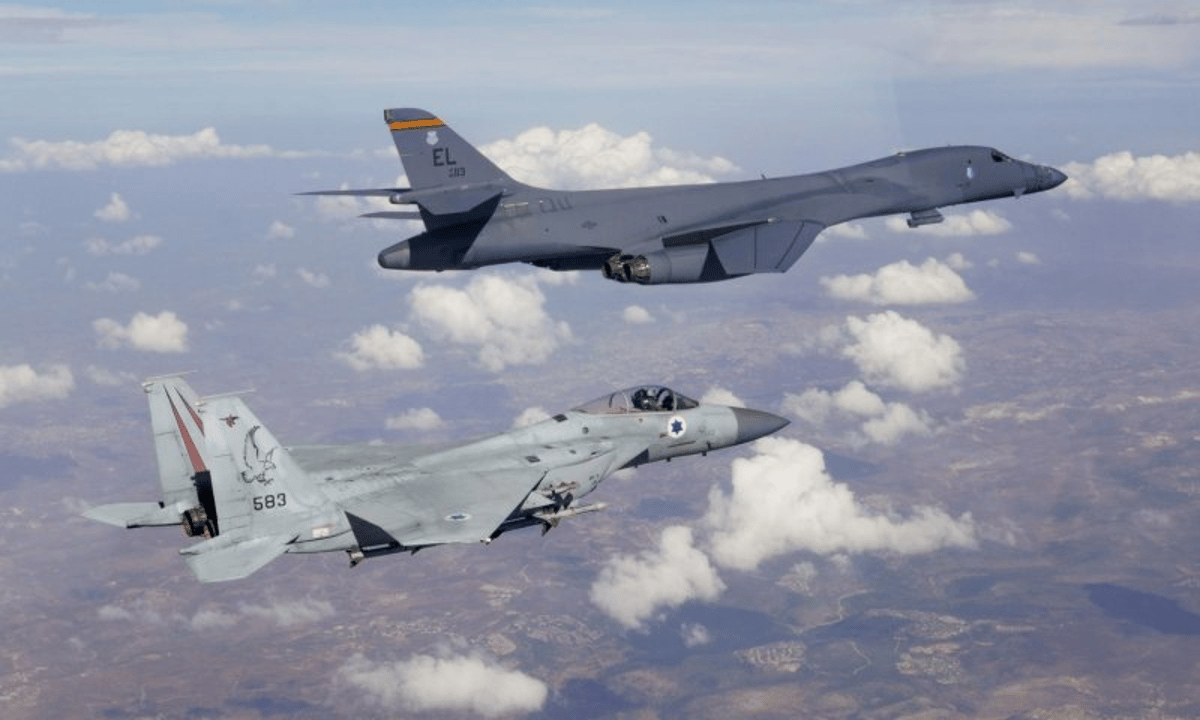
As the diplomatic clock ticks down, Israeli Chief of Staff Eyal Zamir held an urgent briefing with all regional division commanders to review tactical readiness across multiple fronts. Zamir confirmed that the armed forces are currently maintaining an ultimate state of alert, fully synchronized with the United States military Central Command for any potential escalation. The military chief also utilized the gathering to issue a rare public warning regarding a severe domestic manpower crisis, stating that expanding the draft pool is an absolute necessity to relieve the unsustainable burden on current reserve soldiers and maintain long term operational effectiveness.