Storming the Castle

IDF Returns to Beaufort Fortress After 26 Years

The IDF launched a ground operation in southern Lebanon, with forces crossing the Litani River and reaching the Beaufort fortress for the first time in 26 years, since Israel’s withdrawal from Lebanon in 2000.

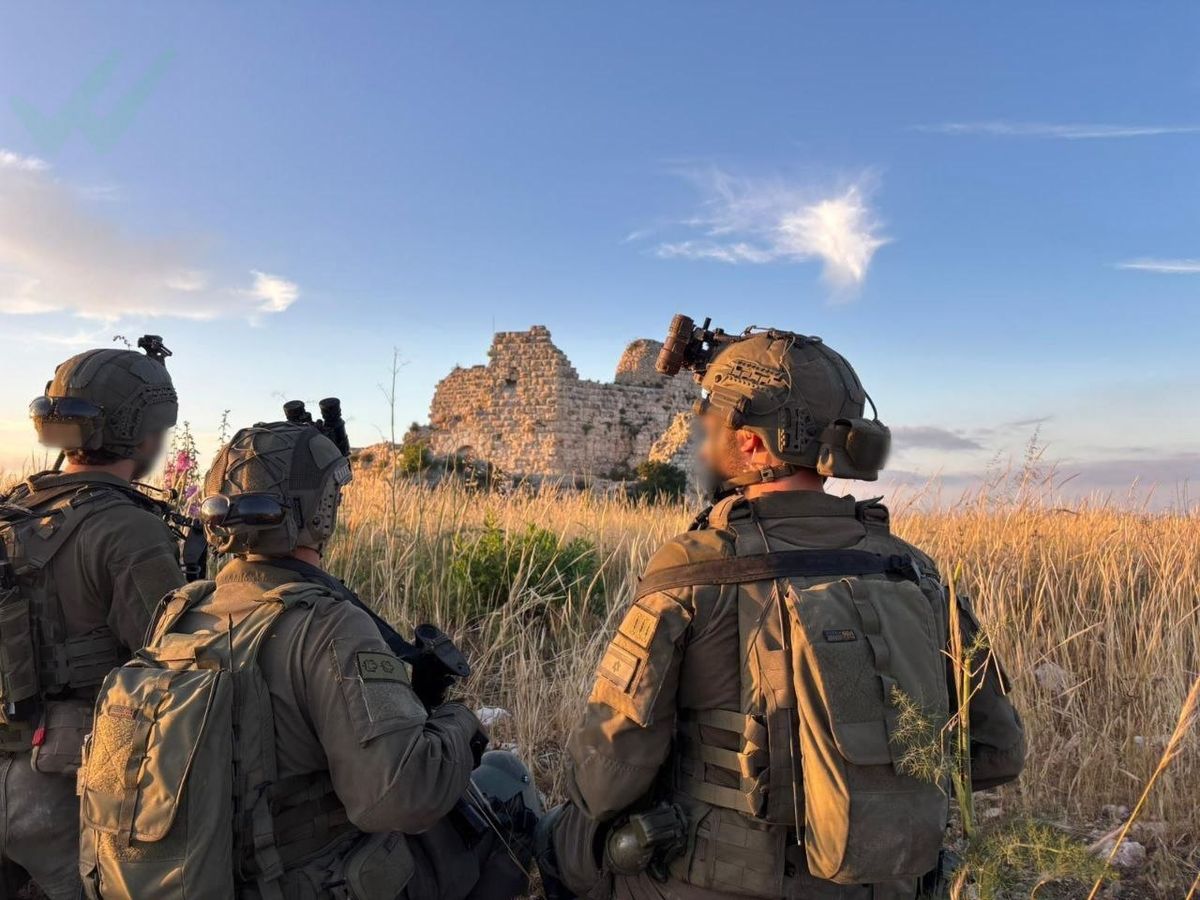
IDF soldiers approaching the Beaufort.
IDF soldiers approaching the Beaufort. (IDF)

The IDF launched a ground operation in southern Lebanon, with forces crossing the Litani River and reaching the Beaufort fortress for the first time in 26 years, since Israel’s withdrawal from Lebanon in 2000.

The operation is focused on the Beaufort Ridge and Wadi al-Saluki area, two strategically important zones that overlook parts of the Galilee Panhandle and the approaches to Metula. According to the IDF, the goal is to dismantle Hezbollah infrastructure built in the area under Iranian direction, establish operational control and remove immediate threats to northern Israeli communities.
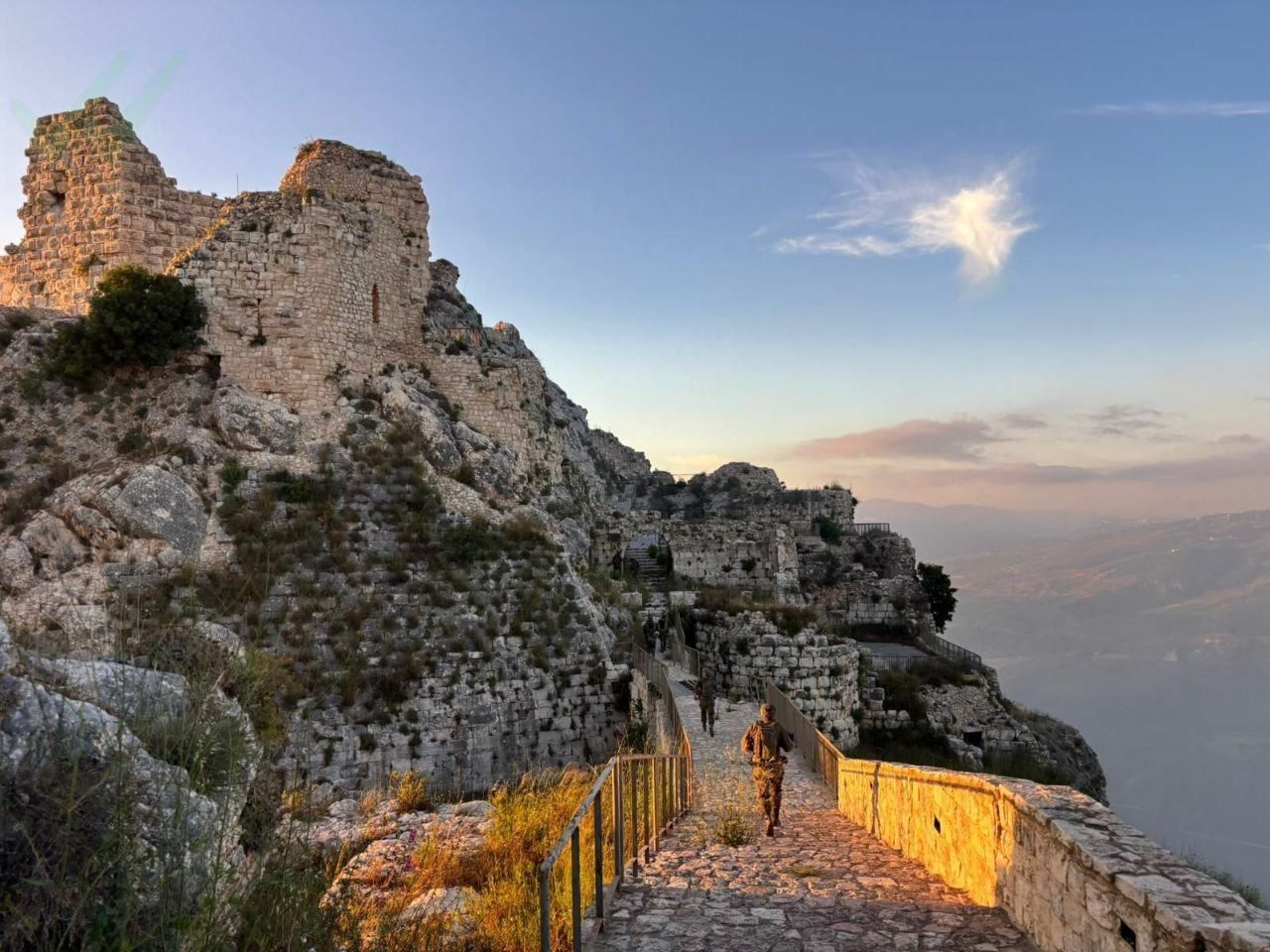
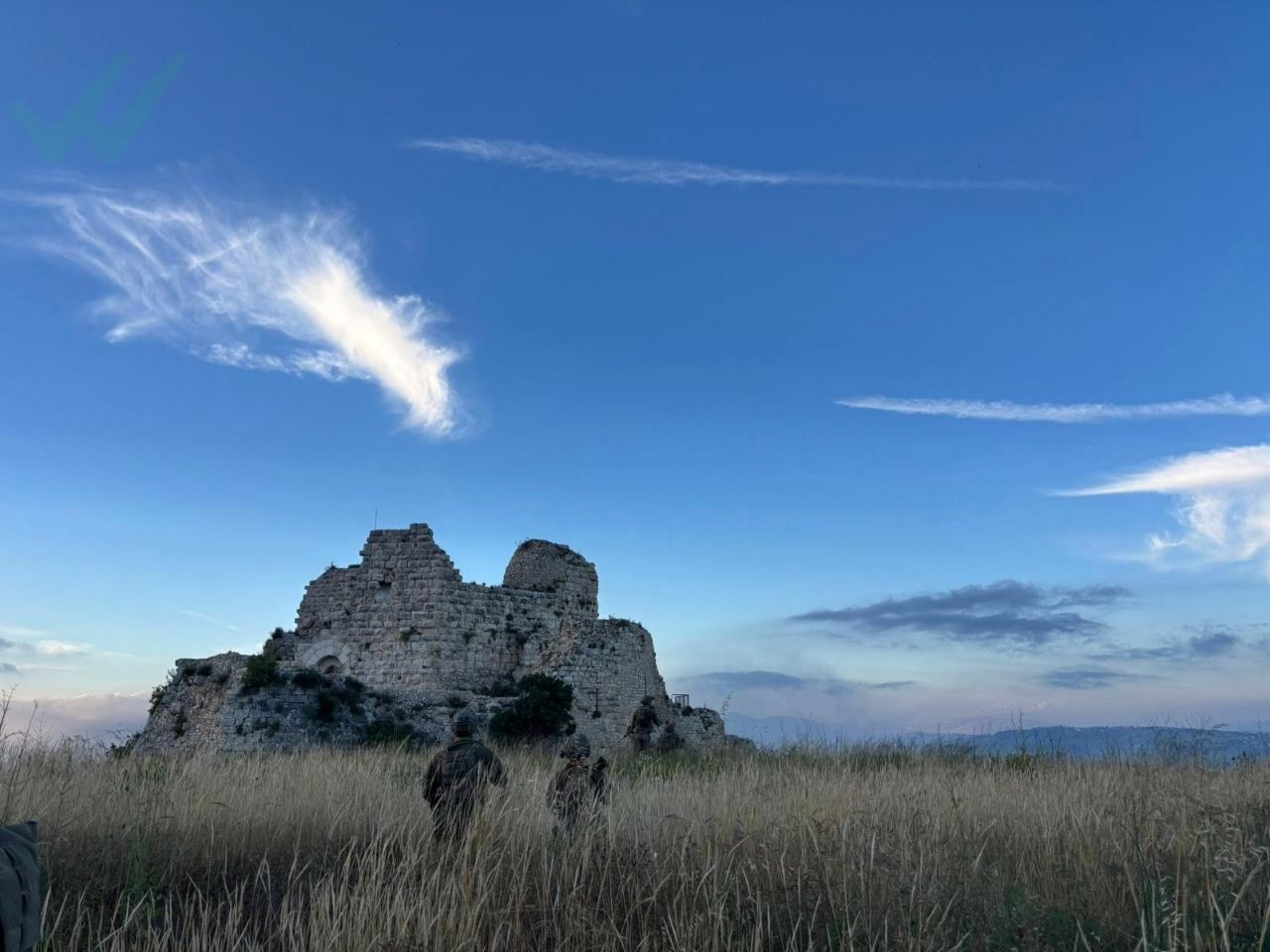
The Beaufort fortress.
The Beaufort fortress. (IDF)

Israeli forces are also operating near Nabatieh, as the military signals that the offensive is expected to expand.

The return to the Beaufort carries heavy historical weight. The ridge, dominated by the medieval Beaufort fortress, was one of the most significant Israeli positions during the years of the security zone in southern Lebanon. It overlooks wide parts of the region and has long been considered a valuable military vantage point.

The last time IDF soldiers held positions on the ridge was before the withdrawal from Lebanon in May 2000, when Israel ended its 18-year presence in the security zone. Since then, Hezbollah has gradually entrenched itself across southern Lebanon, including areas south and north of the Litani River, despite international arrangements meant to keep the terror group away from the border.

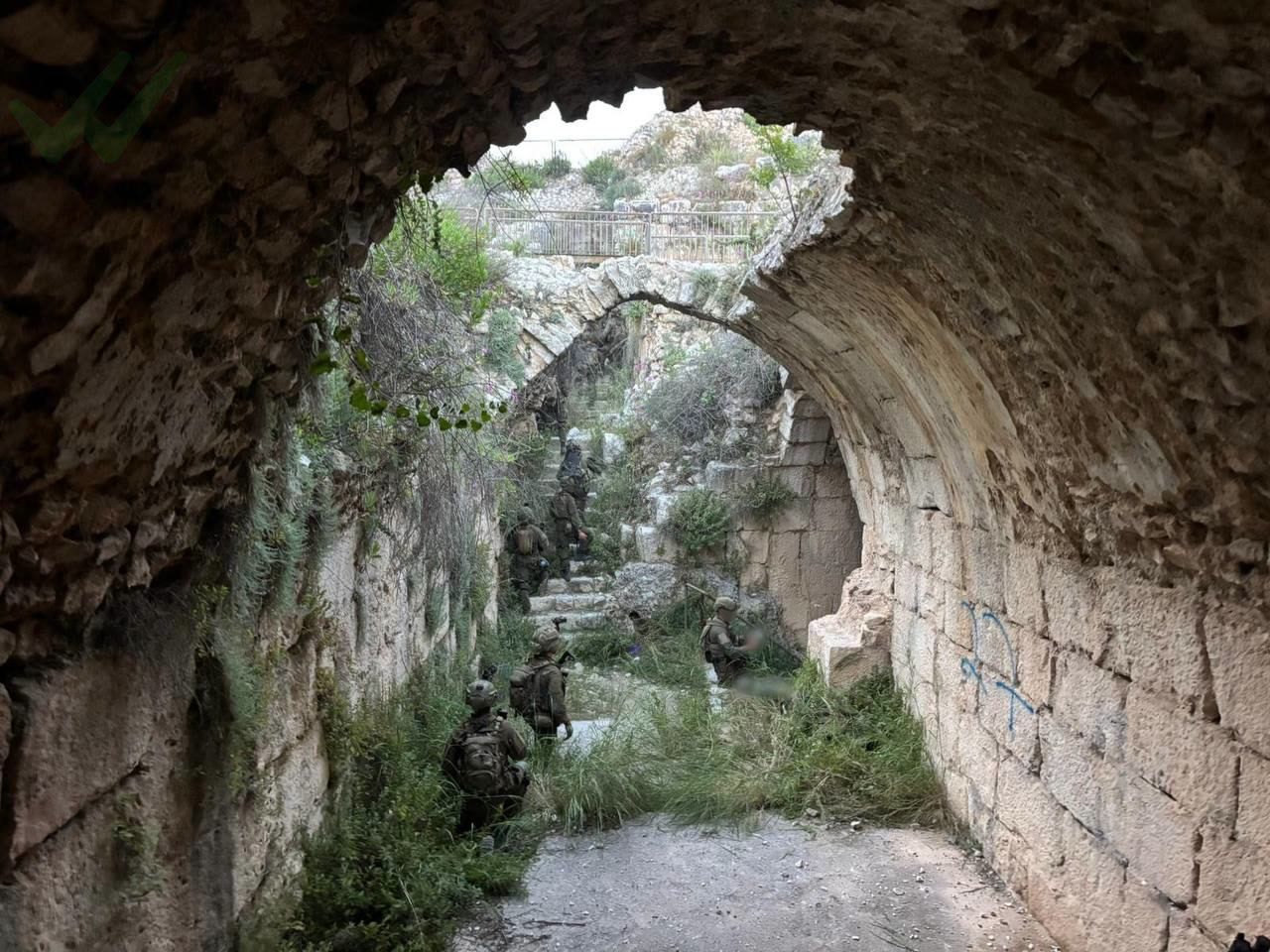
Wadi al-Saluki has also been etched into Israeli military memory. During the Second Lebanon War in 2006, IDF forces fought a difficult battle there against Hezbollah anti-tank teams, suffering heavy losses. The area’s terrain, steep valleys, ridges and built-up villages, gives Hezbollah opportunities for concealed movement, firing positions and ambushes.

Soldiers retracing steps taken by their comrades before they were born.
Soldiers retracing steps taken by their comrades before they were born. (IDF)

The current operation comes after months of escalating Hezbollah rocket, missile and drone attacks on northern Israel, including repeated threats to Kiryat Shmona, Metula and nearby communities. Many residents of the north have spent long periods displaced or living under fire, while Israeli officials have increasingly warned that the previous containment policy could not continue.

By pushing into the Beaufort-Saluki area, the IDF is seeking to disrupt Hezbollah’s ability to threaten the Galilee from commanding terrain and fortified positions. The operation also sends a broader message to Lebanon and Hezbollah: Israel is prepared to move the battlefield deeper into southern Lebanon if attacks on the north continue.

IDF soldiers inside the fortress.
IDF soldiers inside the fortress. (IDF)
Ready for more?

Join our newsletter to receive updates on new articles and exclusive content.

We respect your privacy and will never share your information.