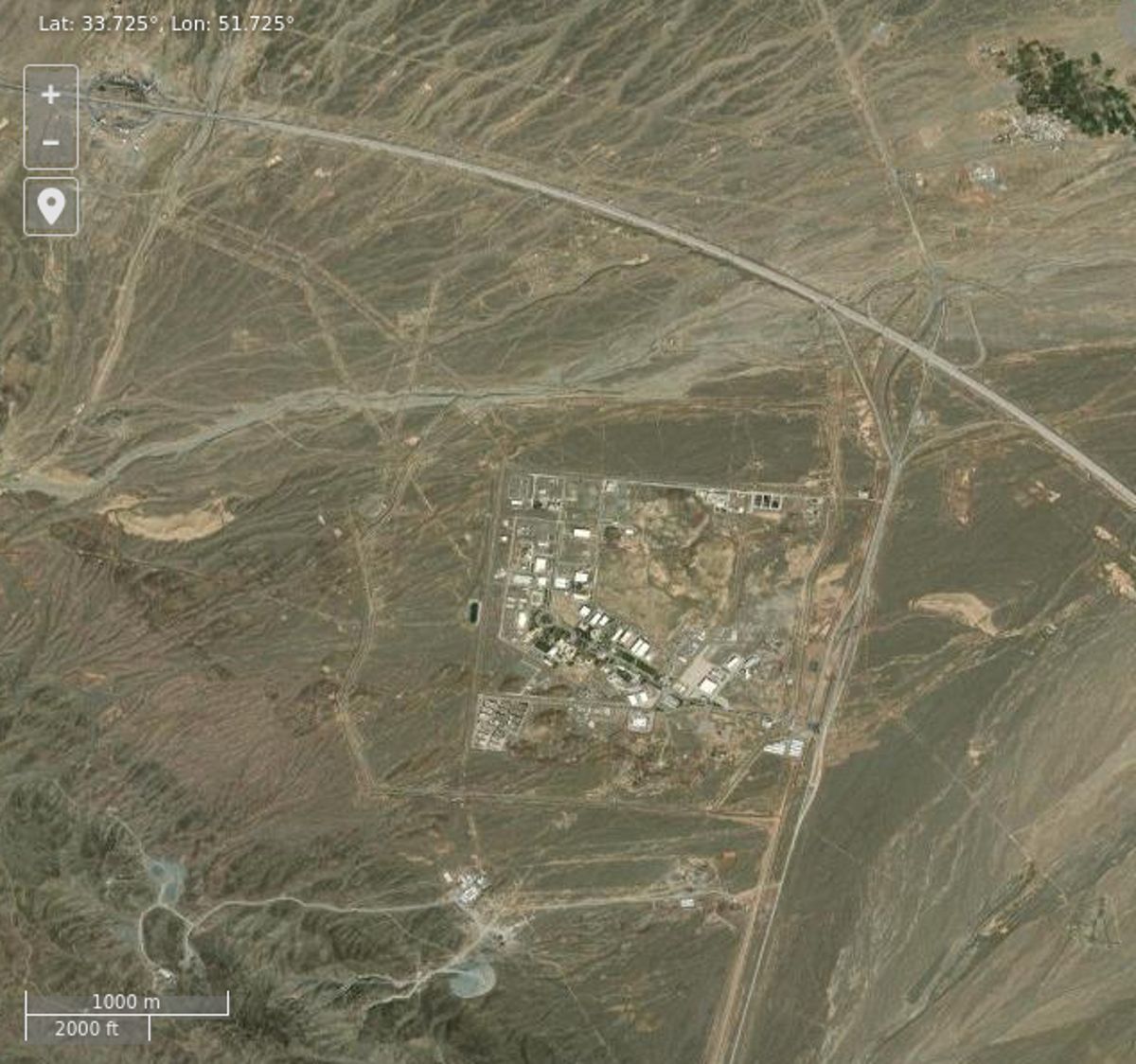
The latest intelligence reports from global monitoring networks have unveiled detailed tactical developments deep inside Iran heavily fortified nuclear installations. New satellite photographs show a close look at the operational activities inside several key nuclear sites, revealing the exact positions of tunnel openings, support vehicles, and sudden roadway obstructions. These images supplement older surveillance files that historically documented ongoing atomic development in the region, coming at a time when verbal threats between regional adversaries have reached a fever pitch.
The initial sequence of the aerial footage zeroes in directly on the prominent nuclear facility at Natanz, providing a sharp closeup view of mountain tunnel entrances located around Pickaxe Mountain. Analysts noted a cluster of transport vehicles stationed at the western entrance of the main tunnel complex, indicating active underground logistical operations. Further imaging captured the underground enrichment plant at Fordow, where newly placed physical obstacles were observed blocking the main access roads leading into the secure perimeter.
Additional photographs focus on the sensitive nuclear installation in Isfahan and its adjacent subterranean tunnel networks, highlighting a pattern of defensive modifications. This data follows earlier satellite coverage from May which raised pressing questions regarding the structural modifications underway within the deep underground bunkers. Historical comparisons from April revealed that two eastern tunnel entrances at the complex had been partially blocked with large mounds of earth, a tactic apparently designed to restrict rapid vehicular access to the secure openings.
In contrast, earlier surveillance files from April 1 showed these specific tunnel entrances completely open and entirely free of physical obstructions. While the newly deposited earth and debris do not fully conceal the massive entryways, they are strategically positioned to severely complicate the rapid entry and exit of support vehicles. This protective activity has drawn intense scrutiny because the deeply buried tunnel complex is uniquely capable of shielding high value atomic hardware and radioactive materials from conventional airstrikes.
The revelation of these defensive measures coincides with a massive escalation in rhetoric between defense leaders in the region. Israeli Defense Minister Israel Katz delivered an address at an official memorial ceremony for fallen soldiers, openly threatening a potential future military strike against Iranian soil. In his speech, Katz stated that the events of October 7 illustrated to all of us one clear truth, we must not wait until the threat knocks on the doors of our homes. He went on to warn that we struck twice with proactive preemptive strikes in Iran, and if necessary, we will strike a third time.
Iranian Foreign Minister Araqchi issued a fierce response to the military threats, demanding international intervention from the United States administration. Araqchi stated that Trump promised to restrain his pets in Tel Aviv, and if he does not do it, we will do it. Despite the aggressive public posturing, separate reports indicate that the United States and Iran have quietly reached an understanding regarding the release of billions of dollars in frozen Iranian assets overseas.
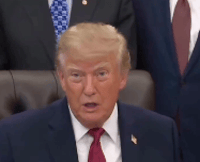
United States President Donald Trump addressed the sensitive nuclear situation during a briefing with reporters, expressing optimism regarding international pressure. Trump stated that the disarmament of Iran from nuclear weapons is progressing well, noting that there have been a few good meetings and we will see how it goes. The president concluded his briefing by stating that we hit them hard for three nights but it is going well, and oil prices are dropping right now.