
Get our mobile app
Download on the App StoreGet it on Google Play

Gulf Tensions

UAE Allegedly Sent Billions to Iran

Unconfirmed reports claim the United Arab Emirates unfroze up to $20 billion in Iranian assets and transferred cash, gold, and aircraft to Tehran to avoid regional attacks. Abu Dhabi strongly denies the allegations.

UAE army
UAE army
UAE army (Photo: UAE Ministry of Defense, @modgovae)

Has the United Arab Emirates broken ranks with its regional allies and secretly transferred billions of dollars to Iran's government? New reports based on unidentified sources in Tehran claim that Abu Dhabi agreed to unfreeze Iranian assets worth between $10 billion and $20 billion. According to these accounts, approximately $3 billion has already been transferred, along with roughly two tons of gold valued at around $283 million and assistance in delivering about 15 used passenger aircraft to help restore Iran's civilian aviation fleet.

The story, first reported by Reuters in June 2026 citing four separate sources, raises serious questions about the stability of regional alignments against Iran. The reports suggest the move was tied to Abu Dhabi's alleged attempt to shield itself from direct Iranian threats and attacks amid regional confrontation involving the United States and Israel—a step that Iranian sources reportedly characterized as a blatant effort "to buy quiet."

Flight tracking data has added fuel to the speculation. A Royal Jet executive aircraft from Abu Dhabi (registration A6-RJA) was recorded making two brief flights to Iran on August 11 and 12, 2026—one to Mehrabad Airport in Tehran and another to Payam Airport near Karaj. The aircraft remained on the ground for only between half an hour and an hour during each visit before returning.

While this confirms intensive contact between the two countries, there is no definitive proof that the aircraft carried unusual cargo. Nevertheless, the timing and frequency of the flights have raised significant suspicion among regional observers. According to the initial reports, the alleged arrangement was designed to allow the Emirates to avoid Iranian attacks on its energy and commercial infrastructure.

Military blockade
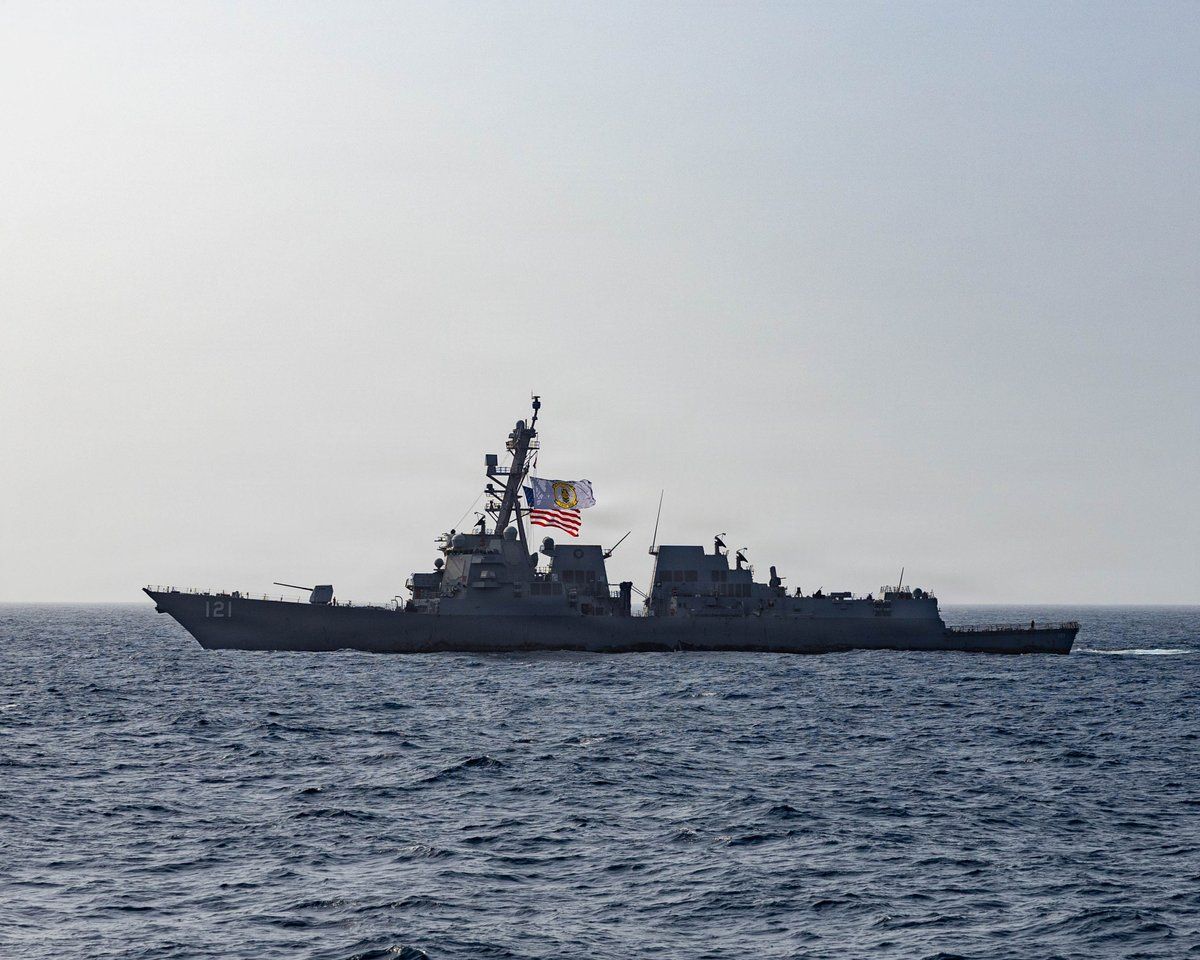
Military blockade (Photo: CENTCOM)

Emirati officials have categorically rejected the claims. When the reports first surfaced in the summer, Abu Dhabi's Foreign Ministry dismissed them as "completely false and baseless," emphasizing unequivocally that no transfers of frozen Iranian funds had been conducted through the banking system on its territory. Official sources in the Emirates stress that trust with Iran's theocratic regime remains extremely fragile, and any future arrangement would require ironclad guarantees.

Meanwhile, diplomatic officials in Washington have maintained ambiguity and have not confirmed the specific transfer allegations, while continuing to enforce strict sanctions on Tehran's illicit trade channels. President Donald Trump recently issued a sharp warning to Iran, making clear that the window for achieving a diplomatic breakthrough between the two countries is extremely narrow.

UAE fighters training
UAE fighters training (Photo: UAE Ministry of Defense, @modgovae)

The complex affair continues to expose the delicate seam between economic interests, existential security fears, and secret diplomacy in the Gulf. While Iran and Oman are quietly advancing plans for control over shipping traffic through the Strait of Hormuz, it appears Abu Dhabi is also trying to navigate between a rock and a hard place. The central question is whether this represents a legitimate attempt to avoid escalation or a dangerous breach in the regional front against the Iranian regime.

Tensions in the Persian Gulf have intensified in recent days following repeated statements by Trump regarding the Strait of Hormuz, with the American president making clear that the United States would resort to powerful military action if talks with Iran fail. Against this backdrop, the Emirates appears to be navigating carefully between American pressure and direct Iranian threats.

Ready for more?

Join our newsletter to receive updates on new articles and exclusive content.

We respect your privacy and will never share your information.

Enjoyed this article?

Yes (12)
No (0)
Follow Us:

Unmissable content


Loading comments...

Also of Interest