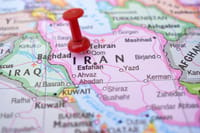
The diplomatic framework between the United States and Iran has hit a dangerous obstacle following an aggressive public condemnation from top lawmakers in Tehran, who are explicitly questioning the global authority of the White House. The sudden geopolitical friction developed on Sunday evening after the head of the National Security and Foreign Policy Committee of the Iranian Parliament issued a direct military warning. The verbal escalation has triggered immediate security movements across the region, forcing the Israeli security cabinet to organize an emergency session tonight to address the rapidly deteriorating threat landscape.
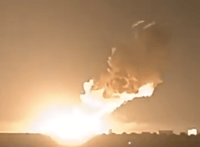
The intense rhetoric from the legislative leadership in Tehran highlights a growing refusal within the Islamic Republic to accept Western diplomatic constraints following recent cross border actions. The head of the national security committee, Ebrahim Azizi, explicitly blamed Washington for the heavy aerial operations executed by the Israeli Air Force within the Lebanese capital earlier in the day. Azizi stated directly that the crime of the Zionist regime today in Dahiya, Beirut, proved once again that the United States is weak and unreliable, as it is not even capable of controlling this illegitimate regime, concluding his official declaration with a clear threat that a strong response is on the way.
Concurrently, international intelligence channels have revealed that the Biden administration is engaging in a massive, behind the scenes diplomatic salvage operation to prevent a full scale regional war. High level diplomatic sources confirmed to N12 that the United States is actively applying intense pressure on Iran not to respond to the Beirut bombardment. Washington is utilizing various European and Arab intermediaries to convince the general staff in Tehran that a massive ballistic missile retaliation will permanently ruin the economic benefits tied to the pending peace treaty.
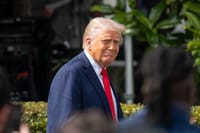
Despite the severe military tension and the visible mobilization of missile units across the Islamic Republic, President Donald Trump has maintained an exceptionally confident public posture regarding the survival of the diplomatic track. Speaking to reporters ahead of the impending European summit, the president completely dismissed the idea that the localized airstrikes would freeze months of intensive negotiations. Trump projected an unprecedented timeline for the finalization of the framework, asserting to the press that a deal will be signed within two to three hours.
The stark contrast between Trump's extreme optimism and the reality on the ground has forced domestic defense officials to prepare for the absolute worst case scenario. The sudden accumulation of direct intelligence indicating an imminent missile launch from Iranian territory has shattered any remaining diplomatic complacency within the political echelon in Jerusalem. Against the backdrop of the escalating confrontation, prime minister Benjamin Netanyahu has ordered all members of the high level security cabinet to assemble for an emergency operational review this evening to finalize pre emptive strike options and defensive alignments.