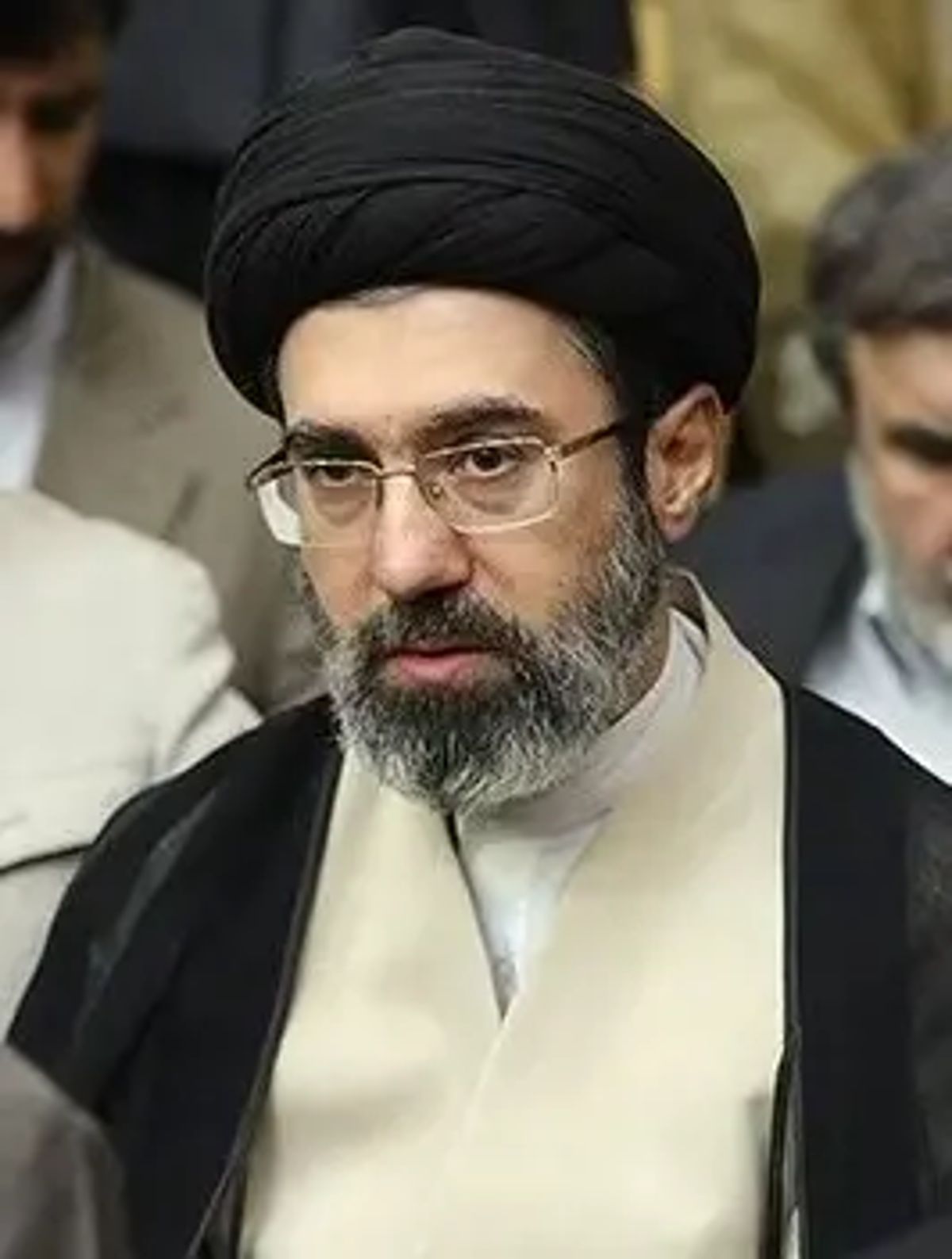
As the war against the Iranian regime intensifies, the Israeli defense establishment has confirmed that Mojtaba Khamenei, the newly appointed Supreme Leader, is a top priority target for the IDF. While the official goals of the war do not explicitly include "regime change," senior officials in Jerusalem are closely watching for signs of internal collapse. There is a growing belief within the security cabinet that a combination of devastating military strikes and the physical incapacitation of the new leader could provide the necessary opening for the Iranian people to renew their protests and bring down the government. Currently, Mojtaba Khamenei remains out of the public eye, leading Israeli officials to conclude that he is either in deep hiding or is physically unable to appear due to injuries sustained in a recent assassination attempt.
The Mystery of the New Leader
Israeli security sources are operating under the assumption that the "junior" Khamenei is currently incapacitated. Following reports from CNN that he suffered a broken foot, facial cuts, and a severe eye injury during the opening strikes of the war, his continued absence from state television has been noted by intelligence analysts. "He is either hiding or he has some kind of limitation preventing him from being exposed," a security official noted on Wednesday. This lack of visibility is creating a leadership vacuum in Tehran at a time when the regime is facing its greatest military challenge since 1979. Israel views this period of uncertainty as a critical window, where the "great unknown" the Iranian people might choose to reclaim their country from the Ayatollahs.
Banking on a Civil Uprising
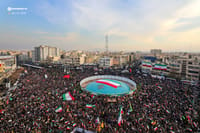
The Israeli strategy is increasingly focused on the psychological state of the Iranian public. Security officials emphasize that the most significant factor that could influence the outcome of the war is whether the Iranian people choose to take to the streets in mass numbers. Jerusalem believes that the accumulation of military losses, the destruction of the national navy, and the visible weakness of the leadership could trigger a historic opportunity for revolution. "The great unknown is the Iranian people," officials stressed, indicating that while Israel will continue to strike military targets, the ultimate end of the regime may come from within. The hope is that the current pressure will act as a catalyst for a movement that the regime’s weakened internal security forces can no longer suppress.
Defining Victory
During a security discussion held this evening with Prime Minister Benjamin Netanyahu and the senior defense leadership, the focus remained on the long-term survival of the Iranian regime. While the military is focusing on "shattering" infrastructure, the political echelon is waiting for the Iranian public's response to the recent developments. The picture is expected to become much clearer in the coming days as the impact of the strikes on Iran's economy and military prestige becomes undeniable to the average citizen. For Israel, the ideal conclusion to the war would not just be a ceasefire, but the total removal of the Iranian threat through a combination of external military force and internal civilian pressure.