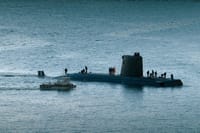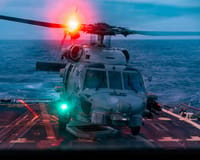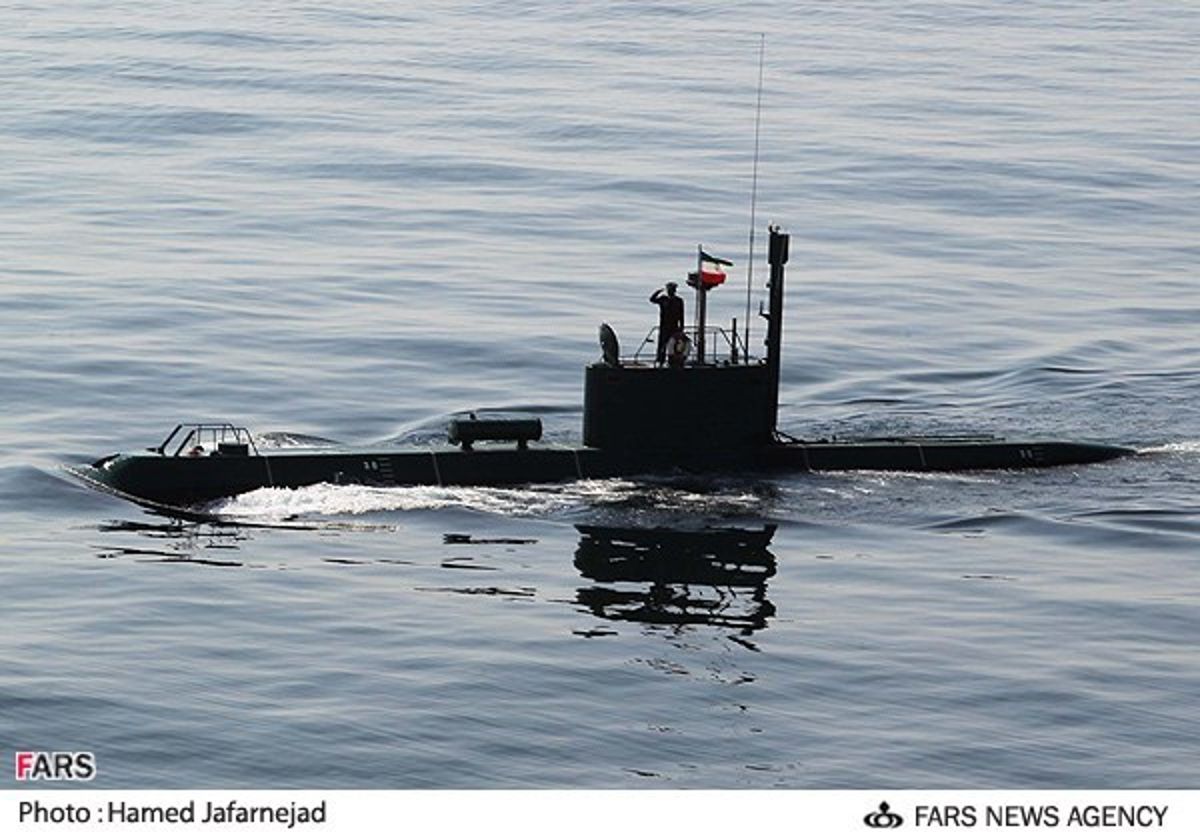
A serious maritime security dispute has erupted following conflicting accounts of a hostile naval confrontation in the strategic waters of the Gulf of Oman. The Iranian military issued an official declaration asserting that its naval assets launched a successful strike against a United States navy guided-missile destroyer. The incident occurred near the crucial shipping lanes of the Strait of Hormuz, an area currently experiencing heightened military readiness from global naval forces.
According to the statement released by the spokesman for the Iranian armed forces, the naval operation was initiated in direct response to alleged aggressive maneuvers by the American military. Tehran claimed that the United States vessel had violated international navigation regulations and entered proximity to Iranian territorial waters. The regime further alleged that the targeted destroyer was functioning as a critical maritime command and control center, and that their forces confirmed a physical impact on the hull.
The United States military issued a swift, unequivocal denial through its Central Command, stating that the hostile regime is fabricating the entire encounter. Pentagon officials confirmed that American military assets in the theater continue to fly, sail, and operate safely without any disruption. Naval authorities emphasized that the claims were completely false, reassuring international shipping partners that the coalition retains absolute control over safe passage through the vital transit corridors.
The rhetoric from Tehran extended beyond the immediate maritime clash, with military officials revealing that their radar networks are actively monitoring combined Israeli and American deployments. The Iranian naval command committed to responding with severe velocity to any future hostile actions in the region. They explicitly stated a desire to avenge previous naval losses, including personnel killed during a prior encounter involving the domestic destroyer Dana.
This naval friction coincides with broader warnings from regional diplomats regarding the potential expansion of current territorial wars. The exchange highlights the volatile environment where minor maritime misunderstandings can threaten to ignite larger regional confrontations. While shipping companies remain on high alert, global naval assets continue to maintain standard patrol formations to deter unilateral aggression and ensure open trade routes.