Get our mobile app
Download on the App StoreGet it on Google Play

Political terror threat

Lebanon demands Hezbollah disarm

Hundreds of kilograms of C-4 plastic explosive seized en route to Dahieh as European intelligence warns Unit 121 , the Hezbollah assassination squad that killed former PM Rafik Hariri, may be preparing to strike President Joseph Aoun and PM Nawaf Salam, both now branded traitors by Iran

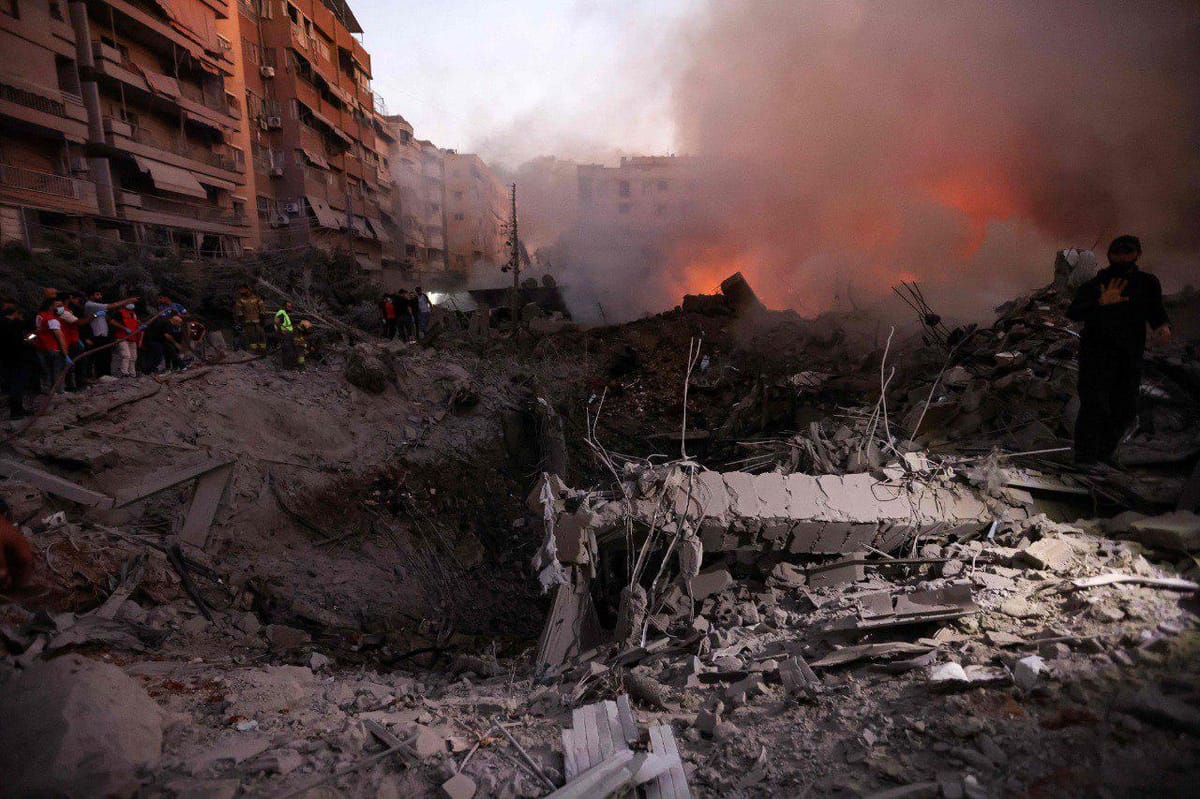
Destruction in Dahieh
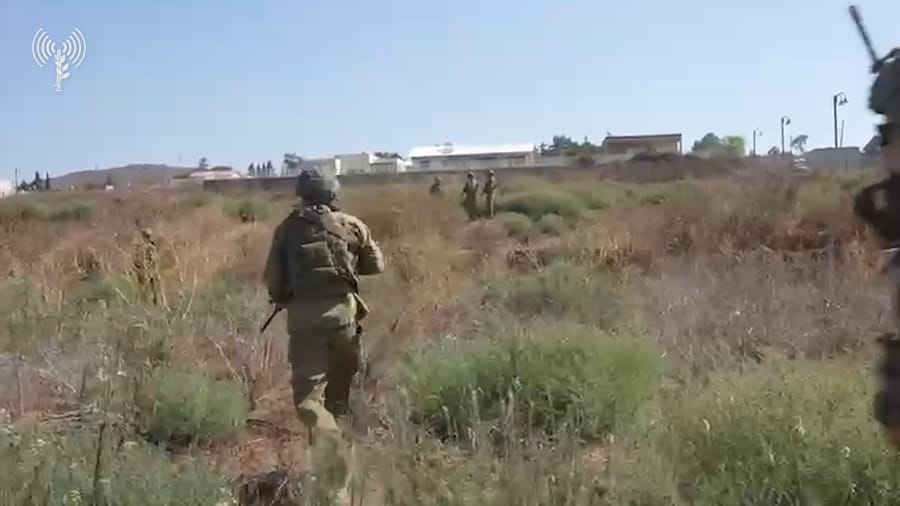
Drilling dozens of scenarios and managing breaking incidents:
Drilling dozens of scenarios and managing breaking incidents: (Photo: IDF)

An unprecedented upheaval is unfolding in Lebanon: the new government in Beirut, led by President Joseph Aoun and Prime Minister Nawaf Salam, is taking a firm and determined line against Hezbollah terror. The government is demanding, in unambiguous terms, the dismantling of all non-state weapons and has banned outright any military activity by the group, hoping to establish a full security monopoly under the Lebanese army.

The move marks a dramatic shift in Lebanese policy and effectively dismantles the "state within a state" model that has characterized Lebanon for decades, during which Hezbollah controlled vast areas in practice and maintained an independent military force outside state authority.

The response from Hezbollah and its patron Iran was swift and venomous: Aoun and Salam have been publicly branded "traitors" collaborating with foreign powers, and relations between the new government and the organization have deteriorated from "uncomfortable partnership" to direct frontal confrontation. In the corridors of power in Tehran, the Lebanese move is seen as a direct threat to Iranian interests in the region.

Fears of an explosion became tangible with the seizure of hundreds of kilograms of C-4 plastic explosive en route to the Dahieh district of Beirut. In the West, there are concerns that Unit 12, Hezbollah's covert assassination unit, which was responsible for the killing of former Prime Minister Rafik Hariri in 2005, is preparing for a dramatic operation to bring down the new government.

European and American intelligence warnings have led to an unprecedented maximum elevation of security around Aoun and Salam. Salam himself declared forcefully: "We will not be soft... we will pursue all those involved and expose their plans."

The European Union and the United States have already dispatched task forces and issued grave warnings to Tehran, in what appears to be an existential battle over Lebanon's character, sovereignty and future. The international community is closely monitoring developments as tensions in the Middle East rise.

The new Lebanese government faces a dual challenge: on one hand, it is attempting to establish state sovereignty and restore control over all Lebanese territory. On the other, it must contend with real threats to the lives of its leaders and to the stability of the entire regime.

The developing confrontation in Lebanon reflects a broader struggle for influence in the region, as Iran attempts to preserve its grip on Lebanon through Hezbollah, while the West supports the new government in an effort to curtail Iranian influence.

Ready for more?

Join our newsletter to receive updates on new articles and exclusive content.

We respect your privacy and will never share your information.

Enjoyed this article?

Yes
No
Follow Us:
1

Unmissable content


Loading comments...

Also of Interest