Get our mobile app
Download on the App StoreGet it on Google Play

Escalation in the Eastern Mediterranean

Turkey's drone swarms drain Greek coffers

Six Turkish UAVs carried out eight airspace violations and five intrusions into Greek territory; Athens scrambles F-16s at millions per sortie while Ankara pays a fraction of the cost | The tactical shift changing the rules of engagement in the eastern Mediterranean

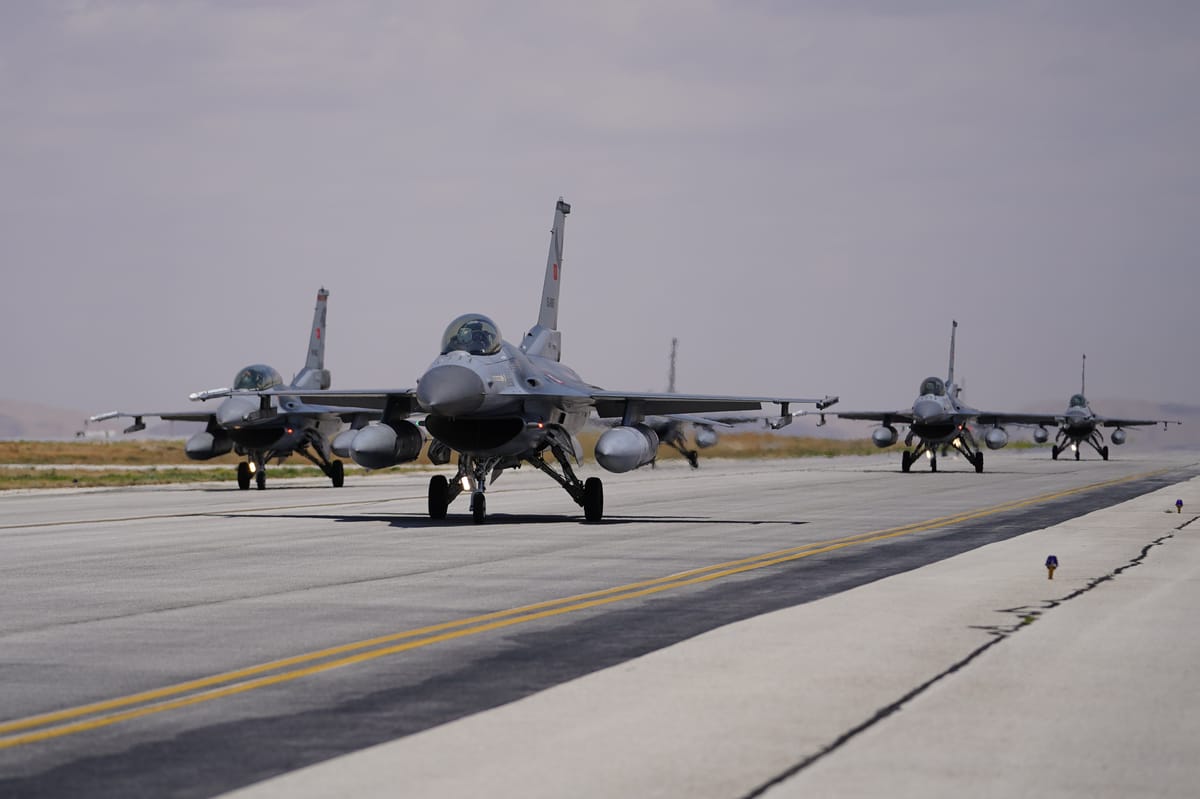
Turkish Air Force aircraft

An unusual incident unfolded in the Aegean airspace: six advanced Turkish unmanned aerial vehicles penetrated the Athens Flight Information Region (Athens FIR), recording eight violations of aviation regulations and five intrusions into Greek national airspace. Greek Air Force F-16 fighters scrambled urgently, identified the aircraft and intercepted them according to protocol.

Behind the incident lies a dramatic tactical shift by Turkey. Instead of expensive simulated "dogfights" between manned F-16s, Ankara has moved to continuous deployment of inexpensive drones, models such as Bayraktar, Anka and Aksungur. The objective: intelligence gathering, testing Greek defence systems and economic attrition of Athens, which is forced to burn millions and costly flight hours on every scramble.
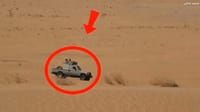
Danger in the air: drone cuts across passenger jet's path

Athens' greatest fear is a civilian aviation disaster. A Turkish drone recently approached the departure path of an Aegean Airlines passenger aircraft near Alexandroupoli, forcing air traffic controllers and F-16 pilots to hastily divert the civilian plane to an alternate route and lower altitude until the danger passed.

The Turkish escalation comes days after the strategic visit of US Secretary of State Marco Rubio to Athens, a visit in which he emphasised Greece as a central partner of the United States in security and energy. The Turkish activity is seen as a calculated show of force by Ankara in the contest over gas, oil and undersea cable infrastructure in the eastern Mediterranean.

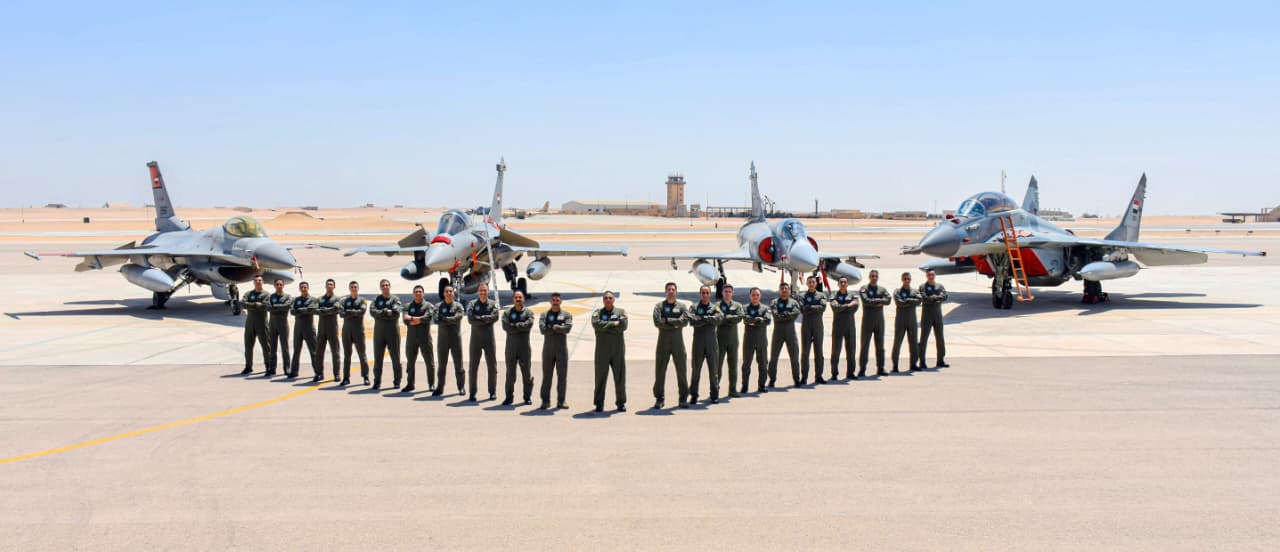
Tactical exercise between Egyptian and Greek armed forces
Tactical exercise between Egyptian and Greek armed forces (Photo: Official Spokesperson of the Egyptian Armed Forces)

The strategic significance

The use of drones represents a significant shift in the patterns of confrontation between the two countries. While Turkey previously sent manned fighter jets with high operational costs, it now deploys unmanned aircraft at a fraction of the expense. Every scramble of Greek F-16s costs Athens millions, while Turkey pays a small portion of that sum to launch the drones.

According to the 2026 global military power ranking, Turkey ranks first in the region and ninth worldwide, while Greece ranks sixth regionally. The Turkish military is the second largest in NATO, and the country enjoys a thriving domestic defence industry producing drones, aircraft and defence systems.

Greece, for its part, is strengthening cooperation with the United States and other countries in the region. The recent visit of the American Secretary of State to Athens underscored Greece's strategic importance to Washington, particularly in energy and security in the eastern Mediterranean.

Ready for more?

Join our newsletter to receive updates on new articles and exclusive content.

We respect your privacy and will never share your information.

Enjoyed this article?

Yes
No
Follow Us:

Unmissable content


Loading comments...

Also of Interest