Beloved Israeli singer and political commentator Yoav Eliassi has been publicly critical of Lior Raz. He said so himself.
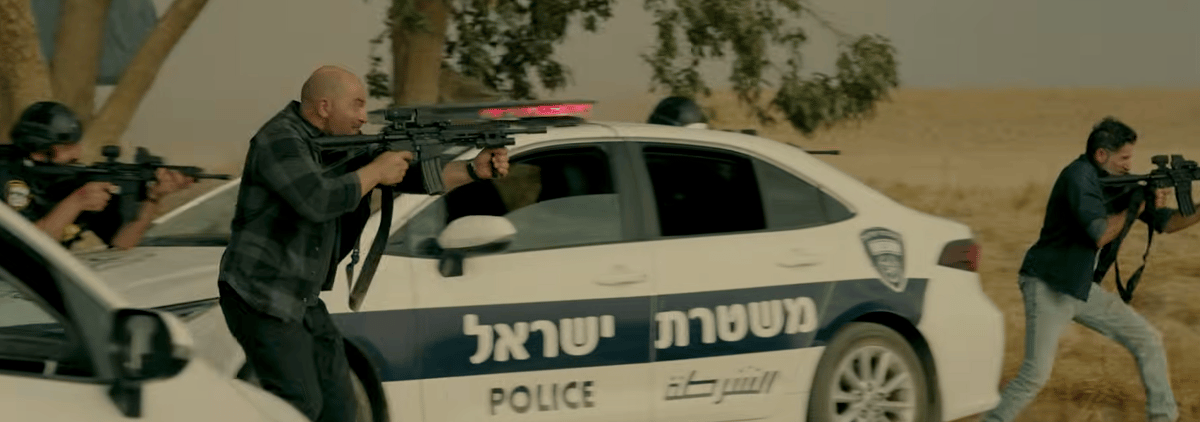
But Wednesday morning, he set that aside entirely to deliver one of the most powerful responses yet to Fauda Season 5's landmark October 7 episodes.
"Whoever didn't watch yesterday's two episodes of Fauda and is moving on because someone recommended they skip them is making a mistake," he wrote. "You must watch it. You must share it."
His verdict was unequivocal. "This is one of the most shattering things I have ever seen. And it is so important."
Eliassi did not spare the details. He described watching the cinematography, the direction, and the acting at what he called a Hollywood level, but said the content itself was what broke him. "The screams, the dead children, the blood, the chaos, the terror, the blood between the legs of rape victims, the dead children." He anticipated the pushback and answered it directly: "There will be those who say this is exaggerated. It is not exaggerated. Reality was harder."
The Deeper Argument
His post was not simply a rave review. It turned into something more substantial: a searing indictment of Israel's decision, from the beginning, to shield the world from the full visual documentation of what happened on October 7.
"I genuinely believe that all the footage from that day should have been released to the world. All of it. Without censorship and without filters. The harder, the more graphic, the better. Maybe then we would have had a small chance of winning the hasbara war that was forced upon us, a war we have fought almost nonexistently and failed at."
He framed it as a paradox rooted in Jewish character itself. "Because we are Jews, merciful children of the merciful, because of our hearts, we hide the horrors we went through. And then when the world is shown dozens of graphic images from Gaza, we have almost nothing to present from the massacre we experienced. Not because it didn't happen. But because we chose not to expose it."
Fauda, he said, is at least partially correcting that. "This time, it changes the game a little."
His one criticism of the episodes themselves: he felt the show should have stated more explicitly, repeatedly and forcefully, that the events depicted are real. That this is not a Hollywood script, not imagination, not exaggeration, but a reality that an entire people lived through in their flesh.
The Aftermath
What he described in the closing lines of his post may be the most honest account yet of what these episodes do to a viewer. "When it ended I sat for almost three hours in front of my phone. Scrolling videos without purpose, sinking."
There is no review score in that. There doesn't need to be.