
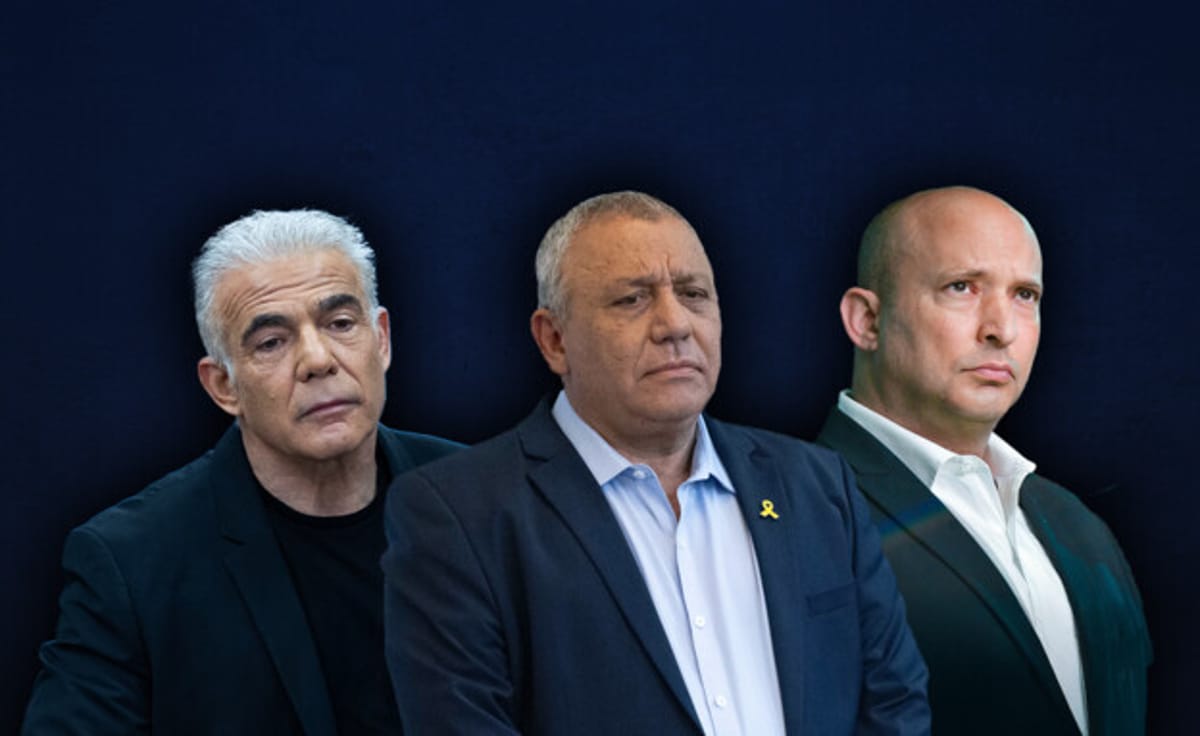
Former prime minister Naftali Bennett publicly called on Gadi Eisenkot to reach an agreement on a joint political run, warning that a split between the parties would be a serious mistake ahead of the election.
Speaking at a Yedioth Ahronoth and Sapir College conference, Bennett said the anti-Netanyahu camp could win only if it runs as a united bloc led by a figure from the right.
“Eisenkot’s idea that we should run separately is a grave mistake,” Bennett said. “The people want us to unite. The only way to win the election is with a united bloc headed by a right-wing figure. My right-wing positions are well known.”
The remarks directly addressed one of the main obstacles in talks between Bennett and Eisenkot: who would lead a possible joint slate.
Eisenkot’s Yashar party has been rising in recent polls, strengthening his position as a potential leader of the opposition bloc. Bennett, however, argued that electoral math and public psychology make a right-wing leader essential for defeating Prime Minister Benjamin Netanyahu.
Asked directly whether placing Eisenkot, a former IDF chief of staff and former war cabinet member, at the head of the list would lead to defeat, Bennett answered clearly.
“Yes,” he said. “Only a right-wing person can.”
Bennett’s comments reflected his broader argument that many voters who are unhappy with Netanyahu will not cross fully into the center-left camp unless they feel the alternative government is led by someone with right-wing credentials.
The statement also sharpened the leadership struggle inside the opposition. Bennett is pressing for unity, but not at the price of giving up first place, while Eisenkot’s growing poll numbers give him less reason to automatically accept Bennett’s leadership.
The result is a central dilemma for the bloc: running separately risks wasting momentum, but uniting requires deciding who gets to stand at the front.