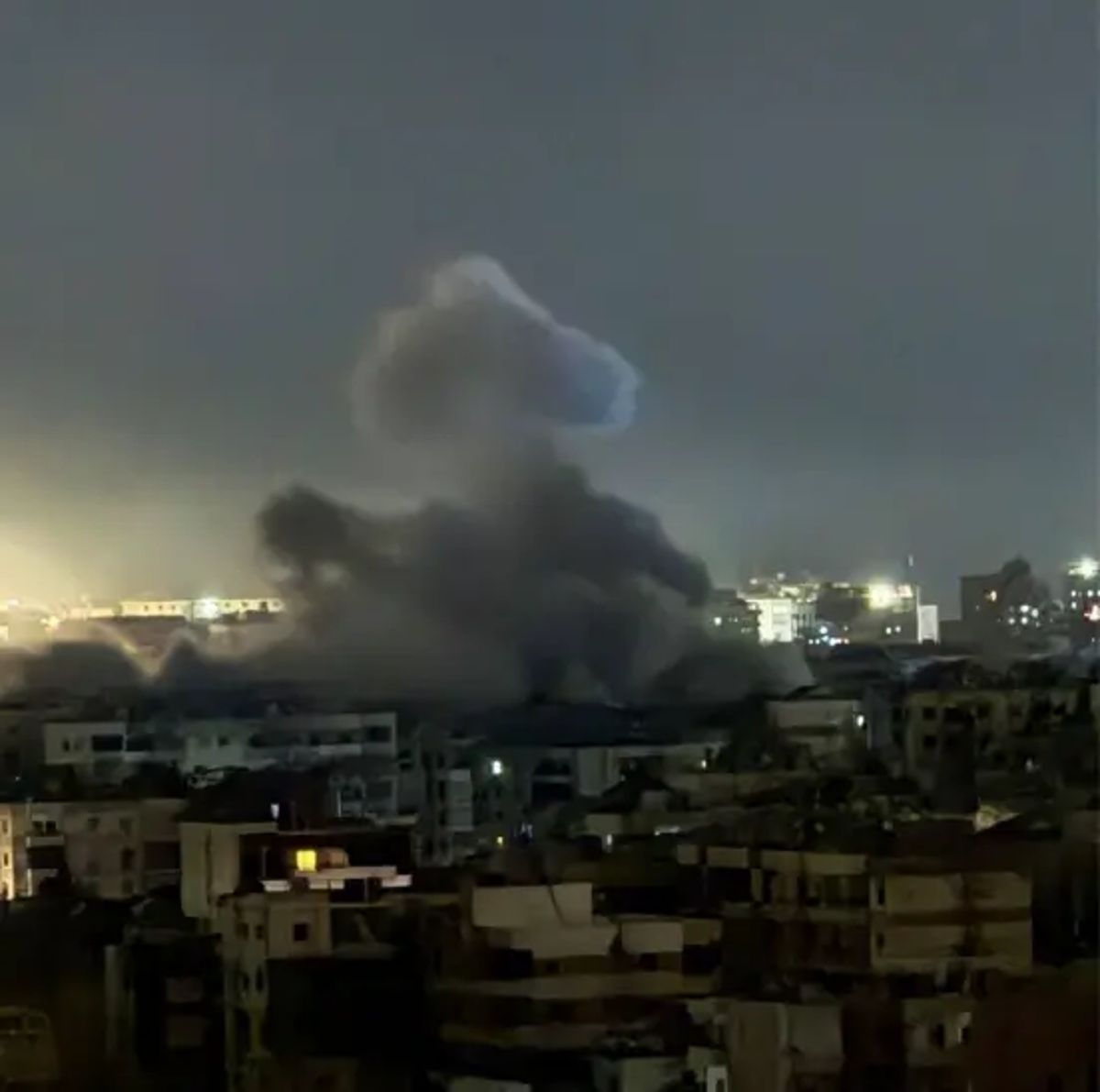
Even as rockets and missiles were mid-air toward Israeli cities, the Israeli Air Force launched an "extensive wave" of retaliatory strikes against Hezbollah’s primary stronghold in the Dahiyeh district of Beirut. Security sources revealed on Wednesday night that the IDF had received "preemptive information" from the Intelligence Directorate regarding the planned Hezbollah barrage, allowing Israeli jets to take to the skies and strike several launch sites before they could fire. However, the mission shifted into a wider offensive as the sheer scale of the coordinated Iranian-Lebanese attack became clear. The current wave of strikes is focusing on national infrastructure used by the terrorists, including high-rise towers that serve as observation posts and command centers, in an effort to cripple the organization’s ability to manage the ongoing war.
Preemptive Strikes and Intelligence Success
According to security officials, the Air Force was already active in the minutes leading up to the 100-rocket barrage. By hitting launchers in southern Lebanon early, the IDF believes it successfully reduced the total volume of fire that would have otherwise hit Israeli population centers. "The Intelligence Directorate brought early information about the barrage, and following it, the Air Force went out for strikes in Lebanon with the goal of reducing the scope of launches," a security source explained. Despite these efforts, Hezbollah still managed to launch a historic number of rockets, leading the IDF to broaden its target list to include strategic "towers" and buildings in the heart of Beirut.
Pounding the Dahiyeh District
The Dahiyeh district, known as the central hub for Hezbollah’s leadership and military planning, is currently under heavy bombardment. The IDF announced that these strikes are targeting "terrorist infrastructure" used for storing advanced weaponry and housing the group’s operational elite. The Israeli military is now hitting targets that were previously avoided, indicating a shift in the rules of engagement. "Hezbollah is acting like someone who feels they have nothing to lose," a security official observed, noting that the group's reckless fire toward central Israel has invited this massive retaliation. The goal of the current aerial campaign is to ensure that the "price" for attacking Haifa and Tel Aviv is the total destruction of Hezbollah’s home base in the capital.
Expanding the Campaign
The Israeli government has made it clear that it will not tolerate a war of attrition. By striking Beirut in real-time as the rockets fall on the Galilee, the IDF is attempting to force Hezbollah into a defensive posture. The military has stated that it will "respond with power to every threat" and that the Air Force will continue to hunt launchers and infrastructures across all of Lebanon. As the fires burn in Dahiyeh, the message to the Lebanese government is also sharpening: if the terrorist group is not restrained, the national infrastructure of the entire country may be the next target on the list.