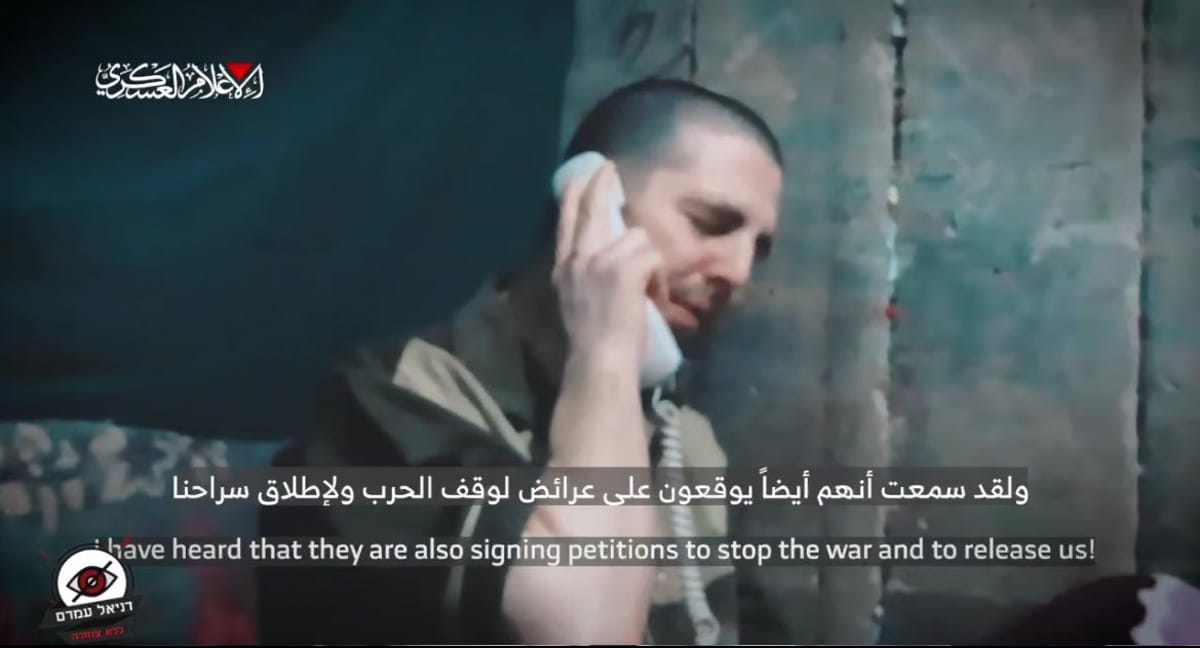
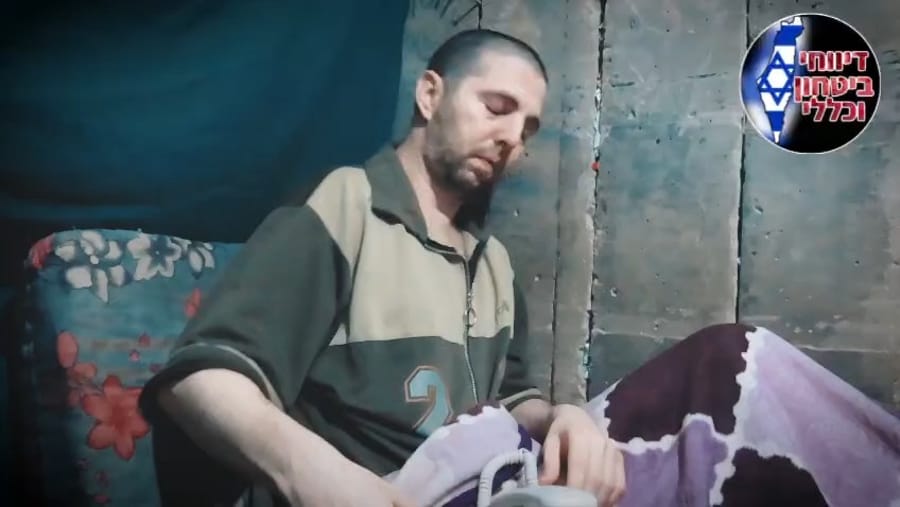
Hamas’s release of the video, described by commentators as psychological warfare, comes during stalled negotiations in Cairo, where mediators from Egypt and Qatar are pushing for a ceasefire and hostage-prisoner exchange. Sources close to the talks report Hamas’s willingness to release Bohbot, who holds dual Israeli-American citizenship, as a gesture to the U.S., but only within a broader agreement ensuring a 50-day ceasefire and eventual end to hostilities. Israel, however, insists on terms including Gaza’s demilitarization, a condition Hamas has rejected.
Bohbot’s family, while devastated by his condition, authorized the video’s broadcast to keep his plight in the public eye. “Every moment he’s there is torture,” a family spokesperson said, declining further comment. The decision aligns with a delicate balance in Israeli media, which avoids sharing Hamas propaganda without family consent to prevent spreading the group’s psychological tactics.
The video has sparked polarized reactions. Yaki Adamker, a commentator on social media, condemned those signing petitions for a ceasefire, arguing they “serve Hamas and its aspirations for our next murder.” He pointed to Bohbot’s scripted remarks as evidence of coercion, noting, “It’s clear he’s reciting what the terrorists dictated.” Recent petitions, signed by IDF reservists, veterans, and civilians, call for prioritizing hostage release, often through a ceasefire, citing the deteriorating conditions of the 100-plus captives still held since October 7, 2023.
Conversely, hostage families and activists argue that public pressure, including petitions, is critical to pressuring the government. Critics of Israel’s negotiation stance point to reports of significant gaps, with Hamas demanding a full IDF withdrawal from Gaza, while Israel seeks to retain security control and secure the release of all hostages, living and deceased.
Every time Hamas releases one of these videos, it brings to mind the ethical quandary facing Israeli society: how to respond to Hamas’s exploitation of hostages without undermining efforts to free them.
As talks falter, with Hamas rejecting Israel’s latest proposal over demilitarization demands, the fate of Bohbot and others remains uncertain. The video, while a painful reminder of their ordeal, does exactly what Hamas wants it to do: makes us crazy with grief and worry and pushes Netnayahu to make a stupid deal.