Fresh satellite imagery suggests Iran is taking new steps to restrict access to its heavily damaged Fordow nuclear facility, months after U.S. and Israeli strikes crippled one of the country's most fortified enrichment sites.
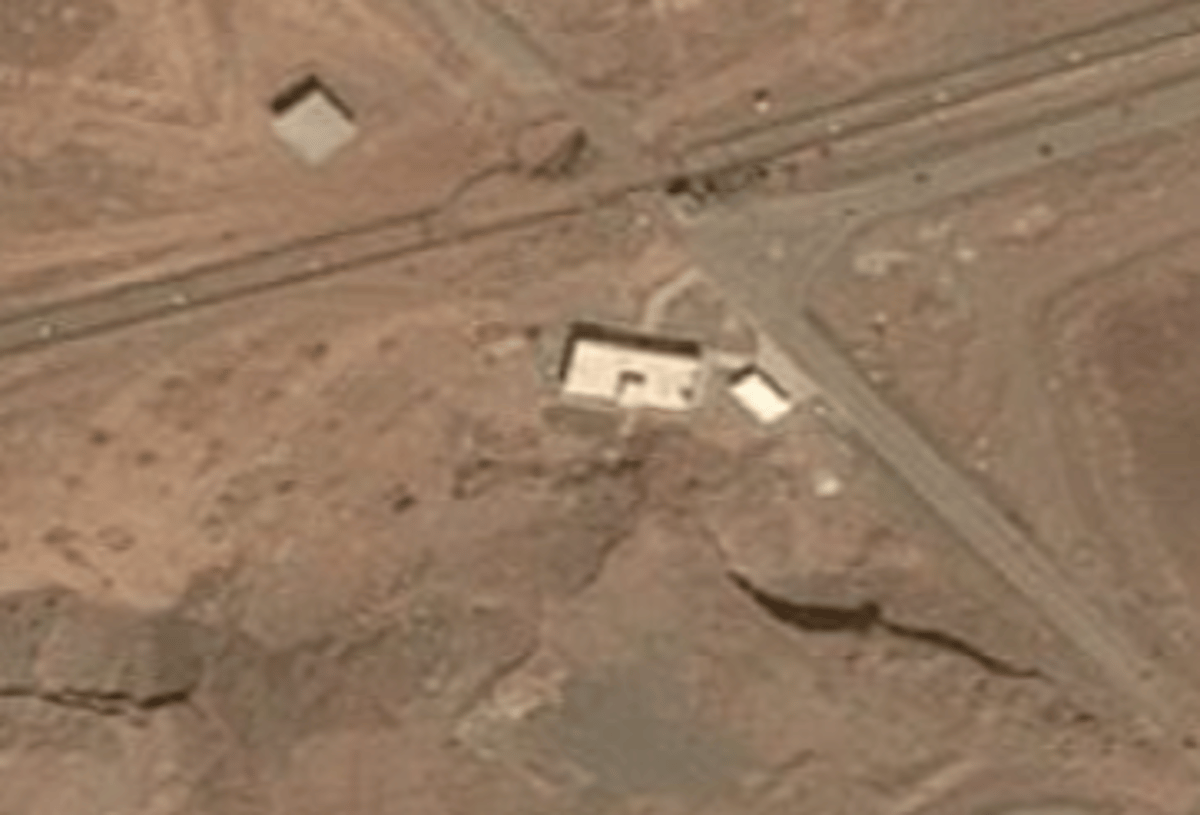
Images analyzed by nuclear researcher Spencer Faragasso and the Institute for Science and International Security (ISIS) show that by May 22, Iran had placed carefully arranged piles of dirt and rock in zigzag formations along roads leading to sealed tunnel entrances at Fordow. The obstacles, known as chicanes, are commonly used to slow vehicle movement and channel traffic through controlled routes.
The placement appears deliberate rather than the result of natural landslides or strike-related debris, according to the analysis released June 1.
Fordow, built deep inside a mountain near the city of Qom, was among the most heavily fortified components of Iran's nuclear infrastructure before suffering extensive damage during the 2025 conflict. U.S. bunker-busting munitions and Israeli strikes left visible craters, penetration holes, and significant destruction to underground sections of the facility.
Iran had already sealed many of the site's tunnels before the attacks. Satellite monitoring in the months since has indicated little activity beyond damage assessment and cleanup efforts.
The newly identified barriers may offer clues into Tehran's current concerns.
Unlike complete roadblocks observed at other nuclear sites, including parts of Isfahan earlier this year, the Fordow obstacles appear designed to impede rapid vehicle access while still allowing limited movement into the area. Analysts say such measures could complicate any potential ground operation aimed at reaching the tunnels.
By May 26, some of the barriers near Fordow's easternmost tunnel entrance appeared to have been partially or fully removed, though higher-resolution imagery will be required to determine the extent of the changes.
The appearance of the chicanes has fueled speculation about what Iran believes remains worth protecting inside the buried tunnel network. Possibilities range from residual equipment and traces of highly enriched uranium to a broader effort to deny outside access for inspection or verification purposes.