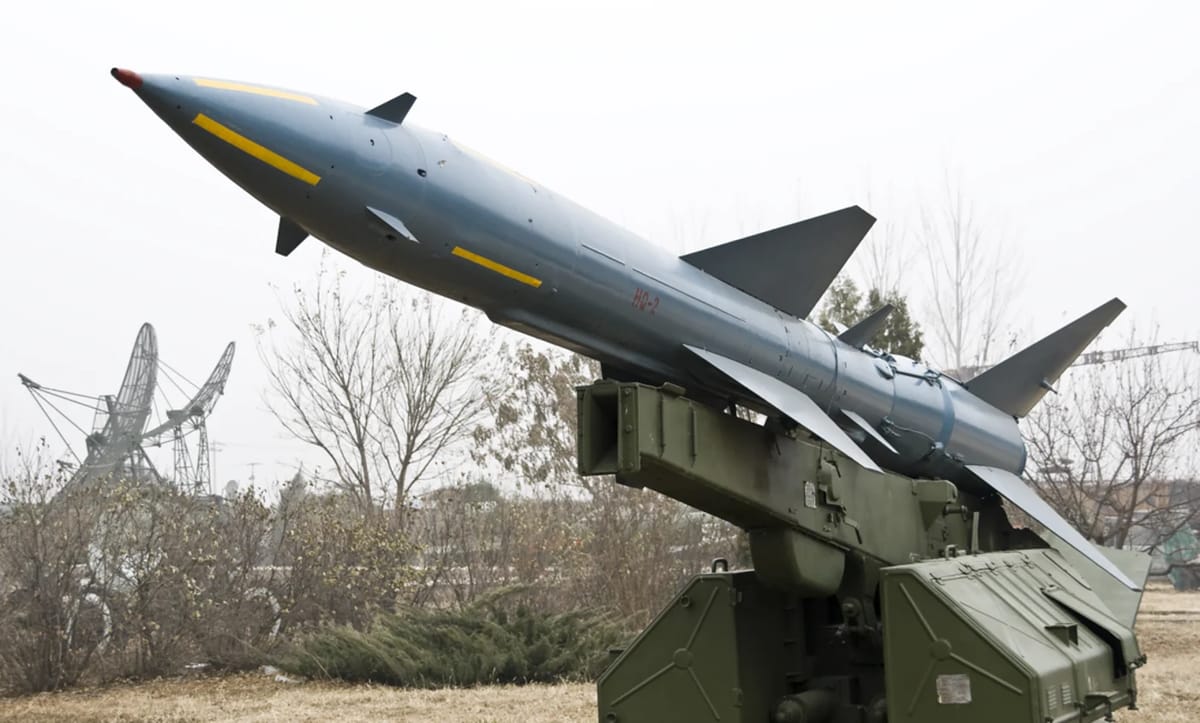
Iran has publicly confirmed for the first time that it carried out a test of an intercontinental missile, following reports of mysterious explosions and fires across the country. The announcement comes amid mounting friction with Israel, the United States, and Western powers.
Mohsen Zanganeh, a member of Iran’s parliament, said, “Two nights ago we tested one of the most advanced missiles in the country, which had not been tried until now, and it was successful.” He emphasized that the test was conducted “even under these circumstances,” a reference to ongoing tensions with Israel and unexplained incidents inside Iran.
Opposition-linked outlets, including the Saudi-funded Iran International, reported earlier that missile launches had been carried out near Tehran. According to those accounts, state-affiliated media and eyewitnesses shared footage showing smoke trails visible from the capital and northern cities including Gorgan, Sari, and Semnan. Social media posts also circulated images of glowing objects in the night sky, described as part of a “successful test of an advanced missile from Semnan.”
Iran’s state-run Fars News Agency, however, offered a different explanation. Citing a local security source in Golestan province, it described the sightings as an internal systems check rather than a missile test, and promised further details if necessary.
The missile launch adds to a series of unexplained incidents in recent months, explosions and fires at sensitive sites, which Iran’s opposition says point to instability and sabotage.
Meanwhile, Iranian President Masoud Pezeshkian insisted today that Iran will withstand any new sanctions, after the U.N. Security Council rejected a resolution to lift restrictions. Britain, France, and Germany have moved to reimpose penalties on Tehran under the so-called snapback mechanism.
“They block the path with snapback, but minds open it,” Pezeshkian said on state TV. “They cannot stop us. They can attack our nuclear facilities at Natanz or Fordow, but they do not understand that humans built them and will rebuild them again” as reported by Yynet.
The Security Council decision followed the European trio’s August 28 move, arguing Iran had violated the 2015 nuclear deal. If no compromise is reached within 30 days, sanctions will reapply on September 27.
Reinstated sanctions would include: an arms embargo; bans on uranium enrichment and reprocessing, a prohibition on launching or developing ballistic missiles capable of carrying nuclear warheads, asset freezes, travel bans on Iranian officials and companies and authorization for inspections of Iranian aircraft and ships.