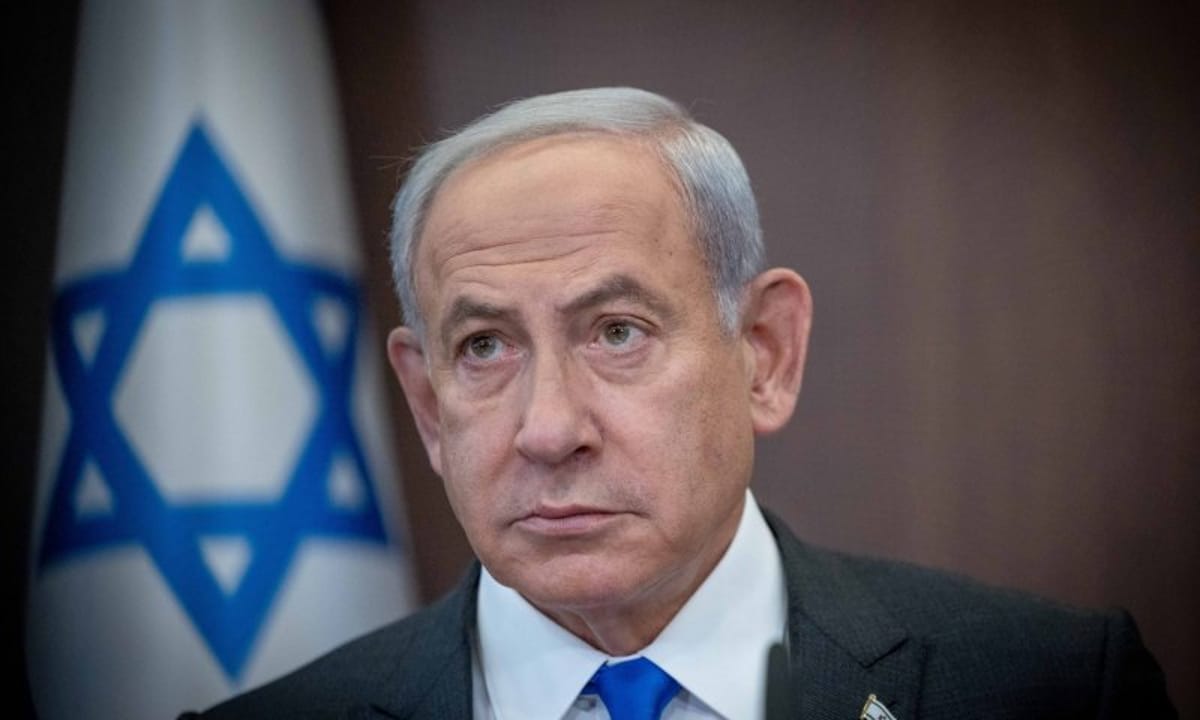
A serious and sobering assessment of Israel's long term strategic position was presented during the latest closed door session of the Political Security Cabinet. According to internal details leaked from the confidential discussion, Prime Minister Benjamin Netanyahu delivered an explicit warning to his government regarding the shifting dynamics of international diplomacy and the complex nature of the alliance with Washington. The prime minister emphasized that while the state values its global partnerships, the defense establishment must immediately prepare for an era of total self reliance.
Netanyahu informed the assembled ministers that the state could inevitably reach a critical juncture where it is forced to manage the ongoing regional war against the Iranian regime completely independently, devoid of standard American diplomatic or military shielding. The prime minister did not gloss over the severe consequences of such a development, stating plainly that an isolated campaign against Tehran would carry immense national costs. He specifically cited the immediate threats of total international isolation, unprecedented diplomatic boycotts, and severe structural shortages in advanced munitions and sophisticated weapon systems.
Despite the grim nature of the briefing, the prime minister sought to instill a sense of absolute national resilience and operational readiness among the political leadership. He stated that while the government has no desire to reach a state of total isolation, it possesses the inner strength and industrial capability to survive and win if that reality materializes. This strategic warning reflects growing anxieties within Jerusalem regarding the long term sustainability of Western military supply lines as the regional war drags into its third consecutive year.
The anxieties of the political echelon were strongly reinforced by Chief of Staff Eyal Zamir, who provided the cabinet with a comprehensive intelligence brief regarding ongoing international backchannel negotiations. Zamir expressed extreme skepticism regarding the various diplomatic frameworks currently being discussed by foreign intermediaries in Europe and the Gulf. The chief of staff stated unequivocally that based on the latest military assessments, almost every single diplomatic agreement currently taking shape on the international stage represents a highly detrimental outcome for the long term security of the state.
The combined warnings from Netanyahu and Chief of Staff Zamir indicate a profound shift in how Jerusalem is evaluating the future of the multi front war. The defense establishment is increasingly operating under the assumption that international pressure may soon restrict the flow of foreign military assistance, necessitating a major reorganization of domestic manufacturing and a more conservative management of existing missile stockpiles. As the state prepares for the possibility of independent action, the focus remains squarely on maximizing domestic defense production to withstand a prolonged, isolated conflict against the Iranian axis.