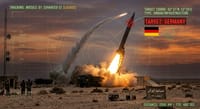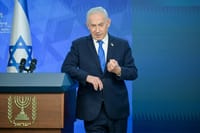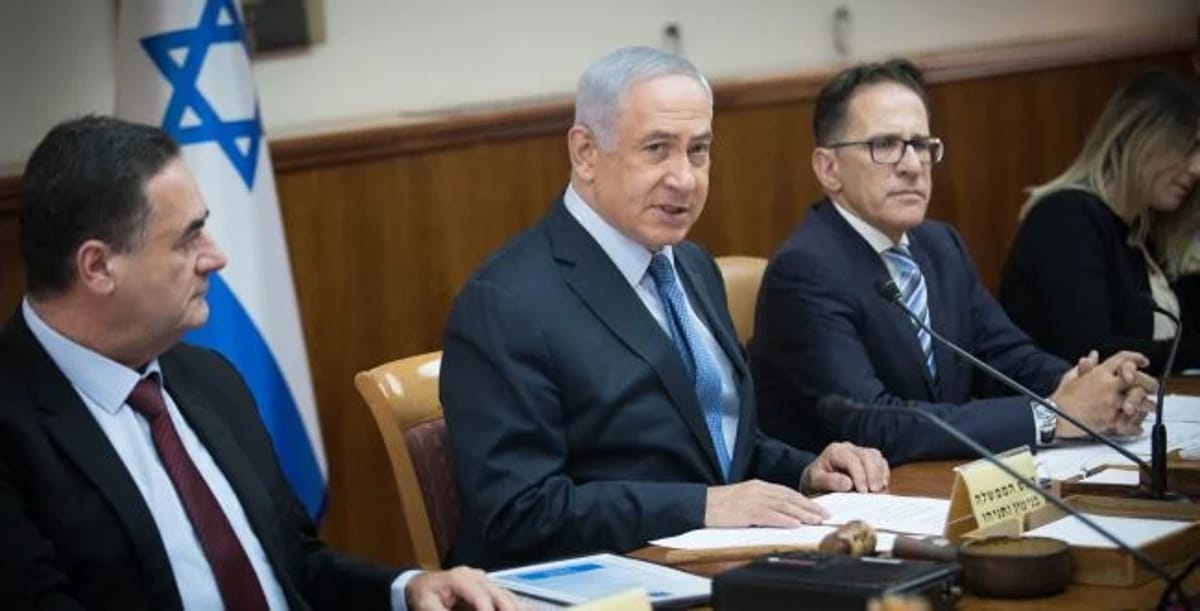
Israeli Prime Minister Benjamin Netanyahu called an emergency meeting of the security cabinet, scheduling a rare Friday session amid intelligence reports indicating heightened readiness for regional escalation. The urgent consultation follows updated evaluations from Western intelligence agencies suggesting a possible shift in Tehran's operational strategy toward Israel. Intelligence analysts indicate that Iranian leadership may attempt to initiate direct military action against Israeli targets rather than relying exclusively on proxy networks.
Security assessments published by Ynet correspondent Nadav Eyal highlight Tehran's expectation that Israel prefers to avoid re-entering a full scale military campaign at this time. Furthermore, Iranian strategists are reportedly seeking to exploit diplomatic friction between Jerusalem and Washington to create tactical operational advantages.
In response to the intelligence assessments, Defense Minister Israel Katz issued a stern statement warning Tehran against initiating strikes. "We are prepared for every possibility," Katz stated, adding, "If Iran attacks Israel, it will suffer a crushing blow".
The cabinet meeting coincides with public statements from US President Donald Trump, who informed reporter Barak Ravid that he is nearing a decision regarding a massive military campaign against Iran. Trump stated that the United States is fully prepared for an expanded offensive, noting that Israeli forces could integrate into operations immediately if requested, though Washington maintains the capacity to act independently.
Concurrently, US Central Command executed another wave of strikes against Iranian military targets. Operations included targeting naval assets, missile and drone storage units, coastal radar systems, and air defense infrastructure. American forces also bombed the Shalamcheh border crossing linking Iran's Khuzestan province with southern Iraq, representing a direct strike on Iranian sovereign transit infrastructure.
The upcoming security cabinet session will focus on establishing Israel's operational roadmap to counter potential calculated risks taken by Tehran. Defense leadership aims to ensure immediate reactive and preemptive capabilities to prevent Iranian forces from exploiting perceived political or military vulnerabilities.